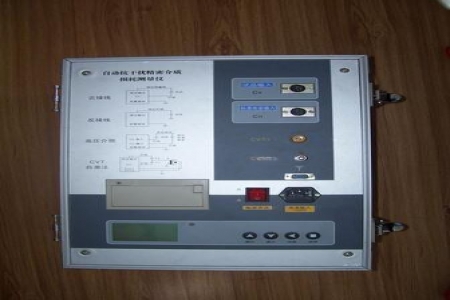
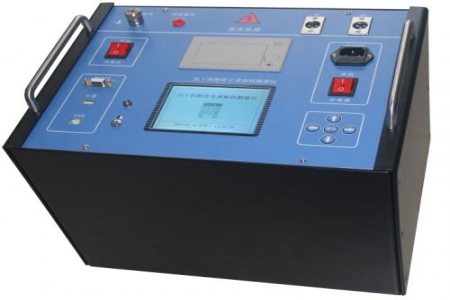
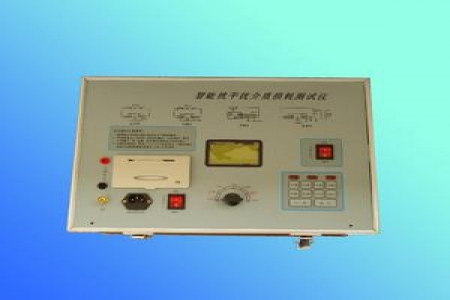
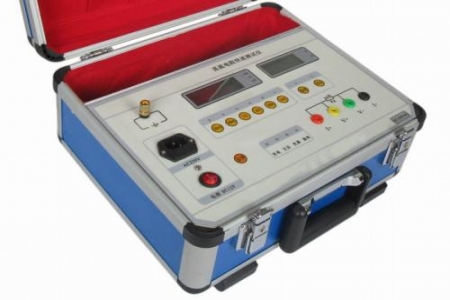
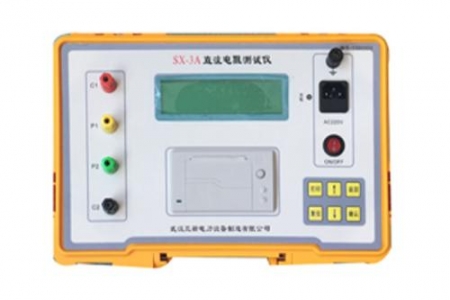
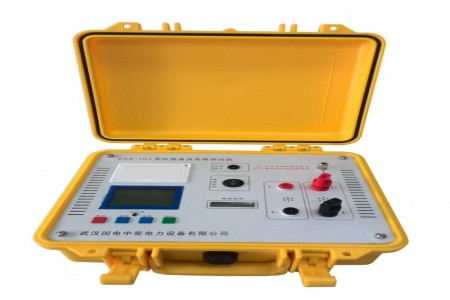
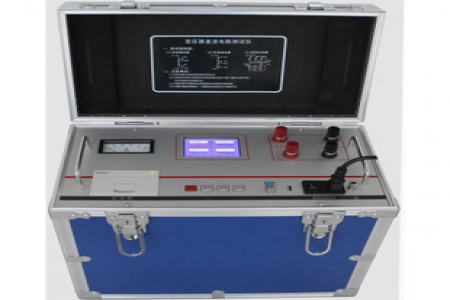
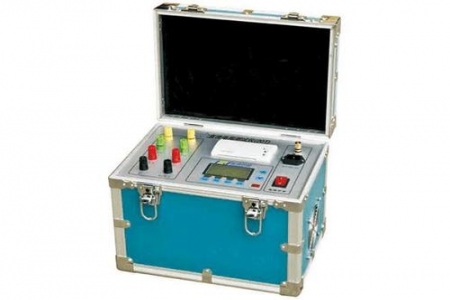
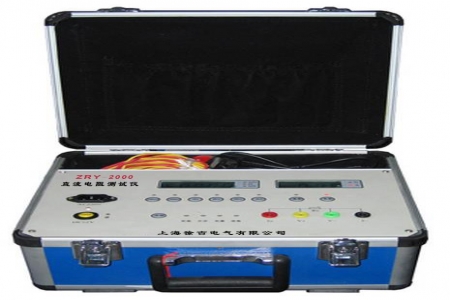
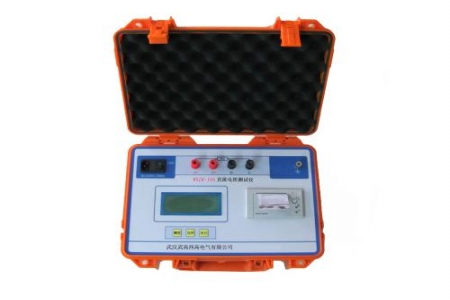
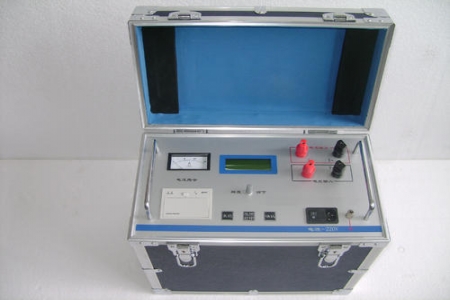
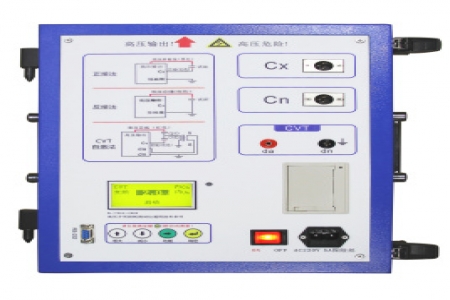
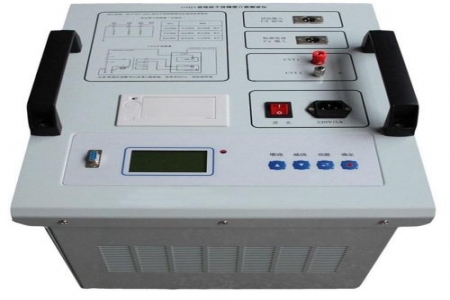
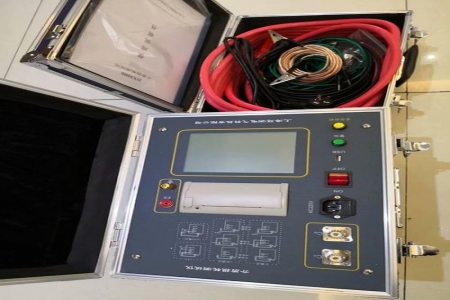
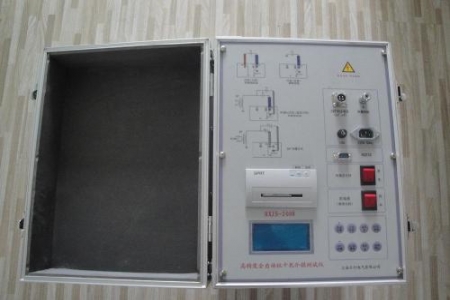
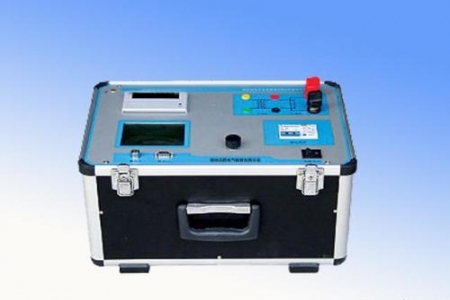
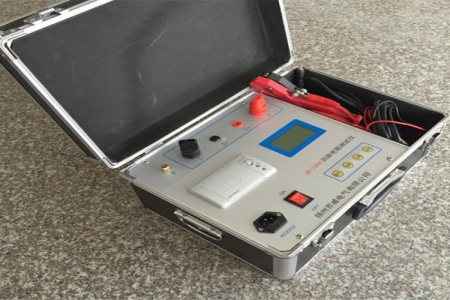
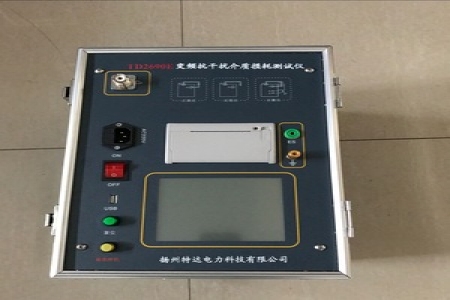
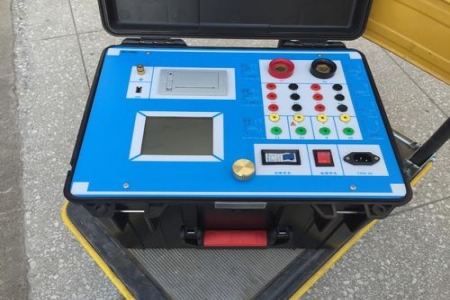
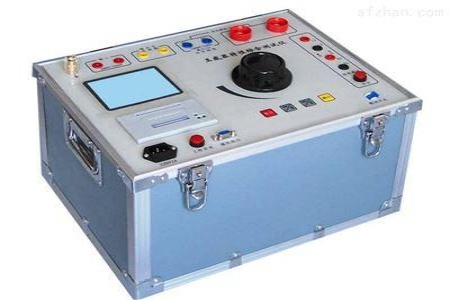
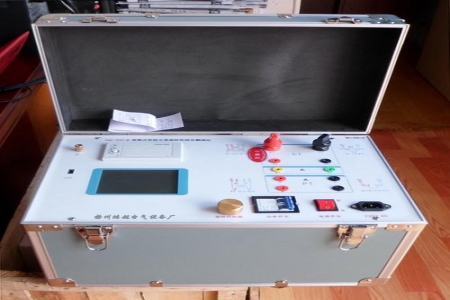
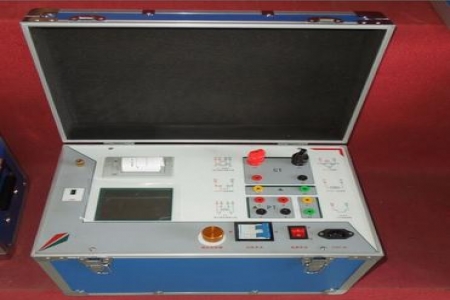
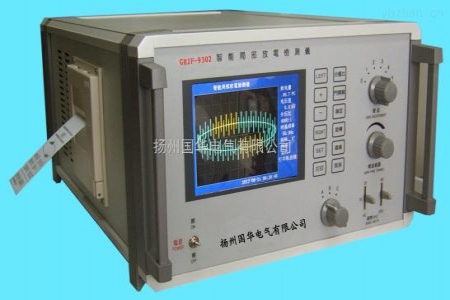
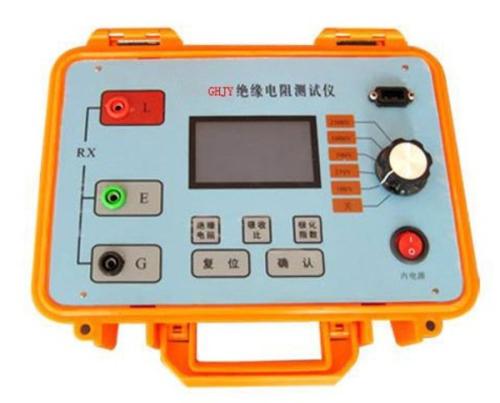
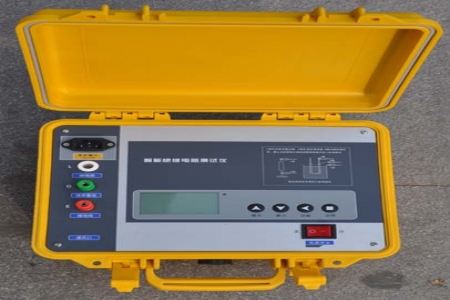
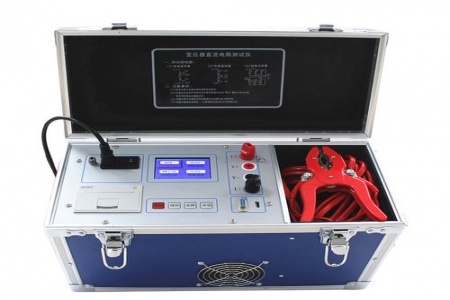
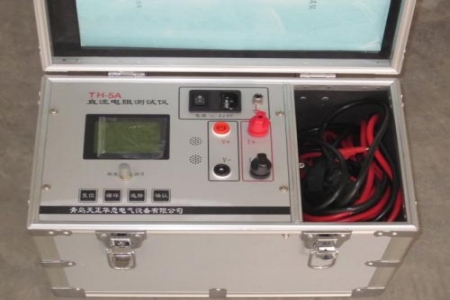
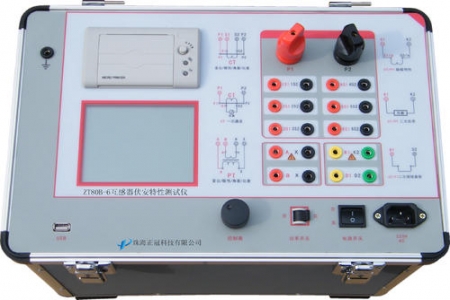
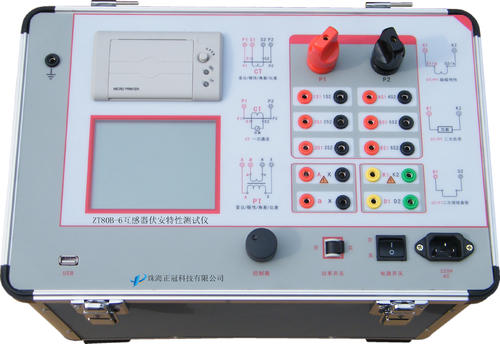
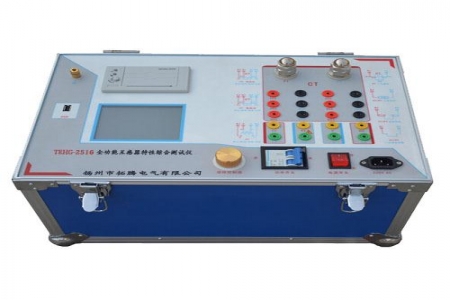
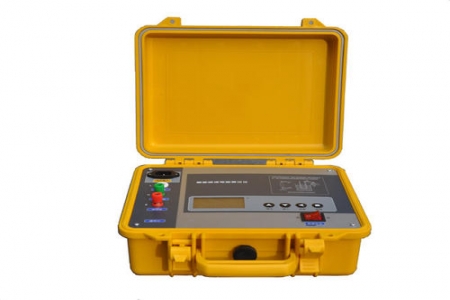
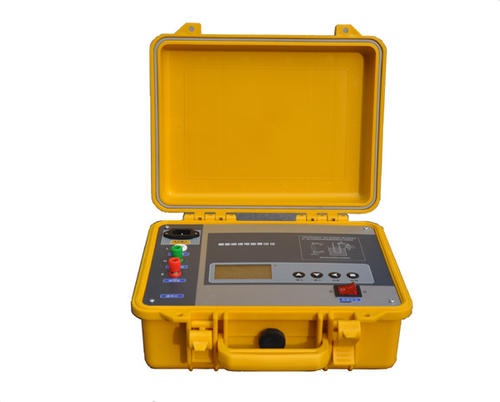
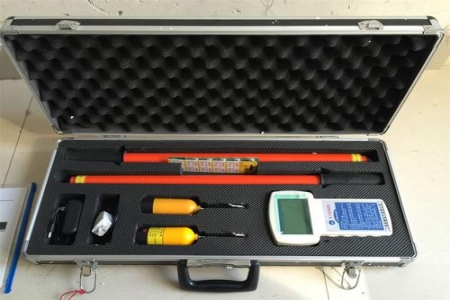
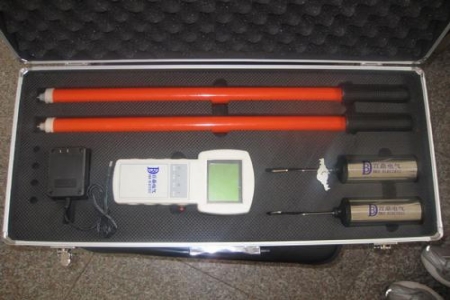
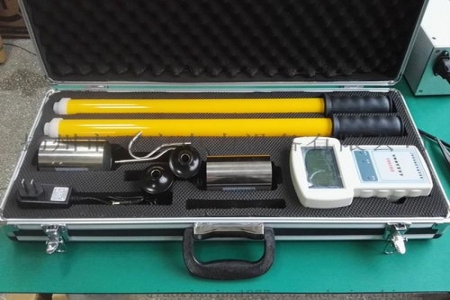
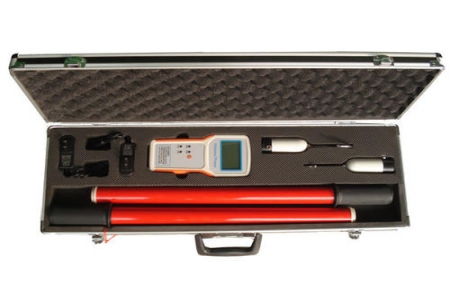
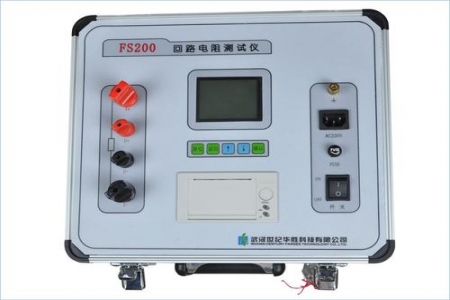
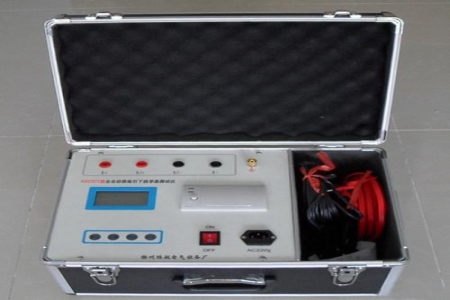
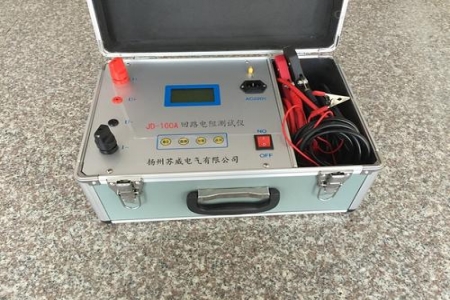
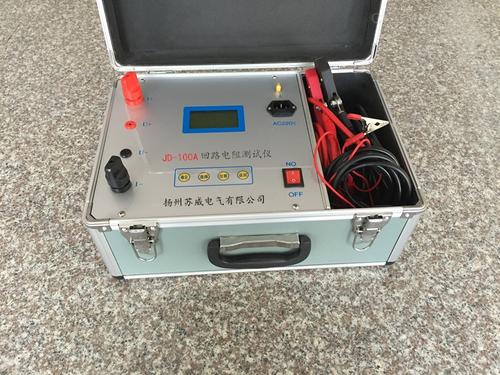
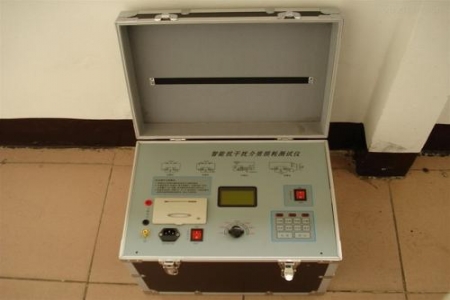
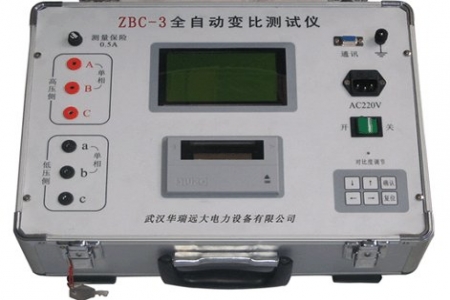
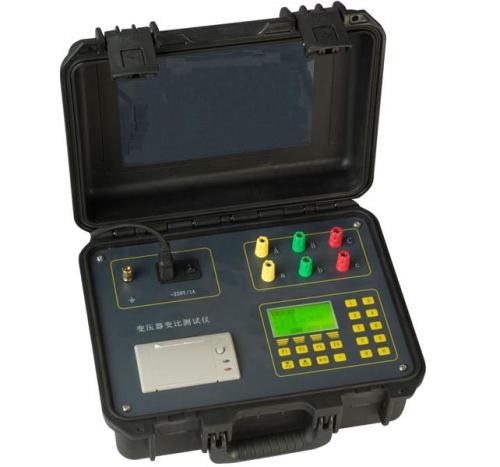
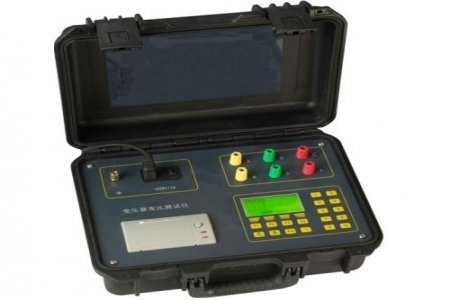
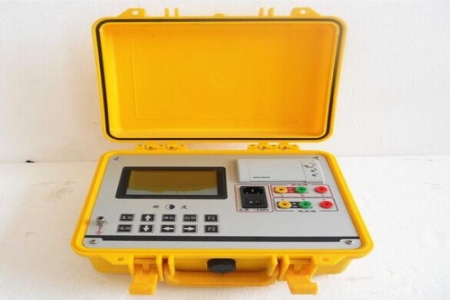
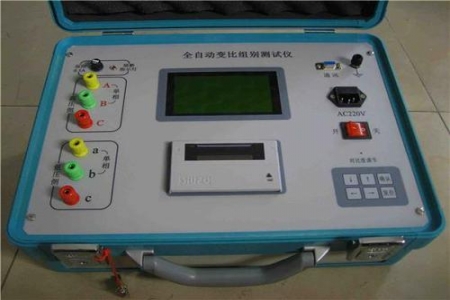
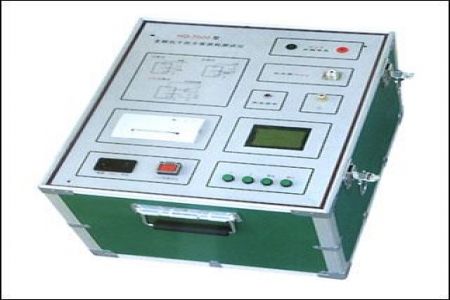
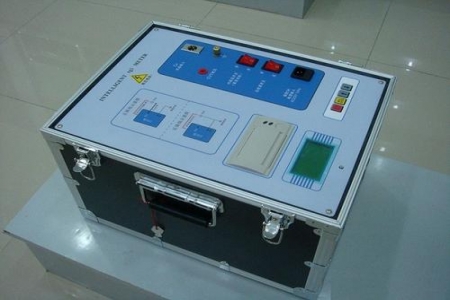
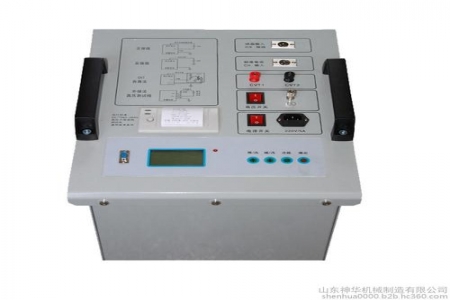
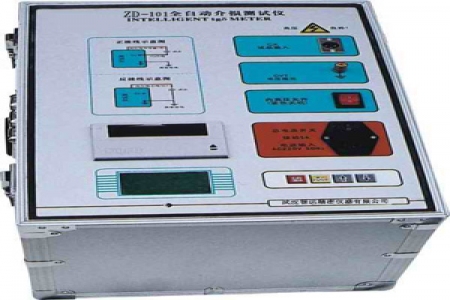
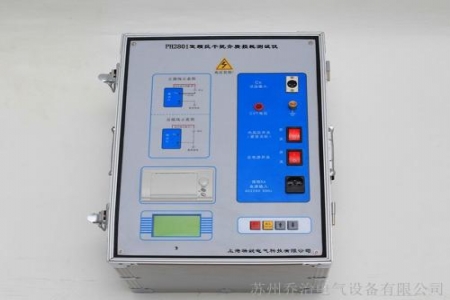
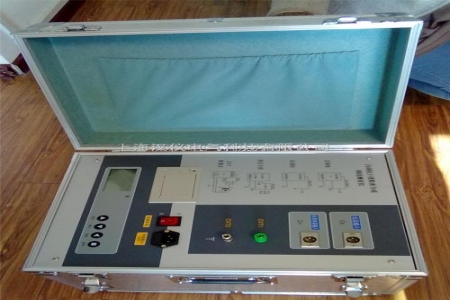
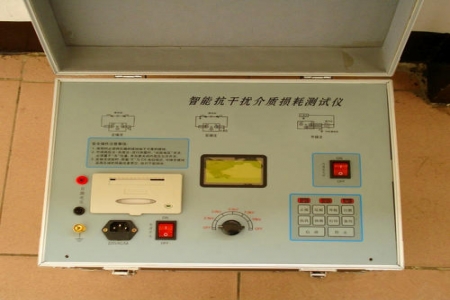
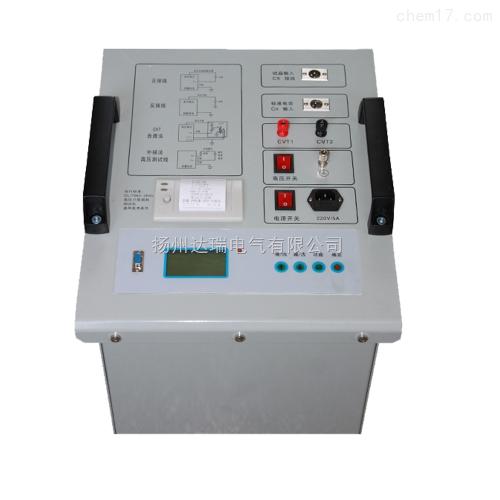
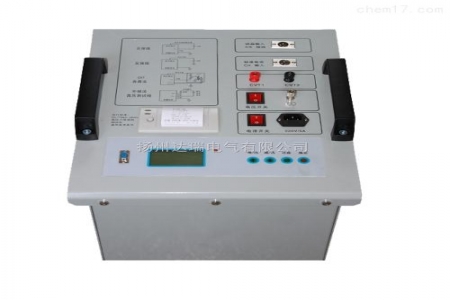
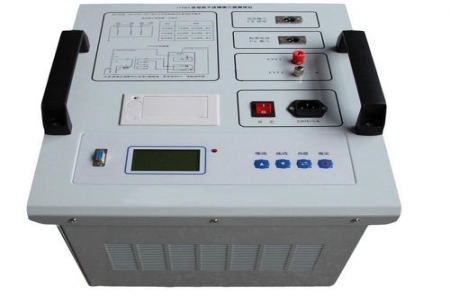
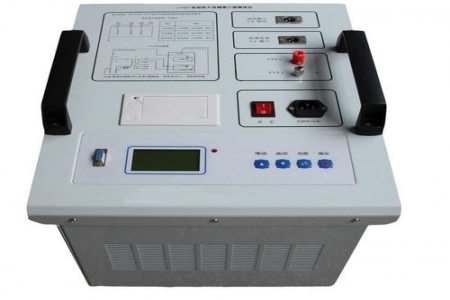
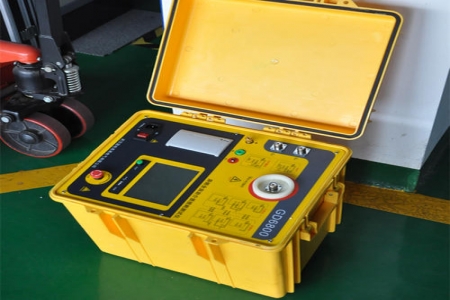
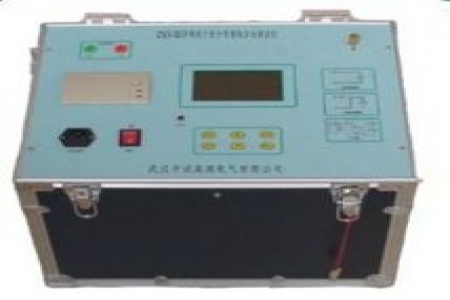
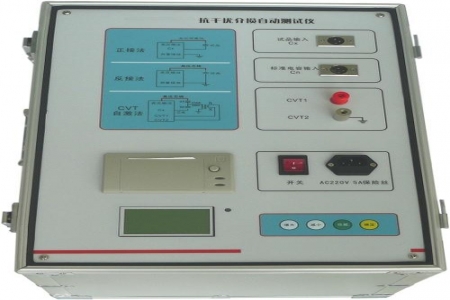
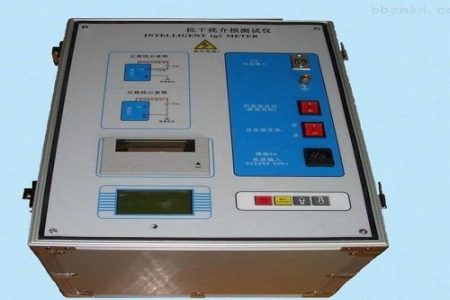
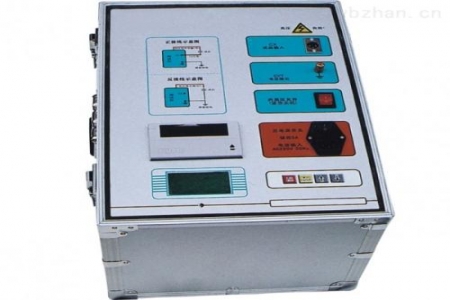
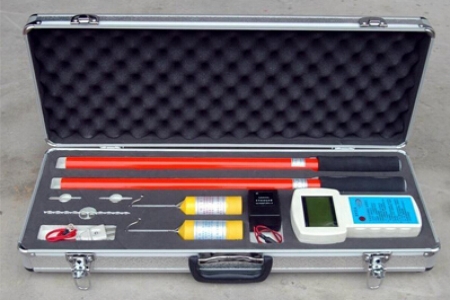
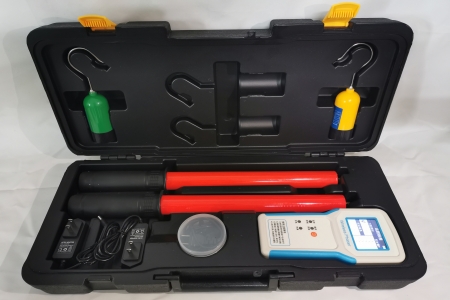
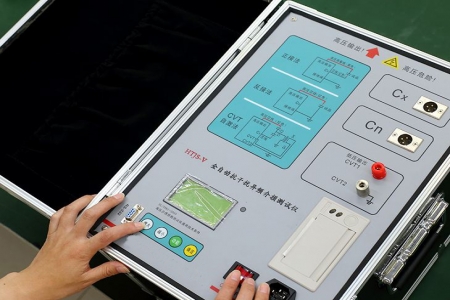
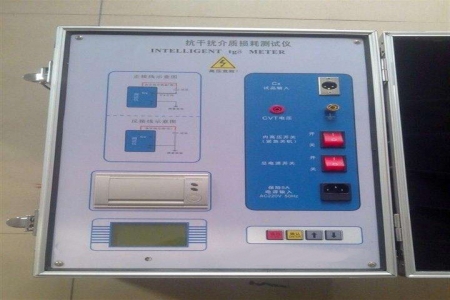
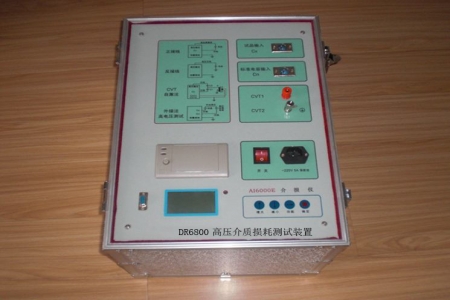
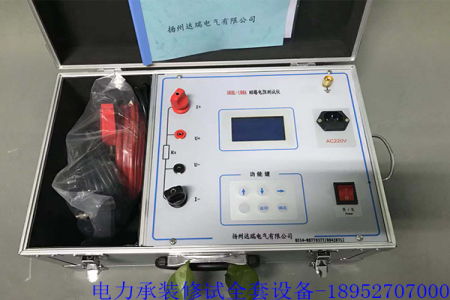
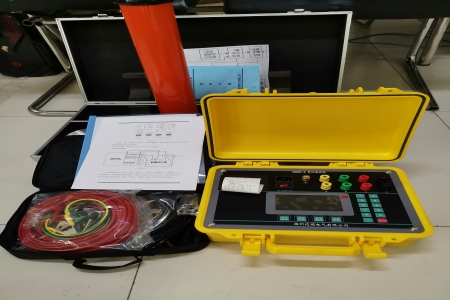
In power systems, transformer ratio testing is an essential step, primarily used for: Factory and handover acceptance: Verifying whether the winding turns ratio of newly produced or installed transformers is accurate. Fault diagnosis: Determining whether the transformer has serious defects such as inter-turn short circuits, winding deformation, poor tap changer contact, or connection errors.
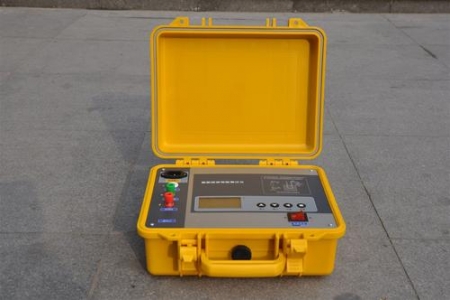
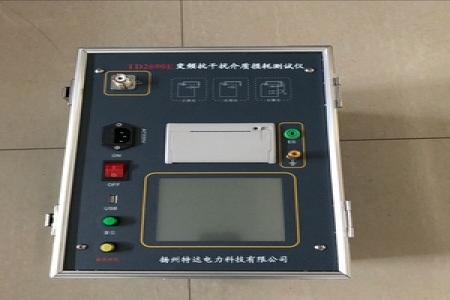
The basic working principle of a Transformer Ratio Tester is to apply a known voltage to one side of the transformer (usually the high-voltage side), then measure the output voltage on the other side (low-voltage side) to calculate the transformer turns ratio. The main steps are as follows:
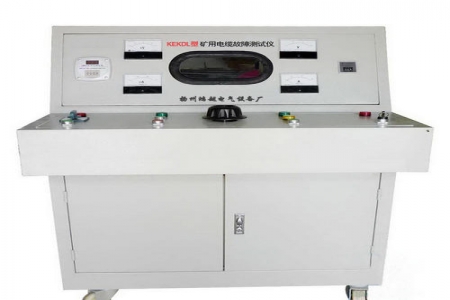
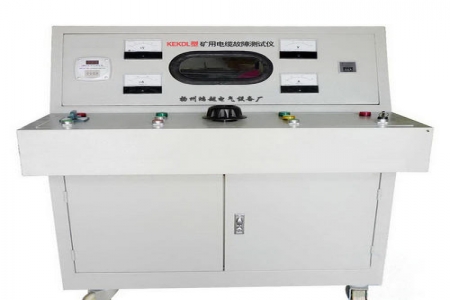
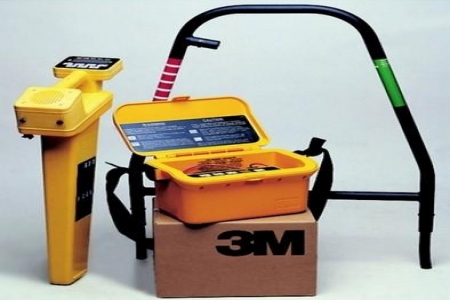
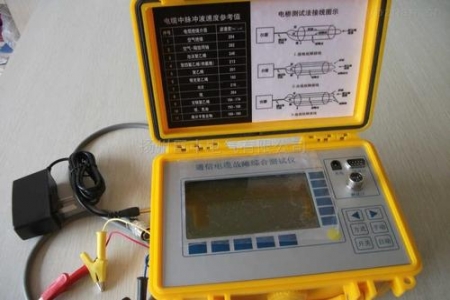
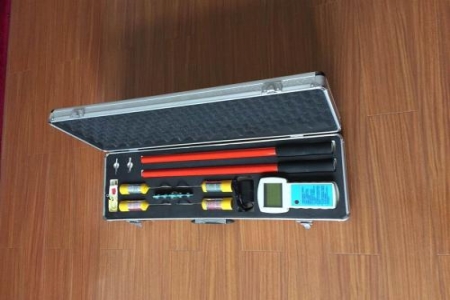
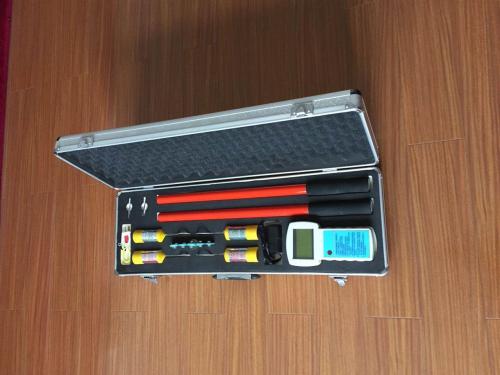
Cables are an important component of modern power systems and communication networks, and cable faults can lead to power supply interruptions or communication disruptions. The Cable Fault Tester is an efficient and precise tool that helps technicians quickly locate fault points, reducing downtime and maintenance costs.