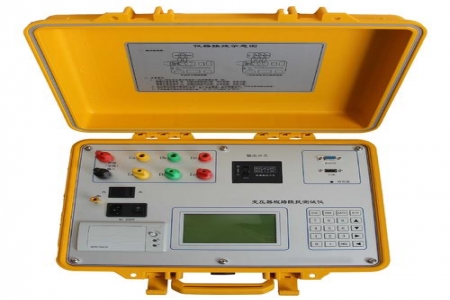
The Role of High-Voltage Wireless Phase Detectors
High-Voltage Wireless Phase Detectors are primarily used in the following areas:
Phase Verification: Verifying whether the phases of two or more high-voltage lines are consistent, which is particularly important for grid connection operations.
Fault Diagnosis: Assisting technicians in locating power system faults caused by phase mismatches.
Construction Acceptance: Ensuring correct phase sequence as part of the acceptance process when building or renovating power lines.
Working Principle
High-Voltage Wireless Phase Detectors typically use wireless communication technology, with sensors placed at both ends of high-voltage lines, then transmit signals wirelessly to a receiver for comparison. Specifically:
Signal Acquisition: Signal acquisition devices are installed at both ends of the high-voltage line, capable of sensing the voltage waveform in the lines.
Data Transmission: The collected signals are sent wirelessly to a receiver or control terminal.
Phase Comparison: The receiver or terminal device compares the phase angles of the signals at both ends to determine whether they are consistent.
Main Functions and Features
Wireless Operation: No physical connections are required, reducing the risk of contacting live equipment associated with traditional phase detectors.
High-Precision Detection: Capable of accurately detecting phase differences, with precision typically reaching 0.1°.
Long-Distance Communication: Signal transmission can be performed over relatively long distances, suitable for high-voltage line detection in complex terrain.
Multi-Purpose Application: In addition to phase detection, it can also be used to measure other electrical parameters such as voltage and frequency.
Safe and Reliable: As a non-contact measurement method, it reduces the risk of direct contact with high-voltage lines.
Usage Scenarios
High-Voltage Wireless Phase Detectors are widely used in various aspects of power systems:
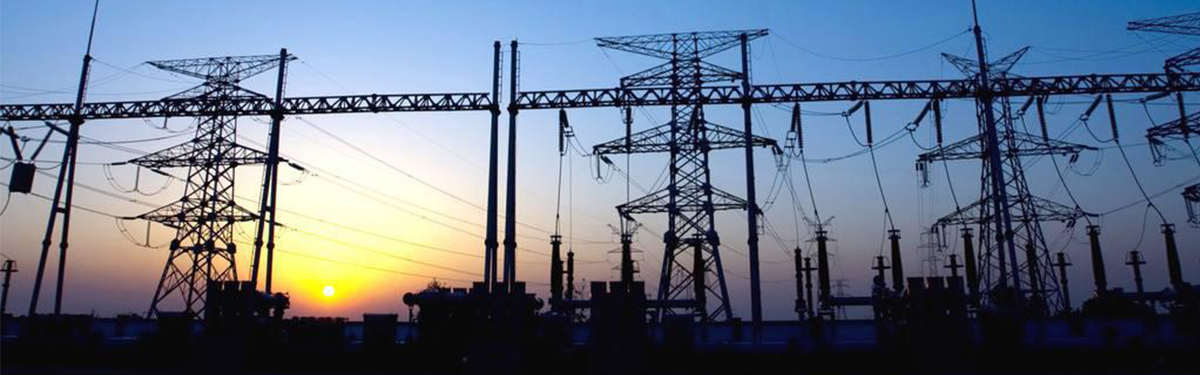
Substation Construction and Maintenance: When building new substations or expanding existing ones, ensuring that power from different sources can be smoothly connected to the grid.
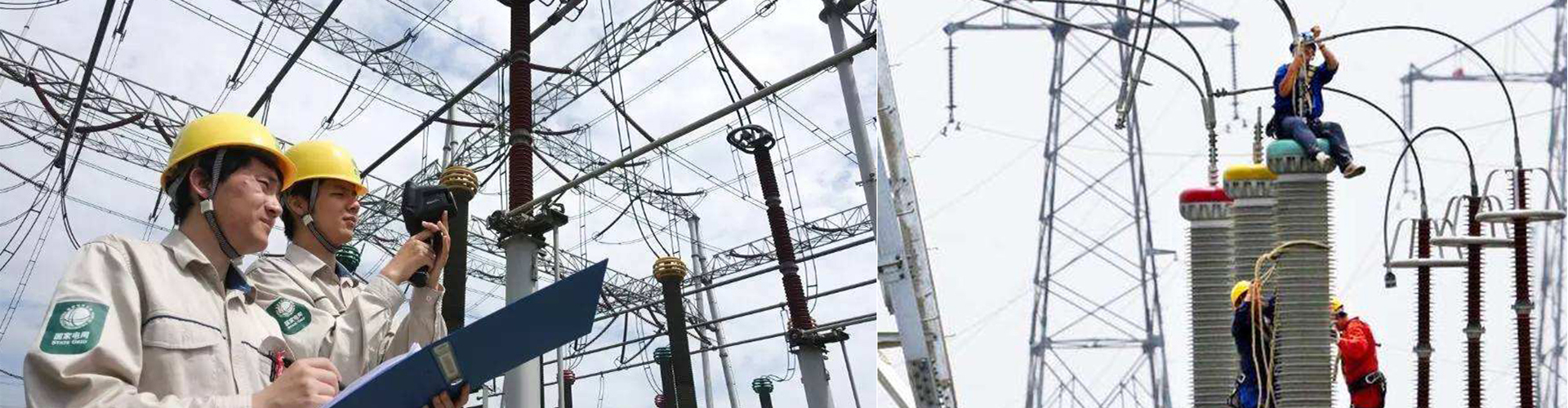
Power Line Maintenance: During line repair or renovation, verifying whether phase relationships meet requirements.
Emergency Repair: Quickly locating phase mismatch issues in emergency situations and taking timely measures to restore power supply.
Usage Method
Preparation: Ensure the instrument is fully charged and in good condition.
Install Sensors: Secure the sensors at both ends of the high-voltage line to be tested.
Start the Device: Turn on the receiver or control terminal and wait for signal synchronization.
Read Data: Observe the phase difference information on the display to determine whether requirements are met.
Record Results: Record the test results and adjust the phase as needed until matched.
Notes
When using High-Voltage Wireless Phase Detectors, the following points should be noted:
Ensure the instrument complies with relevant safety standards and perform periodic calibration.
Follow all safety operating procedures when installing sensors to avoid the risk of electric shock.
For testing in special environments, select appropriate operating modes and parameter settings.
Record all test data for future analysis and archiving.
High-Voltage Wireless Phase Detectors play an important role in power engineering due to their high efficiency and safety, serving as indispensable tools for the safe operation of power systems. If you have any specific questions or need further information, please feel free to contact us.