Cable Fault Tester: Principle and Applications
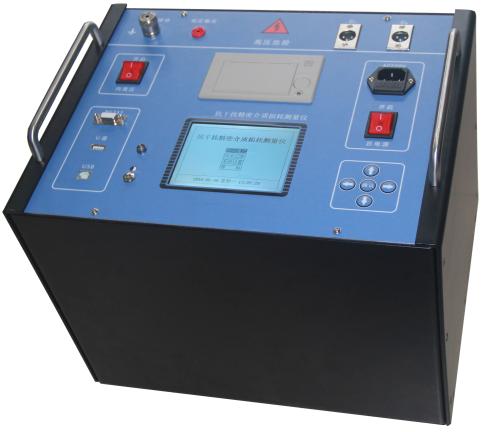
The Cable Fault Tester is a precision electronic device specifically designed for detecting and locating cable faults. It helps technicians quickly find various types of faults in cables, such as broken wires, short circuits, grounding, and insulation damage. Below is an article overview about Cable Fault Testers:
Cable Fault Tester: Principle and Applications
1. Introduction
Cables are an important component of modern power systems and communication networks, and cable faults can lead to power supply interruptions or communication disruptions. The Cable Fault Tester is an efficient and precise tool that helps technicians quickly locate fault points, reducing downtime and maintenance costs.
2. Principle
Low-Voltage Pulse Method: Suitable for low-resistance faults and broken wire faults. A low-voltage pulse signal is sent into the cable, and the fault location is calculated based on the delay time and intensity of the reflected signal.
High-Voltage Flashover Method: Targets high-resistance faults and flashover faults. First, use low-voltage pulses to determine the approximate location, then use high-voltage pulses to cause flashover at the fault point, capturing the reflected waveform during flashover for precise localization.
3. Testing Methods
Pre-Testing: Use a megohmmeter or multimeter to preliminarily determine the fault nature.
Parameter Setting: Set test parameters based on cable type and expected fault conditions.
Signal Transmission: Send pulse signals into the cable.
Waveform Acquisition: Record the waveform of the reflected signal.
Data Analysis: Determine the fault point location through waveform analysis.
4. Functional Features
Intelligent Operation: Microprocessor-based control for automated testing processes.
Waveform Display: Displays test waveforms on an LCD screen for convenient and intuitive analysis.
Data Storage: Capable of storing multiple test waveforms for convenient comparative analysis.
Remote Communication: Capable of communicating with a computer for remote monitoring and data analysis.
5. Usage Steps
Battery Check: Confirm the tester has sufficient battery power.
Power On: Enter the test system setup interface.
Parameter Setting: Set test parameters based on cable conditions.
Signal Acquisition: Connect the test leads to both ends of the cable and click the “Sampling” button for signal acquisition.
Waveform Analysis: Adjust parameters based on on-screen waveforms until the fault point is clearly displayed.
Fault Localization: Calculate the distance to the fault point based on the waveform.
6. Application Areas
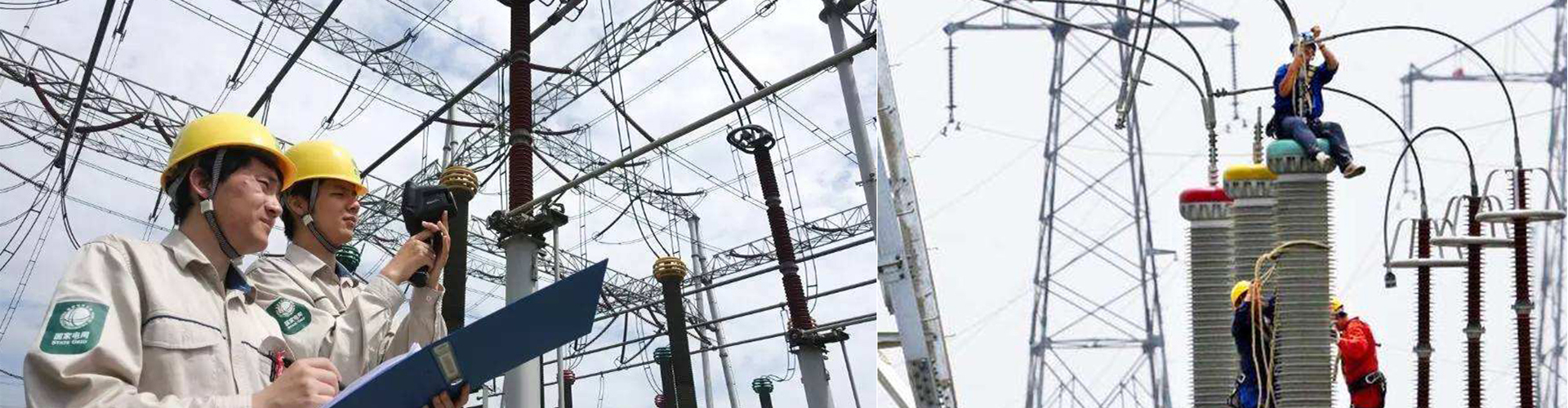
Power Systems: Power grid maintenance and fault diagnosis.
Communication Networks: Fiber optic and cable line maintenance.
Industrial Facilities: Cable system maintenance within factories.
Rail Transit: Subway and railway cable fault detection.
7. Technological Development
With technological advancement, new types of Cable Fault Testers continue to emerge, such as products integrating GPS positioning and wireless data transmission, improving the accuracy and efficiency of fault localization.
8. Conclusion
The Cable Fault Tester is one of the key tools for ensuring the stable operation of cable systems. Through advanced testing technology and intelligent operating interfaces, it greatly enhances the efficiency and accuracy of cable maintenance work.
The above content provides a comprehensive overview of Cable Fault Testers. If you need more detailed information or an in-depth discussion on specific aspects, please let us know.