Overview of Loop Resistance Testers
Technical content regarding power testing equipment. [Article 47]
Main Functions of Loop Resistance Testers
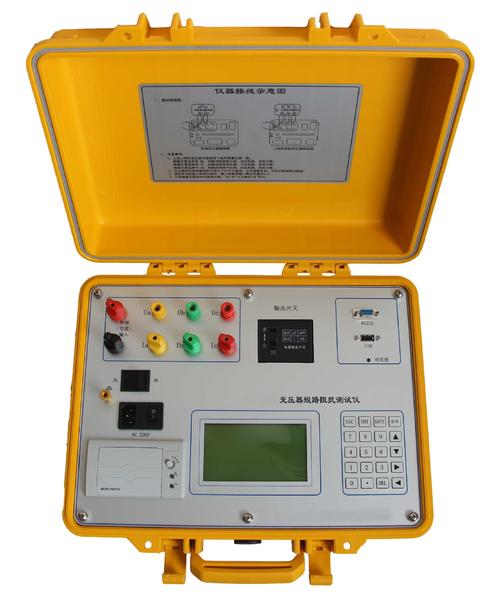
Precise Measurement: Provides high-precision resistance measurement results, typically reaching the micro-ohm (μΩ) level.
High Current Output: To obtain accurate measurement results, many loop resistance testers can output high currents of up to several hundred amperes to simulate the current environment under actual working conditions.
Portable Design: Considering the needs of on-site work, modern loop resistance testers are often designed to be very compact and lightweight, easy to carry to different test locations.
Data Recording and Analysis: Some advanced models also feature data storage and transmission functions, allowing users to save test results and perform further data analysis through software.
Working Principle
Technical content regarding power testing equipment. [Article 47]
Application Areas
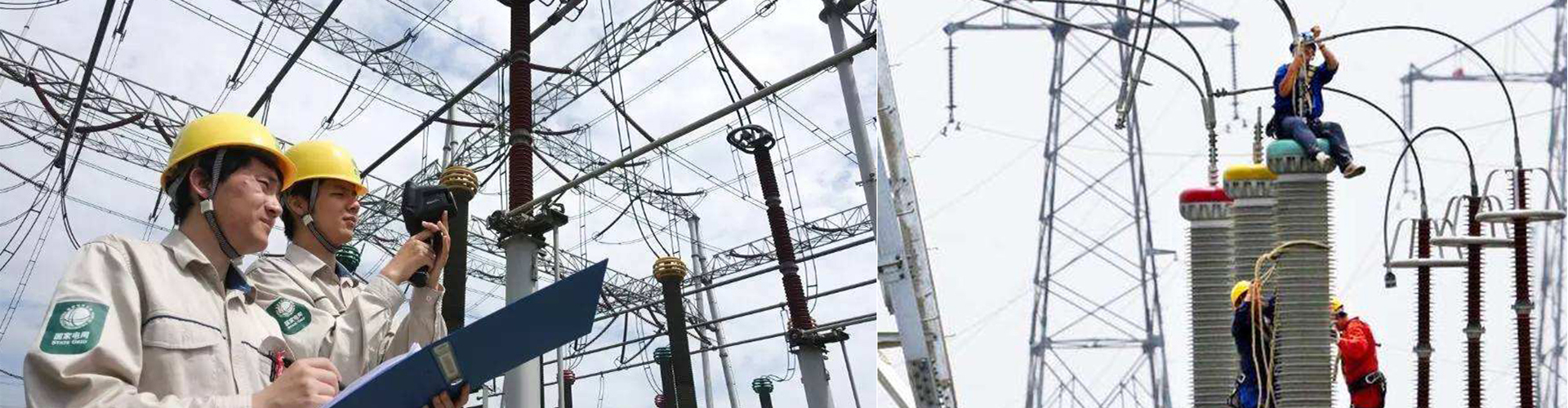
Power System Maintenance: Regularly tests the contact resistance of high-voltage switchgear, transformer joints, and other components to ensure the safe and stable operation of power systems.
Manufacturing and Quality Control: During the production of electrical equipment, loop resistance testers are used for quality inspection to ensure product performance meets standard requirements.
Scientific Research: In laboratory environments, studies the conductivity of materials or the resistance characteristics of new electrical components.
Conclusion
Technical content regarding power testing equipment. [Article 47]