The Importance of Insulation Resistance Testing
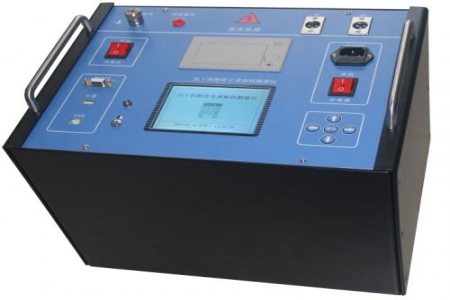
The Insulation Resistance Tester, also known as a Megohmmeter, is a professional tool used for measuring the resistance value of insulation materials in electrical equipment or circuits. This testing is crucial for ensuring the safety of electrical systems, as it can detect potential insulation problems and prevent electrical faults and safety accidents. The following is a detailed introduction to Insulation Resistance Testers.
The Importance of Insulation Resistance Testing
Insulation resistance testing is primarily used to evaluate the quality of insulation materials inside and outside electrical equipment. By applying a known voltage and measuring the tiny current flowing through the insulator, the insulation resistance value is calculated. This value reflects the performance state of the insulation material under specific conditions. Regular insulation resistance testing helps identify issues such as aging, damage, or moisture ingress, allowing for appropriate maintenance measures to ensure safe equipment operation.
Testing Principles and Methods
Insulation resistance testing is based on Ohm's Law
I is the current flowing through the insulator. During testing, the Insulation Resistance Tester applies a DC voltage within a certain range (such as 50V to 10kV, depending on the specific application) across the test object and then measures the resulting leakage current to determine the insulation resistance value.
The basic steps include:
Preparation: Ensure the equipment under test has been de-energized and completely isolated from the power system.
Connecting Test Leads: Connect one end of the tester to one electrode of the test object, and the other end to ground or another electrode.
Selecting Appropriate Voltage Level: Choose the appropriate test voltage based on the rated voltage of the equipment under test and manufacturer recommendations.
Executing the Test: Start the tester and record the displayed insulation resistance value.
Analyzing Results: Compare against standards or historical data to determine whether the insulation condition is satisfactory.
Features of Insulation Resistance Testers
Multiple Voltage Selection: Provides various voltage options to accommodate different types of electrical equipment.
Automatic Discharge Function: Automatically discharges the test object after testing is completed to protect user safety.
Data Storage and Transfer: Some models support saving and transferring test data for subsequent analysis.
High-Precision Measurement: Utilizes advanced electronic technology to achieve high-precision resistance measurement.
Application Scenarios
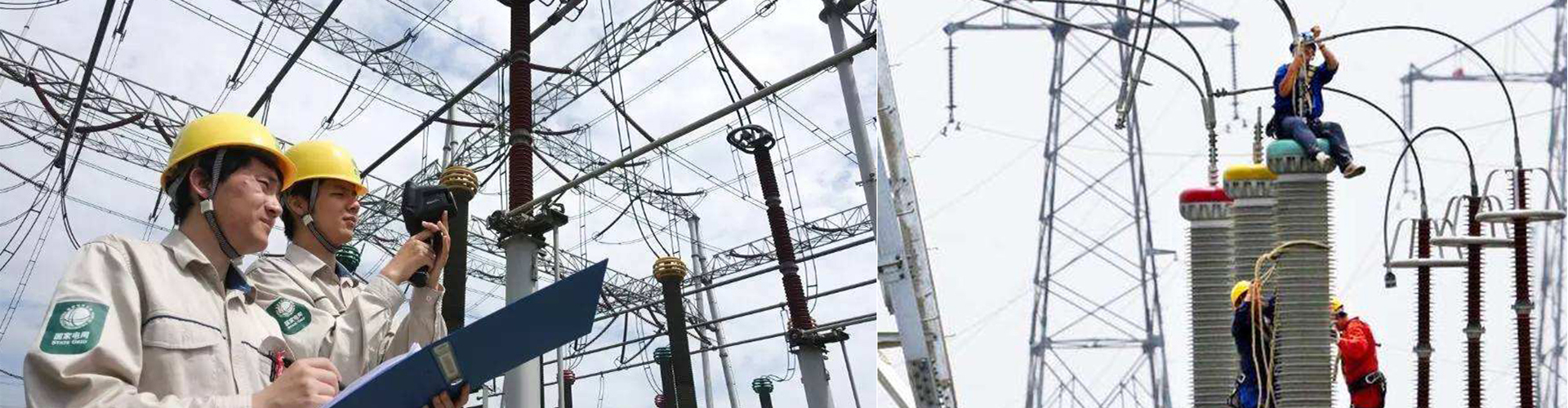
Power Industry: Used for periodic inspection of critical facilities such as substations and transmission and distribution lines.
Manufacturing: Ensures that the electrical components of production equipment are in good condition to prevent production interruptions.
Construction Sector: Newly installed electrical devices must undergo insulation testing before being put into service.
Maintenance Services: Serves as a diagnostic tool to help technicians quickly locate and resolve issues.
Notes
Following Safety Regulations: Before operation, ensure understanding of all relevant safety guidelines to avoid the risk of electric shock.
Properly Selecting Test Voltage: Choose the appropriate voltage level based on the specific requirements of the equipment under test.
Considering Environmental Impact: Humidity and temperature may affect insulation resistance values; testing should be conducted under suitable conditions.
Instrument Calibration: Periodically calibrate the tester to ensure measurement accuracy.
In summary, the Insulation Resistance Tester is an important tool for ensuring the safety and reliability of electrical systems. It can not only effectively prevent various accidents caused by insulation failure but also extend the service life of electrical equipment and reduce maintenance costs. Properly using and maintaining these testing devices is critically important for every organization and individual involved in electrical work.