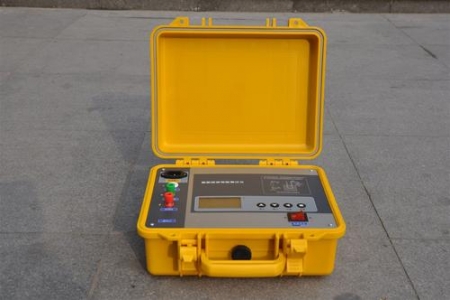
Loop resistance testers can provide highly accurate resistance measurement results
Technical content regarding power testing equipment. [Article 48]
Main Functions and Features
Technical content regarding power testing equipment. [Article 48]
High Current Output: To overcome the effects of contact resistance and lead resistance, many loop resistance testers can output high currents of up to several hundred amperes, thereby obtaining more accurate measurement results.
Fast Measurement: Uses advanced measurement technology to complete resistance value measurements in a short time, improving work efficiency.
Portability: Modern loop resistance testers feature compact design and light weight, making them easy to carry to the site for testing work.
Application Scenarios
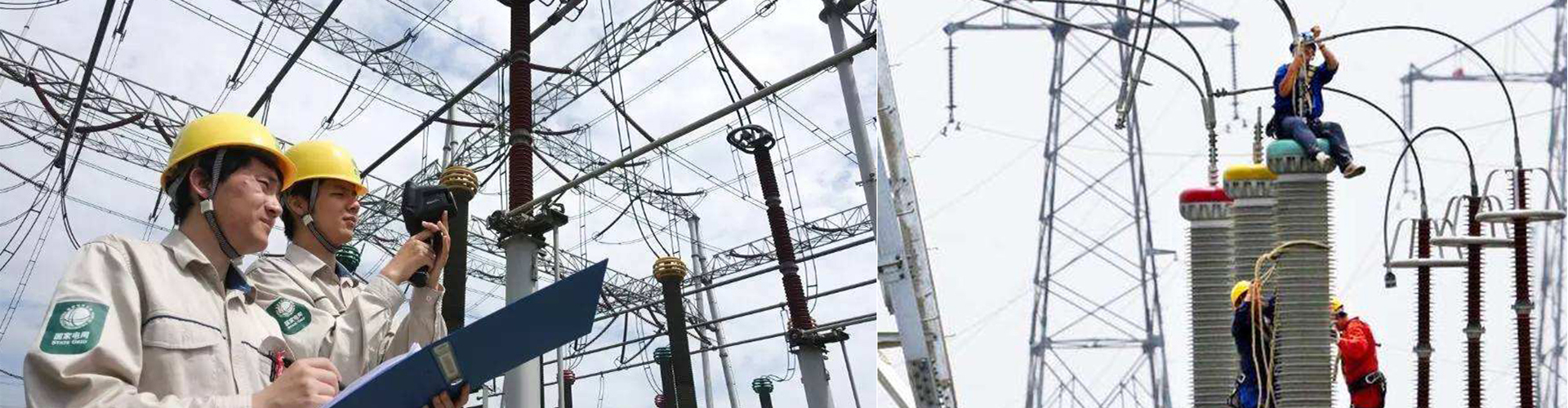
Power Transformer Maintenance: Regularly measuring the DC resistance of transformer windings is one of the important steps in assessing their condition, helping to detect issues such as broken strands or poor contact in windings.
Switchgear Inspection: Performs contact resistance testing on key components such as circuit breakers and disconnect switches inside high-voltage switchgear to ensure good contact and avoid overheating caused by poor contact.
Cable Joint Testing: After installing or repairing cables, uses loop resistance testers to verify joint quality and ensure current transmission efficiency.
Motor and Generator Inspection: Determines whether short circuits or open circuits exist by measuring the resistance of motor or generator windings, ensuring normal motor operation.
Importance
Technical content regarding power testing equipment. [Article 48]
Technical content regarding power testing equipment. [Article 48]
Technological Advancements
With technological development, the design of loop resistance testers continues to improve:
Higher Accuracy and Stability: New models provide higher resolution measurement results, allowing even subtle resistance changes to be accurately captured.
Enhanced User Interface: More intuitive operating interface design simplifies operation procedures and reduces training requirements.
Intelligent Data Processing Capability: Built-in intelligent algorithms help quickly identify abnormal patterns and provide diagnostic recommendations, improving work efficiency and accuracy.
Remote Monitoring and Support: Some high-end models support remote monitoring and data uploading via the internet, allowing technicians to access information anytime and anywhere.
Usage Precautions
Proper Model Selection: Choose the appropriate model based on specific testing requirements, considering factors such as voltage level and power.
Follow Safety Procedures: Before performing any test, be sure to familiarize yourself with and strictly follow all relevant safety procedures to ensure operator safety.
Regular Calibration: To ensure the accuracy of test results, loop resistance testers need to be regularly calibrated and maintained.
Technical content regarding power testing equipment. [Article 48]
Technical content regarding power testing equipment. [Article 48]