Introduction to Insulation Resistance Testers
Technical content regarding power testing equipment. [Article 46]
1. Working Principle
Technical content regarding power testing equipment. [Article 46]
2. Main Functions and Features
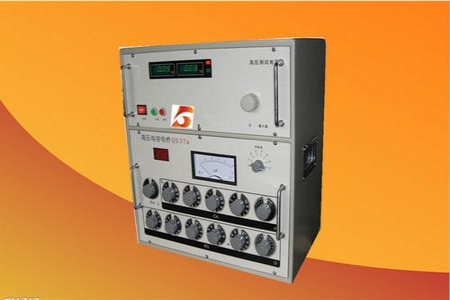
High Voltage Output: Can provide test voltages ranging from hundreds to thousands of volts, adapting to different levels of insulation testing requirements.
Wide Range Measurement: Supports insulation resistance measurement ranges from several megohms to tens of thousands of megohms.
Automatic Discharge Function: Automatically releases the charge in the circuit under test after completion, protecting operator safety.
Data Storage and Transmission: Some advanced models feature data recording and export functions for subsequent analysis and report generation.
III. Application Scenarios
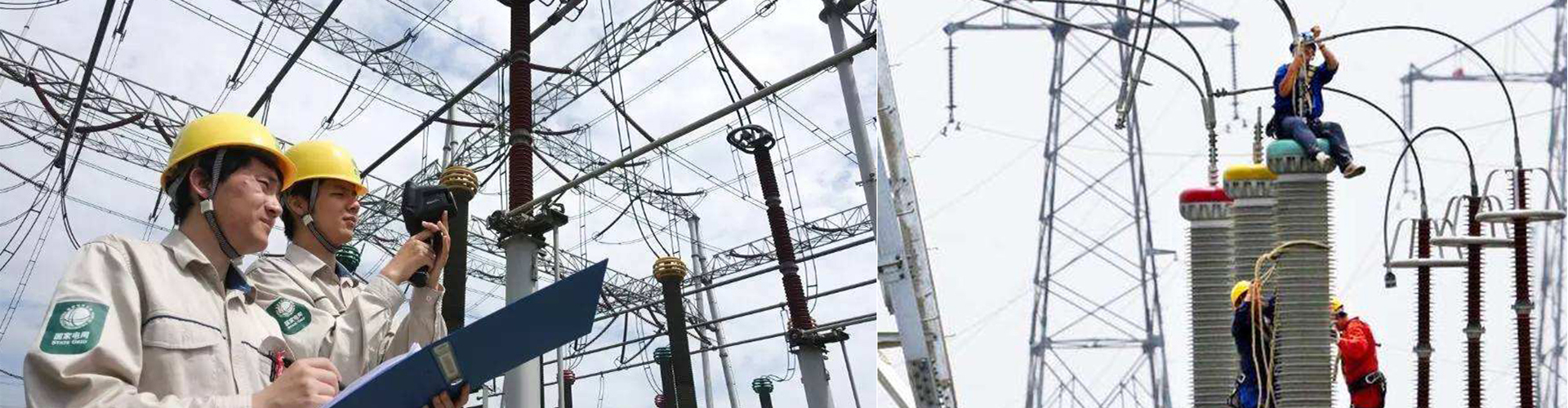
Power System Maintenance and Repair: Regularly checks the insulation condition of transformers, generators, cables, and other high-voltage equipment to ensure normal operation.
Industrial Equipment Testing: Performs insulation testing on electrical equipment such as motors and control cabinets in factories to prevent production disruptions and accidents.
Building Electrical Engineering Acceptance: When new construction or renovation projects are completed, insulation resistance testers are used to verify whether components such as wires and sockets comply with safety standards.
4. Usage Precautions
Select Appropriate Test Voltage: Choose the proper test voltage based on the rated voltage of the test object to avoid damaging the equipment.
Confirm Equipment Power-Off Status: Before performing insulation testing, always ensure the target circuit is completely disconnected from power to prevent electric shock hazards.
Follow Safety Regulations: Wear necessary personal protective equipment during operation and follow the manufacturer operating guidelines.
5. Summary
Technical content regarding power testing equipment. [Article 46]