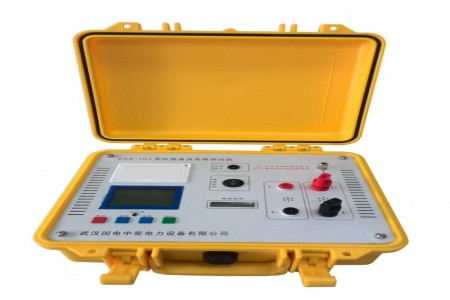
Online Partial Discharge Tester Is an Instrument for Real-Time Monitoring of Electrical Equipment
(such as transformers, cables, switchgear, etc.). Partial discharge is an early fault indicator in the insulation systems of electrical equipment. By monitoring partial discharge activity, potential insulation problems can be detected in a timely manner, preventing equipment failure and ensuring the safe and stable operation of power systems. The following is a detailed introduction to Online Partial Discharge Testers:
Working Principle
Online PD Testers detect partial discharge signals inside electrical equipment, convert them into electrical signals, and analyze them. The main steps are as follows:
Signal Acquisition: Use sensors (such as capacitive, inductive, ultrasonic sensors, etc.) to collect electromagnetic or acoustic signals generated by partial discharge.
Signal Amplification: Amplify the collected weak signals for further processing.
Signal Processing: Process signals through filtering, demodulation, and other techniques to extract useful characteristic information.
Data Analysis: Analyze the processed signals to identify the type, location, and intensity of partial discharge.
Alarm and Recording: Based on analysis results, trigger alarms and record data for subsequent analysis and processing.
Main Functions
Partial Discharge Detection: Real-time monitoring of partial discharge activity inside electrical equipment.
Data Recording: Built-in memory can store a large amount of test data for subsequent analysis.
Alarm Function: When partial discharge activity exceeds preset thresholds, an alarm is triggered to alert maintenance personnel.
Remote Monitoring: Supports remote monitoring of equipment partial discharge conditions through the network, enabling remote management and maintenance.
Multiple Sensors: Supports various types of sensors such as capacitive, inductive, and ultrasonic sensors, adapting to different application scenarios.
Data Analysis: Provides various data analysis tools, such as PRPD and PRPS pattern displays, to help users deeply understand the characteristics of partial discharge.
Protection Functions: Equipped with multiple protection functions to ensure equipment and personnel safety.
Main Features
High Sensitivity: Uses high-sensitivity sensors and advanced signal processing technology to ensure the accuracy of detection results.
Real-Time Monitoring: Supports 24-hour continuous monitoring to detect potential insulation problems in a timely manner.
Portable Design: Some models are designed to be portable for convenient on-site use.
User-Friendly: Provides an intuitive operating interface and rich function menus for user convenience.
Data Visualization: Displays test results through charts and graphical interfaces for easy understanding and analysis.
Application Areas
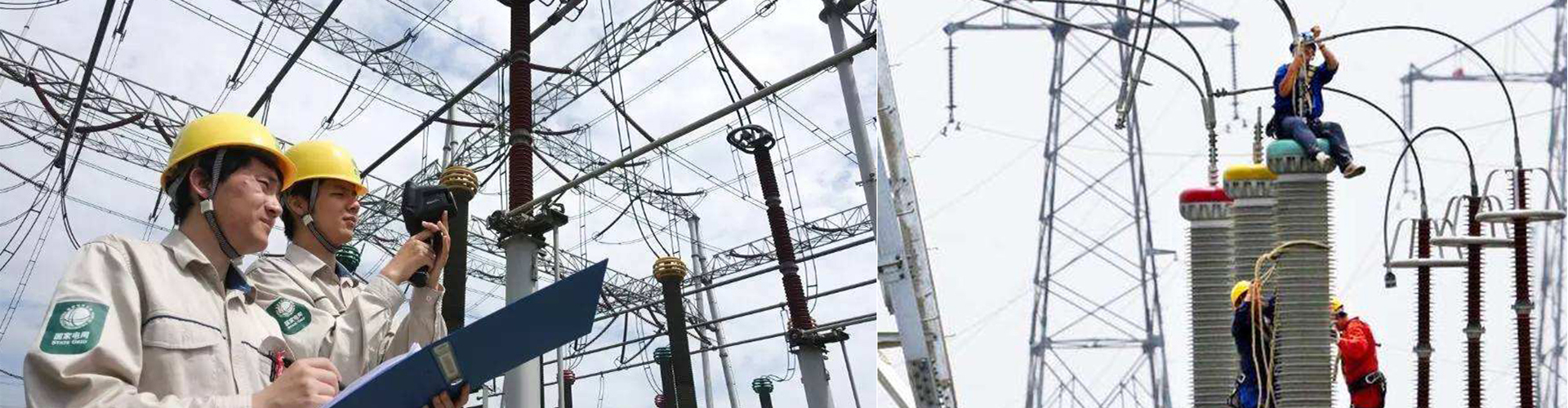
Power Systems: Used for PD monitoring of transformers, cables, switchgear, and other power equipment to ensure the safe and stable operation of power systems.
Electrical Equipment Manufacturing: Used for factory testing of electrical equipment to ensure product insulation performance meets standards.
Electrical Maintenance: Used for equipment repair and fault diagnosis to locate the source of partial discharge.
Scientific Research: Used for partial discharge monitoring in scientific research to validate theoretical models.
Education and Training: Used for teaching and training in electrical engineering to help students understand PD monitoring methods and applications.
Usage Precautions
Safe Operation: Strictly follow equipment manual requirements to ensure personnel and equipment safety.
Environmental Requirements: Use in a dry, well-ventilated environment, avoiding humidity and high temperature.
Periodic Calibration: Periodically calibrate the tester to ensure measurement accuracy.
Sensor Installation: Ensure sensors are installed in the correct position to avoid interference and damage.
Cleaning and Maintenance: Regularly clean the tester probes and connectors to ensure good contact.
Purchase Recommendations
Sensitivity Requirements: Select appropriate sensitivity levels based on actual needs to ensure accurate detection results.
Function Configuration: Select a tester with corresponding functions based on testing requirements, such as data storage and remote monitoring.
Brand and Quality: Choose well-known brands and high-quality products to ensure long-term stable operation.
Price and Service: Comprehensively consider price and after-sales service to select cost-effective products.
Common Problems and Solutions
Inaccurate Detection Results: Check whether the tester is calibrated, sensors are correctly installed, and equipment under test is clean.
Equipment Overheating: Check whether the cooling system is normal, if there are blockages or dirt, and ensure good ventilation.
Communication Fault: Check whether communication cables are properly connected and drivers are correctly installed.
Specific Operating Steps
Preparation:
Confirm the type and parameters of the equipment under test.
Check the tester connections and settings to ensure all wiring is correct.
Ensure the safety of the test site and set up necessary safety isolation measures.
Sensor Installation:
Select appropriate sensors based on the type and location of the equipment under test.
Install sensors in the designated positions, ensuring secure installation without interference.
Signal Acquisition:
Start the tester and select the partial discharge detection mode.
Begin collecting partial discharge signals and record initial data.
Data Analysis:
Analyze the collected signals using the data analysis tools provided by the tester.
Identify the type, location, and intensity of partial discharge to evaluate equipment insulation condition.
Alarm and Recording:
When partial discharge activity exceeds preset thresholds, the tester will trigger an alarm.
Record alarm information and test data for subsequent analysis and processing.
Ending the Test:
Gradually shut down the tester, ensuring all equipment returns to normal status.
Remove the sensors and restore normal operation of the equipment under test.
If you need to purchase or learn more about Online Partial Discharge Testers, we recommend contacting professional suppliers or manufacturers who can provide more detailed technical parameters and application advice. We hope this information is helpful!