Dielectric Loss Tester: A Key Tool for Evaluating Insulation Material Performance
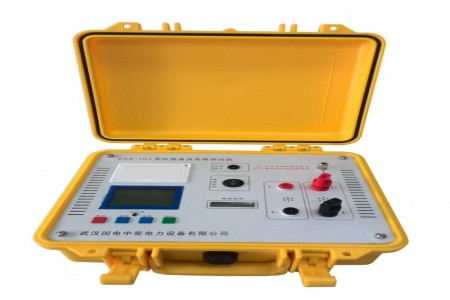
The Dielectric Loss Tester is a specialized instrument used for measuring dielectric loss in insulation materials of electrical equipment. Dielectric loss refers to energy loss within insulation materials caused by conduction and polarization processes under AC electric fields. This loss directly affects the performance and lifespan of electrical equipment; therefore, testing insulation materials with a Dielectric Loss Tester can evaluate insulation performance and ensure the safe and stable operation of electrical equipment.
The Concept of Dielectric Loss
Dielectric Loss refers to the energy loss occurring when AC voltage is applied to insulation material due to conduction and polarization effects. It is typically expressed using the Dissipation Factor (DF) or Tangent Delta (tanδ), with values reflecting the degree of loss in the insulation material under AC electric fields.
Working Principle
The Dielectric Loss Tester applies AC voltage to the test sample and measures its current response to calculate the dielectric loss factor (tanδ). The tester typically includes the following key components:
Signal Source: Generates a stable AC voltage signal to excite the test sample.
Measurement Unit: Collects the current response of the test sample and performs signal processing.
Data Processing and Display: Calculates the dielectric loss factor through built-in algorithms and displays the results on the screen.
Control and Interface: Provides a user-friendly operating interface, allowing users to set test parameters and exchange data with external devices.
Main Functions
Dielectric Loss Measurement: Measures the dielectric loss factor (tanδ) of insulation materials to evaluate their insulation performance.
Capacitance Measurement: Measures the capacitance value of the test sample for auxiliary analysis.
Temperature Compensation: Some advanced testers feature temperature compensation to eliminate the influence of temperature changes on test results.
Data Recording and Analysis: Automatically records test data and provides analysis reports for subsequent analysis and archiving.
Application Scenarios
Dielectric Loss Testers are widely used in power systems, electrical equipment manufacturing, research institutions, and various other fields, specifically including:
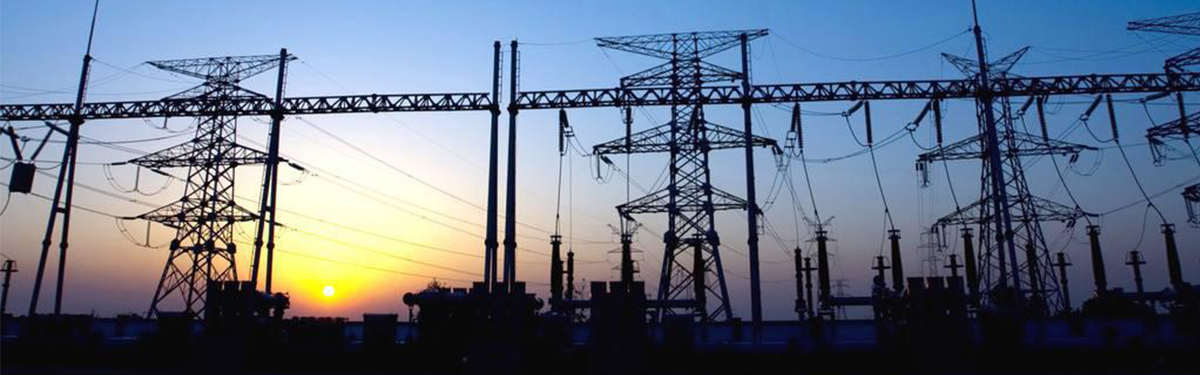
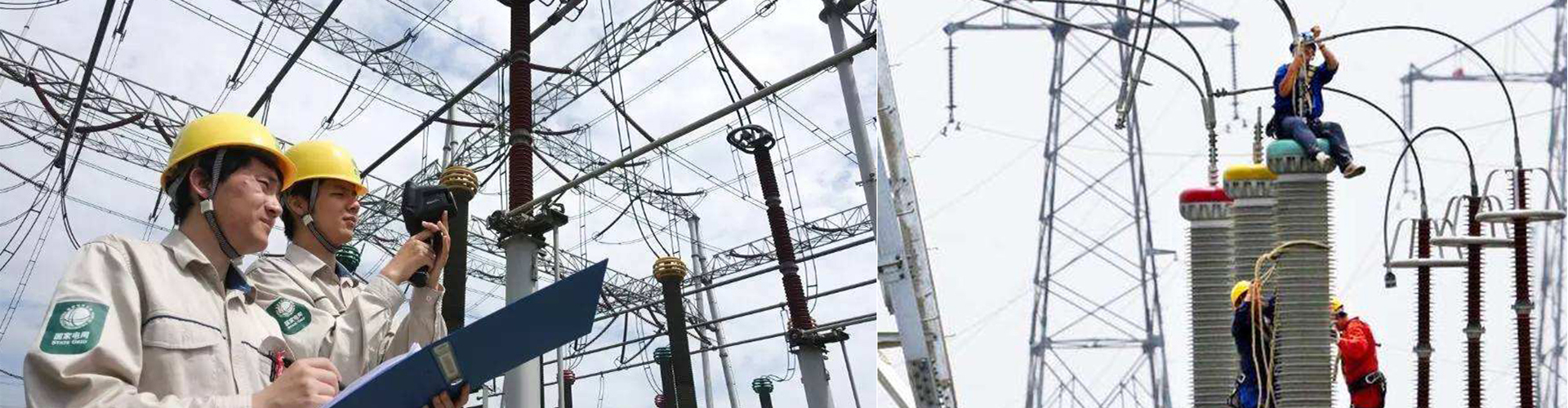
Power System Maintenance: Periodic testing of insulation performance of power transformers, cables, switchgear, etc., to ensure their long-term stable operation.
Electrical Equipment Manufacturing: Quality control of insulation materials during production to ensure products meet standard requirements.
Research and Teaching: Used in laboratories for studying dielectric properties of different materials, as well as for teaching demonstrations.
Quality Inspection: Used in quality inspection agencies to evaluate the quality of insulation materials and ensure they meet usage requirements.
Usage Method
Preparation Phase: Ensure the tester and test sample are in good condition and perform necessary safety checks.
Connect Equipment: Correctly connect the tester to the test sample according to testing requirements.
Parameter Setting: Set the tester's operating frequency, voltage, and other parameters based on the characteristics of the test sample.
Execute Test: Start the test program and perform testing according to the set parameters.
Record Results: Record test results and perform data processing and analysis as needed.
Real Application Case
During transformer maintenance at a power company, technicians used a Dielectric Loss Tester to inspect the insulation performance of a large transformer. By measuring the dielectric loss factor (tanδ) of the transformer's oil-paper insulation, they found that the value exceeded the specified standard. Further investigation revealed localized moisture inside the transformer, leading to decreased insulation performance. Through timely treatment, potential safety hazards were eliminated and the normal operation of the transformer was ensured.
Conclusion
The Dielectric Loss Tester is an important tool for evaluating the insulation performance of electrical equipment. By measuring the dielectric loss factor (tanδ), it can effectively assess the quality and condition of insulation materials. Dielectric Loss Testers play a vital role in power system maintenance, electrical equipment manufacturing, scientific research, and many other fields. As technology advances, future Dielectric Loss Testers will become more intelligent and portable, providing greater support for maintenance and R&D in the electrical industry. Through regular testing and maintenance, the safe and stable operation of electrical equipment can be ensured, extending its service life.