High-Voltage Wireless Phase Tester WZ Type: Overview, Definition and Functions
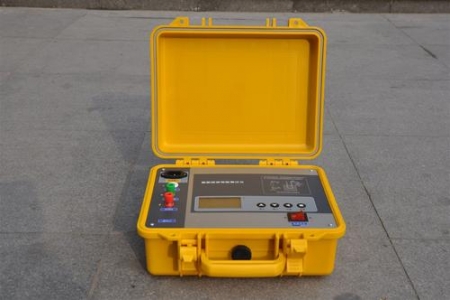
The High-Voltage Wireless Phase Tester WZ Type is a professional instrument used for detecting phase differences between high-voltage electrical equipment. Through wireless transmission technology, this instrument can perform phase detection over long distances and in complex environments, ensuring phase consistency during the connection and operation of electrical equipment, and preventing electrical faults caused by phase errors. This type of instrument is widely used in substations, transmission and distribution lines, and power plants in power systems, as well as in industrial production and scientific research experiments.
Importance
In power systems and industrial production, the phase consistency of electrical equipment directly affects system safety and reliability. Using the High-Voltage Wireless Phase Tester WZ Type for regular inspection can promptly detect phase errors, prevent electrical accidents caused by phase inconsistency, and improve the operational efficiency and safety of power systems.
Working Principle
Testing Methods
The High-Voltage Wireless Phase Tester WZ Type typically uses the following methods to detect phase differences:
Wireless Transmission Technology: Transmits detected phase signals to the receiving end via wireless transmission technology, enabling long-distance detection.
Phase Comparison Method: Determines whether two electrical devices are in phase by comparing the phase difference between them.
Frequency Synchronization Method: Ensures the accuracy of phase detection by synchronizing the frequencies of two electrical devices.
Components
The High-Voltage Wireless Phase Tester WZ Type generally consists of the following components:
Transmitting Unit: Installed on one side of the device under test, used to collect phase signals and transmit them wirelessly.
Receiving Unit: Installed on the other side of the device under test, used to receive phase signals sent by the transmitting unit.
Signal Processing Unit: Processes the collected phase signals and calculates the phase difference.
Display and Control Unit: Used to display test results and provide an operation interface for users to adjust test parameters.
Communication Module: Used for wireless transmission of phase signals.
Power Module: Provides necessary power support for the device.
Connection Interface: Used to connect to the device under test, such as voltage input interfaces.
Operating Procedure
Preparation Phase: Select the appropriate High-Voltage Wireless Phase Tester WZ Type according to testing requirements and prepare the device under test.
Connect Device: Install the transmitting unit and receiving unit on both sides of the device under test, ensuring reliable connections.
Set Parameters: Set the relevant parameters of the tester according to testing requirements, such as detection frequency and sensitivity.
Execute Test: Start the tester and begin detecting the phase difference.
Read Results: Read the phase difference results from the tester and record them.
Record Data: Record test data, including phase difference, test date, time, environmental conditions, etc.
Application Scenarios
The High-Voltage Wireless Phase Tester WZ Type is widely used in multiple fields:
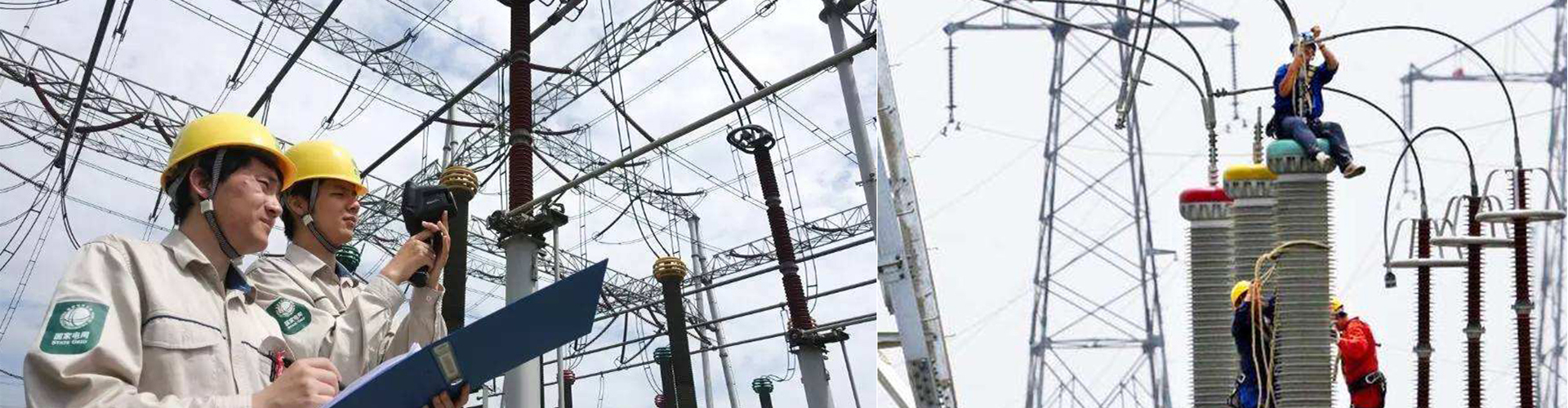
Power Systems: Used to detect phase consistency of equipment such as substations, transmission and distribution lines, and power plants in power systems, ensuring safe and stable system operation.
Industrial Production: Used in industrial production to detect phase consistency of equipment such as motors, generators, and high-voltage cables.
Scientific Research Experiments: Used in laboratories to study the phase characteristics of electrical equipment and evaluate the application effects of new materials or technologies.
Equipment Maintenance: Used during equipment maintenance and repair to evaluate the health condition of electrical equipment and promptly identify potential phase issues.
Usage Precautions
Safety First: Before testing, ensure the equipment is properly grounded and operators wear insulated protective equipment.
Correct Connection: Correctly connect the transmitting and receiving units according to the device manual to avoid equipment damage from incorrect connections.
Gradual Adjustment: When adjusting tester parameters, proceed gradually to avoid data distortion from sudden changes.
Regular Calibration: Regularly calibrate the High-Voltage Wireless Phase Tester WZ Type to ensure the accuracy of test results.
Complete Records: Record the data for each test in detail, including phase difference, test date, time, environmental conditions, etc., for future reference.
Development Trends
With technological advancement, the High-Voltage Wireless Phase Tester WZ Type is also continuously developing:
Intelligence: Integration of advanced sensor technology and intelligent control systems for remote monitoring and automated management.
Portability: More compact and lightweight design, easy to carry and operate on site.
Versatility: In addition to basic phase detection functionality, additional features such as data recording and fault diagnosis have been added.
High Precision: Using more advanced measurement technology to improve testing accuracy and reliability.
Summary
As an indispensable testing device in power systems, industrial production, and scientific research experiments, the High-Voltage Wireless Phase Tester WZ Type plays an important role in ensuring the phase consistency of electrical equipment. Through regular phase difference detection, potential phase issues can be promptly identified, preventing electrical accidents caused by phase inconsistency and improving the operational efficiency and safety of power systems. With continuous technological advancement, future High-Voltage Wireless Phase Testers WZ Type will become more intelligent, portable, and feature higher testing precision and functionality, better serving application needs in various fields.