If you want to write an article about Dielectric Loss Testers, you can start from the following aspects
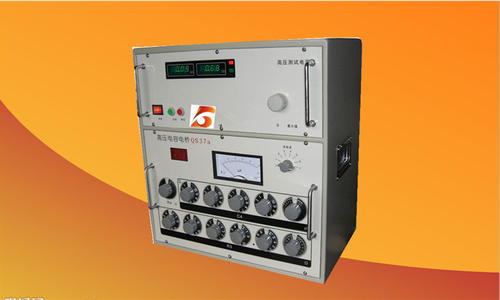
A Dielectric Loss Tester is an instrument used to measure the dielectric properties of insulating materials in electrical equipment. This type of instrument is primarily used to detect the dielectric loss factor (commonly known as tanδ) of transformer oil, cable paper, high-voltage switches, and other equipment in power systems, as well as capacitance equivalents. These parameters are crucial for evaluating the health condition of electrical equipment, as they can reveal whether the insulating materials are contaminated, aged, or have other defects.
If you want to write an article about Dielectric Loss Testers, you can start from the following aspects
Introduction
Briefly introduce the concept of dielectric loss and its importance.
Explain why dielectric loss measurement is necessary.
Principle and Technology
Describe the basic principles of dielectric loss testing.
Discuss the technical methods used in modern Dielectric Loss Testers, such as measurement methods under AC or DC voltage.
Application Areas
List the applications of Dielectric Loss Testers in different industries, such as power systems and electronics manufacturing.
Provide examples of how it helps detect and prevent potential electrical faults.
Testing Steps
Detail the general steps for conducting tests using a Dielectric Loss Tester.
Provide safety operating guidelines and precautions.
Case Studies
Share some real-world application cases demonstrating the effectiveness of Dielectric Loss Testers in identifying and resolving practical problems.
Conclusion
Summarize the importance of dielectric loss testing and look ahead to future technological development trends.
References
Provide some relevant reference books or research reports for further reading.
Ensure the article content is accurate and use plain language to explain professional terms and technical details so that non-professionals can understand. Additionally, emphasize the importance of proper operation and maintenance for ensuring accurate measurement results and equipment safety.