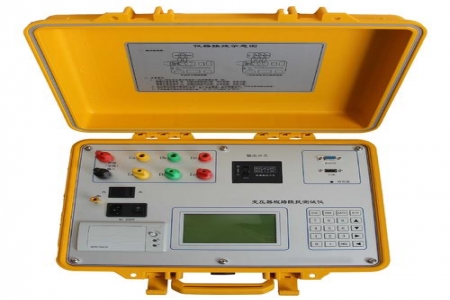
Dielectric Loss Tester: Principles and Applications
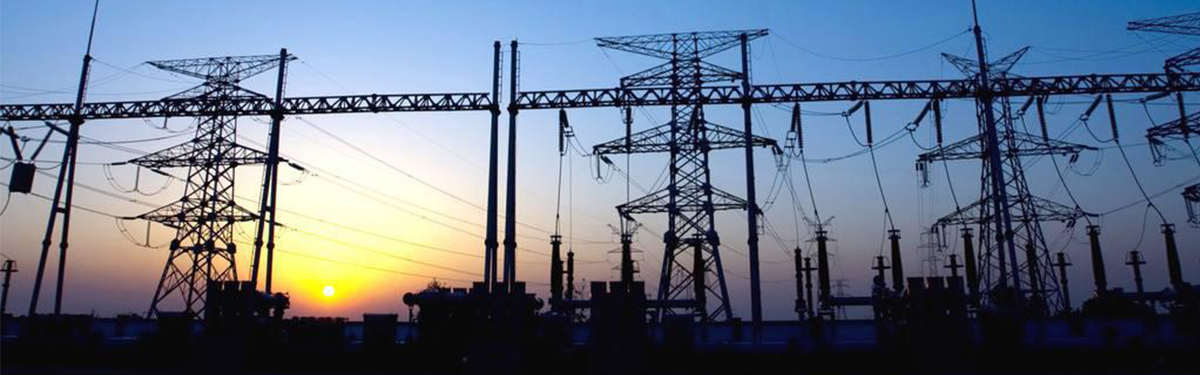
In the power industry, the reliable operation of electrical equipment depends on the health of its insulation system. Over time, insulation materials may deteriorate due to aging, contamination, mechanical damage, and other factors. To detect these issues, dielectric loss testing has become a key technical method. This article explores the working principles, application scenarios, and importance of Dielectric Loss Testers in modern power maintenance.
Working Principle
The Dielectric Loss Tester is primarily based on the dielectric loss measurement principle under AC voltage. When AC voltage is applied to insulation material, part of the energy is converted to heat — the ratio of this energy to input power is called the Dielectric Dissipation Factor (tanδ). A higher tanδ value indicates greater energy loss in the insulation material, typically meaning poorer insulation quality. The tester applies an AC voltage of known frequency and measures the resulting current to calculate tanδ and capacitance.
Application Scenarios
Power Cables: Used to detect whether the cable insulation layer is damaged or damp.
Transformers: Evaluates the aging degree of transformer oil-paper insulation.
Generators: Monitors the condition of the internal insulation system of generators.
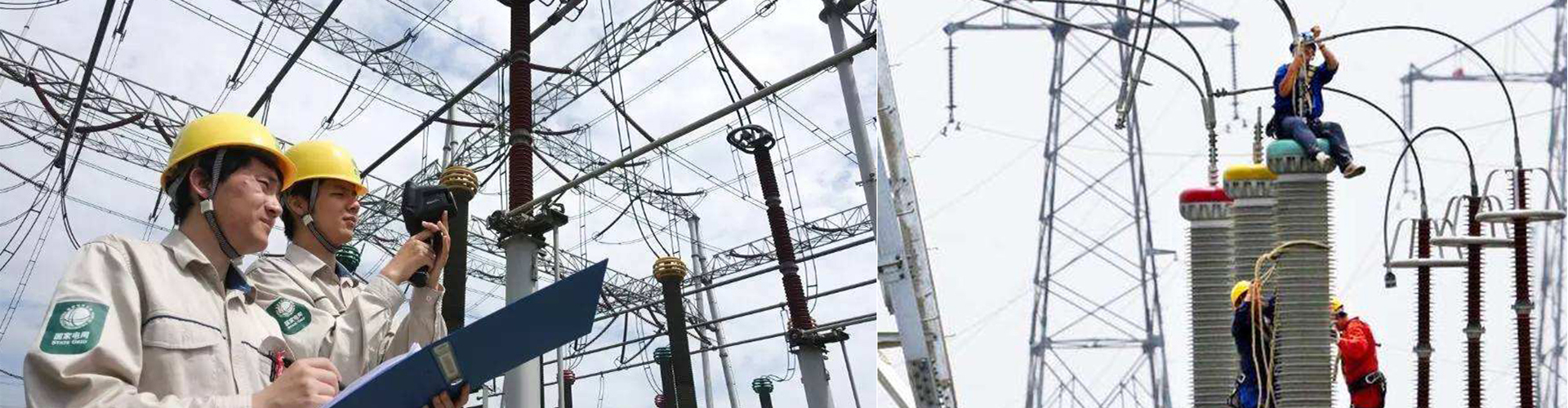
High-Voltage Bushings and Switchgear: Inspects the health condition of insulation components in high-voltage equipment.
Testing Steps
Preparation Phase: Ensure the equipment under test has been disconnected from the power supply and properly discharged.
Connect the Tester: Correctly connect the test leads according to the equipment manual.
Parameter Setting: Select appropriate test voltage level and frequency.
Start Testing: Start the tester and record tanδ value and capacitance.
Data Analysis: Compare with historical data or standard limits to determine insulation condition.
Notes
Before performing dielectric loss testing, safety operating procedures must be followed to ensure the safety of personnel and equipment.
Testing should be conducted in a dry environment to avoid humidity affecting test results.
The tester needs to be periodically calibrated to ensure measurement accuracy.
Conclusion
Dielectric loss testing is an important component of preventive maintenance for power equipment. Through periodic testing of tanδ values, potential insulation problems can be detected in time, allowing necessary measures to extend equipment life and ensure stable grid operation.
This article provides a basic understanding of Dielectric Loss Testers, including their principles, applications, and operating procedures. For power engineers and technicians, mastering this technology is of great significance for improving the reliability and safety of power systems.