Of course. Below is an article overview about Cable Fault Testers:
Cable Fault Tester: A Powerful Fault Diagnosis Tool in Power Systems
Introduction
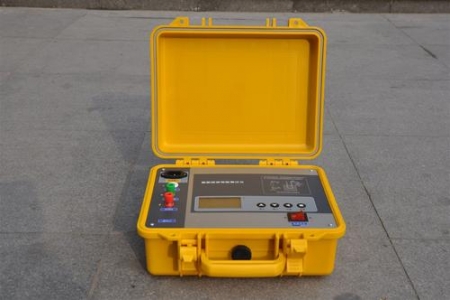
The Cable Fault Tester is a precision device specifically designed for detecting faults in power cables, capable of quickly locating fault points when cables have issues such as broken wires, short circuits, ground faults, or insulation damage. This is crucial for the maintenance and repair of power systems.
Working Principle
The working principle of the Cable Fault Tester is primarily based on Time Domain Reflectometry (TDR) and the pulse reflection method. During testing, the instrument injects a pulse signal into the cable. When the signal encounters an impedance mismatch point inside the cable (typically the fault point), part of the signal is reflected back. By measuring the round-trip time of the reflected signal and the signal velocity, the distance from the test point to the fault point can be calculated.
Main Features
High-Precision Localization: Capable of precisely locating fault points in cables.
Multi-Function Detection: Suitable for fault detection in different types of cables, including power cables and communication cables.
Intelligent Analysis: Built-in intelligent analysis software that can automatically identify and analyze fault types.
User-Friendly Interface: Equipped with an intuitive display and simple operating interface, convenient for on-site use.
Data Recording and Playback: Capable of recording test data, supporting post-analysis and report generation.
Usage Method
Check Instrument Battery: Ensure the instrument has sufficient battery power; use an external power supply if necessary.
Turn on Power Switch: After the Cable Fault Tester enters the operating system, it automatically enters the cable fault test system setup interface.
Initial Parameter Settings: Set corresponding test parameters based on the type, actual length, and fault nature of the cable under test.
Start Sampling: Connect the instrument test leads to the cable, click the “Sampling” button, and the instrument automatically enters data acquisition mode with waveforms displayed on the screen.
Select Trigger Working Mode: Choose the appropriate trigger method based on the fault type; for example, the pulse method is suitable for broken wires, poor contact, low-resistance ground faults, and short-circuit faults, while the flashover method is suitable for high-resistance flashover faults.
Application Scenarios
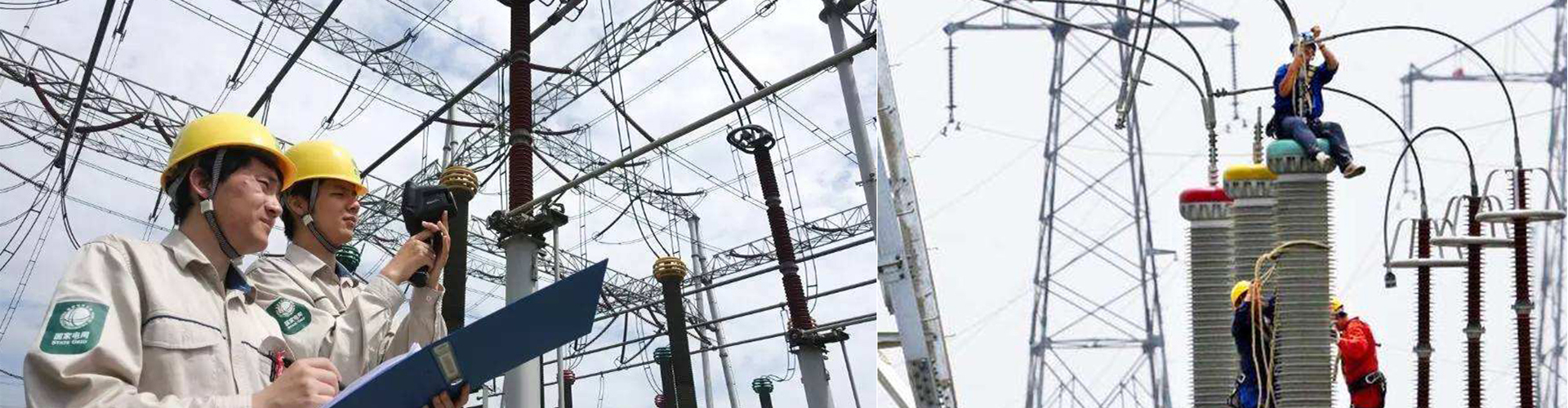
Power Cable Detection: Used for fault detection and localization in power cables.
Communication Cable Detection: Suitable for maintenance and troubleshooting of communication cables.
Building Wiring Detection: Locating fault points in cable wiring within buildings.
Preventive Maintenance: Regularly test cables to prevent potential faults.
Technology Development Trends
Intelligence: Integration of artificial intelligence technology to improve analysis accuracy and efficiency.
Multi-Function Integration: In addition to basic fault detection, other detection functions may be integrated.
Remote Monitoring: Support wireless transmission for remote monitoring and data analysis.
Conclusion
As an efficient and precise detection tool, the Cable Fault Tester plays an important role in the maintenance and troubleshooting of power systems. With technological advancement, future Cable Fault Testers will be more intelligent and efficient, better serving the safe operation of power systems.
I hope this article overview about Cable Fault Testers provides you with valuable reference. If you need more detailed information or have specific technical questions, please feel free to let us know.