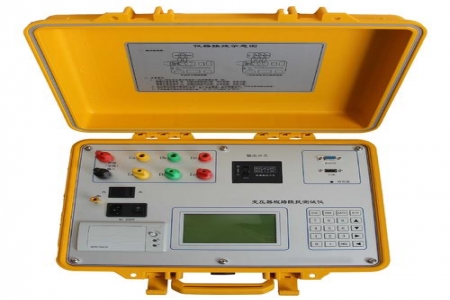
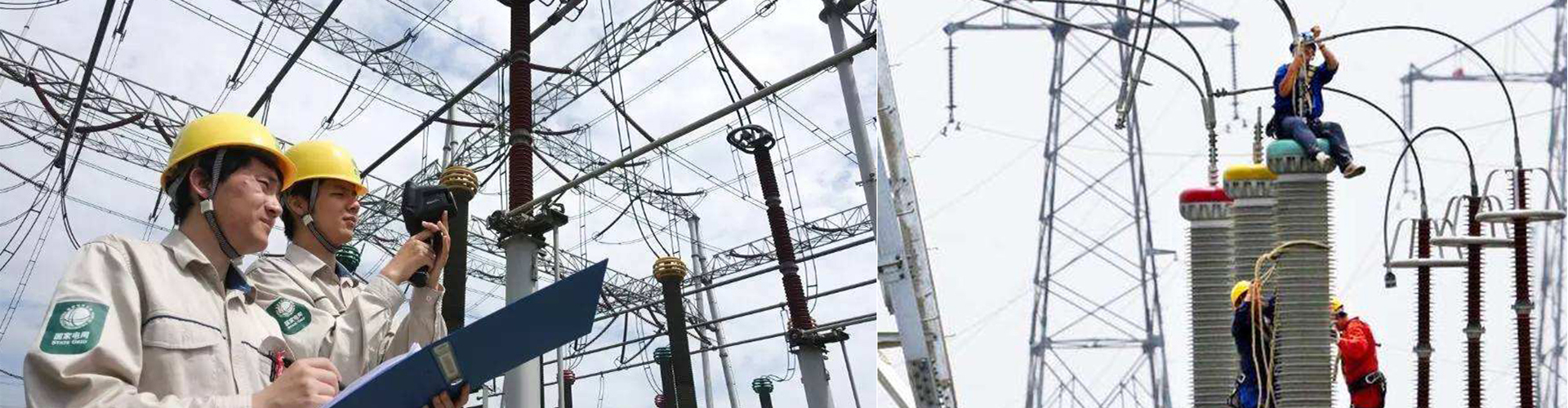
Partial Discharge Tester is used for detecting partial discharge in high-voltage electrical equipment
(Partial Discharge, PD) phenomenon. Below is an article overview about Partial Discharge Testers:
Partial Discharge Tester: A Key Tool for Power System Maintenance
Abstract
This article introduces the functions, working principles, application areas, and important role of Partial Discharge Testers in power system maintenance. Through this information, readers can better understand how to use this tool to ensure the safe and reliable operation of high-voltage electrical equipment.
Introduction
As the scale of power systems continues to expand, ensuring the stable operation of power facilities has become increasingly important. Partial Discharge (PD), as a common phenomenon, may cause early failures in the insulation systems of high-voltage electrical equipment. Therefore, Partial Discharge Testers, due to their portability and flexibility, are playing an increasingly important role in power system maintenance work.
Functional Features of Partial Discharge Tester
Early Fault Detection: Capable of detecting early partial discharge phenomena before other detection methods.
High Sensitivity: Can detect very weak partial discharge signals.
Strong Anti-Interference Capability: Can work effectively even in complex environments.
Portability: Small size and light weight, easy to carry and operate.
Remote Detection: Equipped with long-distance probes or ultrasonic remote receivers, capable of detecting partial discharge at long distances.
Multiple Applications: Can be used for various occasions such as pressure, vacuum leak, bearing monitoring, steam traps, and valve internal leakage detection.
Working Principle
The Partial Discharge Tester primarily works by capturing electromagnetic waves, ultrasonic waves, or other forms of energy generated by partial discharge. For example:
Pulse Current Method: Measures by detecting current pulses generated by partial discharge.
Ultrasonic Detection Method: Captures ultrasonic signals generated by partial discharge.
UHF Detection Method: Detects UHF electromagnetic wave signals generated by partial discharge.
Ground Electric Wave Detection Method: Captures ground electric wave signals generated by partial discharge.
Usage Method
Power-On Preparation: Set the time base mode to the appropriate mode.
Calibration: Connect the calibration pulse generator for calibration.
Connect to Test Circuit: Disconnect the calibration connection line and connect to the high-voltage test circuit.
Adjust Settings: Adjust settings according to actual conditions, such as elliptical rotation.
Observation and Recording: Gradually increase the test voltage and observe discharge phenomena.
Locate Discharge Point: Perform repeated measurements from different angles to determine the specific location of the discharge point.
Save Results: After confirming correctness, click the save button on the device screen to store the current test results.
Application Areas
Transformers: Monitor partial discharge phenomena inside transformers.
Switchgear: Hold the instrument close to the switchgear surface for scanning detection.
Cables: Use high-frequency instrument transformers to monitor partial discharge in cables.
GIS Equipment: Detect UHF band pulse electromagnetic wave signals outside GIS equipment.
Notes
Safe Operation: Ensure understanding of all safety measures before use.
Regular Calibration: Regularly calibrate the instrument to ensure the accuracy of test results.
Professional Training: Operators should receive professional training and be familiar with the instrument usage methods.
Conclusion
The Partial Discharge Tester is one of the indispensable tools in power system maintenance. It not only helps technicians promptly detect potential equipment issues but also improves the overall reliability and safety of power systems. With technological advancement, the performance of these testers will continue to improve, providing stronger support for the future development of the power industry.
Please note that this article provides an overview introduction. For specific usage, please refer to the user manual of the specific model or consult the manufacturer for detailed guidance and operating instructions.