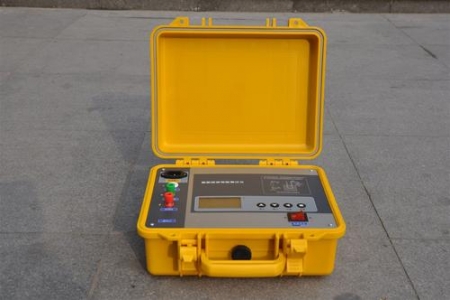


Instrument Transformer Characteristic Tester: Overview and Applications
Certainly. Below is an article summary about Instrument Transformer Characteristic Testers, aimed at providing a detailed introduction to the functions, working principles, application scenarios, and usage methods of this equipment.
Instrument Transformer Characteristic Tester: Overview and Applications
1. Introduction
Background: Instrument transformers (Current Transformers CT and Voltage Transformers PT) are indispensable components in power systems, used to convert high voltage or large current into measurable small voltage or current.
Role of the Tester: The Instrument Transformer Characteristic Tester is used to accurately measure key parameters such as volt-ampere characteristics, ratio, and polarity of instrument transformers, ensuring their accuracy and stability.
2. Working Principle
V-A Characteristic Testing: By applying different voltages and measuring the corresponding currents, the volt-ampere characteristic curve is plotted.
Ratio Testing: Measures the voltage or current ratio between the primary and secondary sides of the instrument transformer.
Polarity Testing: Determines the polarity of the instrument transformer, i.e., the positive and negative direction of current or voltage.
Built-in Power Supply: Uses internal power supply for testing without requiring external power support.
3. Main Functions
Automatic Testing: Automatically completes V-A characteristic, ratio, polarity, and other tests.
Data Processing: Built-in microprocessor performs data acquisition, analysis, and storage.
Result Display: Displays test results including charts and numerical values on the screen.
Printing Function: Built-in printer for direct printing of test reports.
Data Export: Export test data to USB flash drive via USB interface.
4. Usage Method
Connection Preparation: Correctly connect the tester to the instrument transformer.
Parameter Setting: Set test parameters such as secondary rated current.
Start Testing: Initiate the test program; the instrument automatically completes the measurement process.
Result Reading: Observe the test results on the display screen and perform necessary saving and printing.
5. Application Scenarios
Manufacturing Inspection: Used for product quality inspection during instrument transformer production.
Handover Testing: Ensure that instrument transformers meet contractual requirements before delivery to customers.
Maintenance and Repair: Periodically inspect instrument transformers to ensure their normal operation.
Fault Diagnosis: Help locate problems when instrument transformers malfunction.
6. Technical Specifications and Standards
Measurement Range: CT ratio range and PT ratio range.
Accuracy Class: Typically within ±0.5%.
Applicable Environment: Operating temperature range, relative humidity, and other environmental conditions.
7. Case Study
Real Application Case: Introduces a specific testing case, including pre-test conditions, testing process, test results, and subsequent actions.
8. Maintenance and Care
Daily Maintenance: Recommended daily maintenance measures.
Precautions: Items to note when using the tester, such as grounding connections and safe operation.
9. Conclusion
Summary: Summarizes the importance and application value of Instrument Transformer Characteristic Testers.
Outlook: Discusses potential future development trends and technological advances.
10. References
Related References: Lists relevant technical documents and standard specifications cited in this article.
This article summary covers the main content of Instrument Transformer Characteristic Testers, providing detailed explanations from basic principles to practical applications. You may expand or modify it according to your needs. If any specific technical details or case studies need to be added, please let us know.