Cable Fault Tester: A Capable Assistant for Ensuring Power Transmission Safety
Introduction
In modern society, cables serve as important carriers for power transmission and information transfer, and their operating condition directly affects power supply reliability and communication network stability. However, due to factors such as natural aging and external damage, cable faults occur from time to time. To rapidly locate fault points and repair them in a timely manner, reducing outage time and economic losses, cable fault testers have emerged. This article will introduce cable fault testing in detail
I. Overview of Cable Fault Tester
(I) Definition and Function
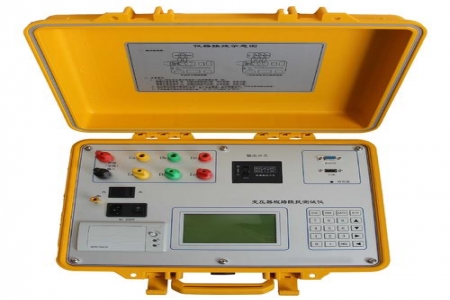
Cable fault testers are a class of professional equipment specifically used to detect cable fault locations, applicable to various low-voltage, medium-voltage, and high-voltage power cables and communication cables. They can quickly and accurately locate faults such as breaks, short circuits, and grounding in cables, helping maintenance personnel develop effective repair plans and improve work efficiency.
(II) Main Types
Based on different detection technologies and application scenarios, cable fault testers can be roughly classified into the following categories:
Pulse Reflection Method Tester: Determines the fault point location by sending a pulse signal into the cable and analyzing changes in the reflected signal.
Bridge Method Tester: Based on the resistance balance principle, locates fault points by measuring the resistance difference between the two ends of the cable.
Audio Induction Method Tester: Injects an audio signal of a specific frequency into the cable and uses a detector on the ground to track signal strength changes to determine fault location.
II. Working Principle
(I) Pulse Reflection Method
The pulse reflection method is currently one of the most widely used cable fault detection methods. Its basic principle is to apply a high-energy pulse signal at one end of the cable; when the signal encounters an impedance discontinuity point (such as a fault point), it reflects back. By collecting and analyzing the reflected pulse, the distance from the transmission point to the fault point can be calculated.
(II) Bridge Method
The bridge method is mainly used for detecting low-resistance faults. It adjusts the standard resistance to bring the bridge to a balanced state, then calculates the fault point distance based on the adjusted resistance value. This method is simple and intuitive but has relatively lower accuracy, making it suitable for preliminary screening.
(III) Audio Induction Method
The audio induction method is suitable for finding underground cable paths or shallow surface cable faults. During operation, an audio signal is first injected into the cable, and then a receiver is used to search along the cable laying route for the strongest signal point, which is the cable location; if a fault exists, signal weakening will occur at the fault location.
3. Features
(I) High-Precision Location
Adopting advanced digital signal processing technology, it can achieve millimeter-level or even higher precision fault point location, greatly shortening repair time.
(II) Multi-Function Integration
Modern cable fault testers often integrate multiple detection modes into one unit, allowing users to flexibly select the most suitable test method based on actual conditions to meet the needs of different scenarios.
(III) Portable and Easy to Use
Compact and lightweight design, easy to carry to the site for operation. At the same time, most products are equipped with a friendly human-machine interface supporting one-touch operation, lowering the usage threshold.
(IV) Data Storage and Management
Built-in large-capacity storage unit that can save a large amount of test data, which can be exported to a computer via USB interface or other communication methods for further analysis and processing.
4. Application Scenarios
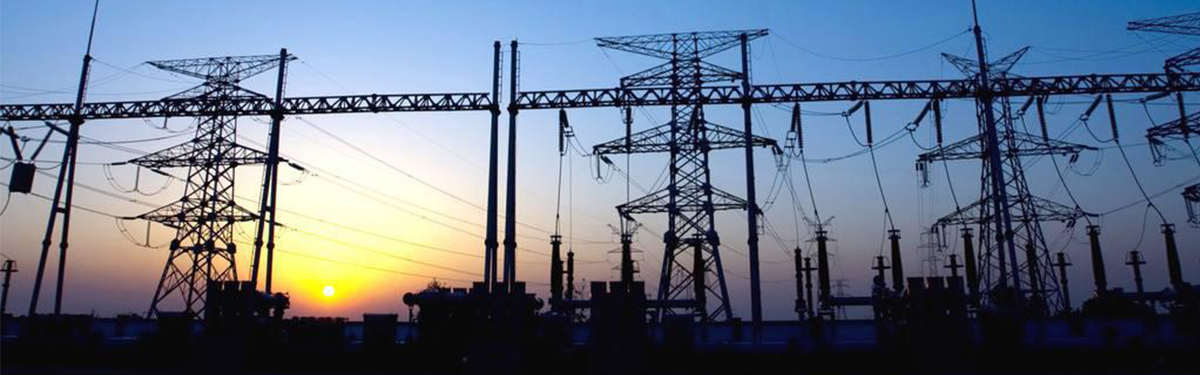
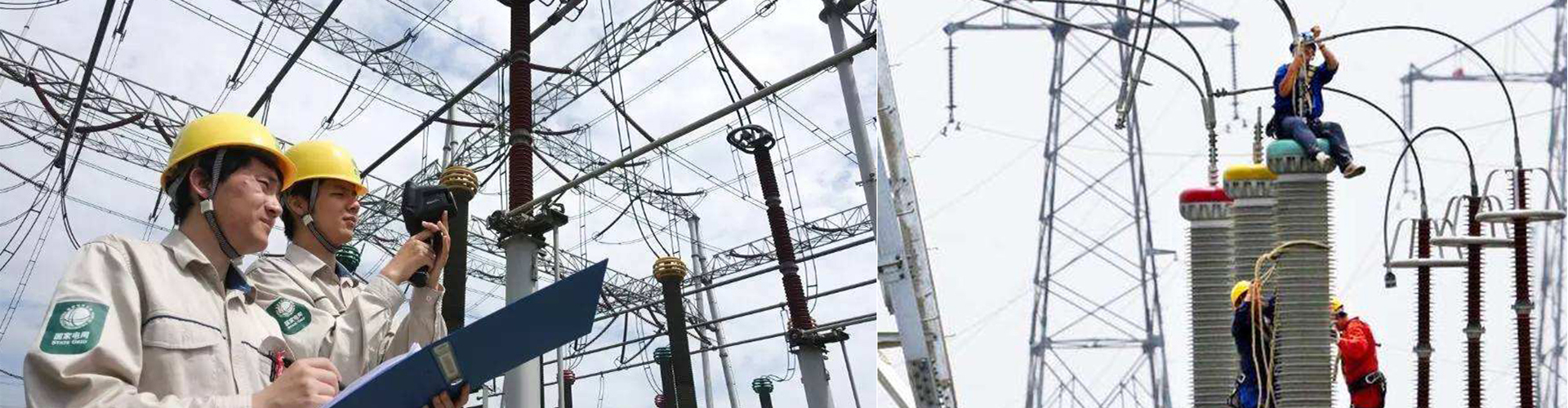
Power Departments: Used for regular inspection and emergency fault handling to ensure stable operation of the power grid.
Telecom Operators: Assists in troubleshooting fiber optic cables, coaxial cables, and other communication line issues to ensure service quality.
Industrial Enterprises: Perform maintenance on self-built cable networks within factory areas to prevent production interruptions caused by cable faults.
Conclusion
With technological advancement, cable fault testers are continuously developing toward greater intelligence and efficiency. Whether for power systems or other industries that rely on cable transmission, it is crucial to select a cable fault tester that suits your needs. We hope that through this article, you can gain a comprehensive understanding of cable fault testers and effectively apply them in practical work.