Introduction to Insulation Resistance Testers
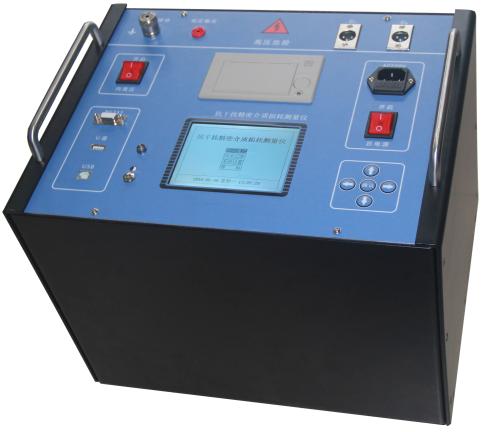
The insulation resistance tester, also known as a Megohmmeter, is an instrument specifically used to measure the insulation resistance of electrical equipment and wiring. It evaluates the quality of insulating materials by applying high voltage and measuring the current flowing through them, and is one of the important tools for ensuring the safe operation of electrical systems. Insulation resistance testing is widely used in the power industry, manufacturing, and construction sectors to ensure equipment safety and reliability.
Working Principle
The working principle of the insulation resistance tester is based on Ohm's Law, which is the relationship between voltage and current. During testing, the instrument applies a stable DC voltage to the equipment or cable under test and measures the resulting leakage current. Based on the measured current value, the corresponding insulation resistance value is calculated. Generally, higher insulation resistance values indicate better insulation performance.
Application Areas
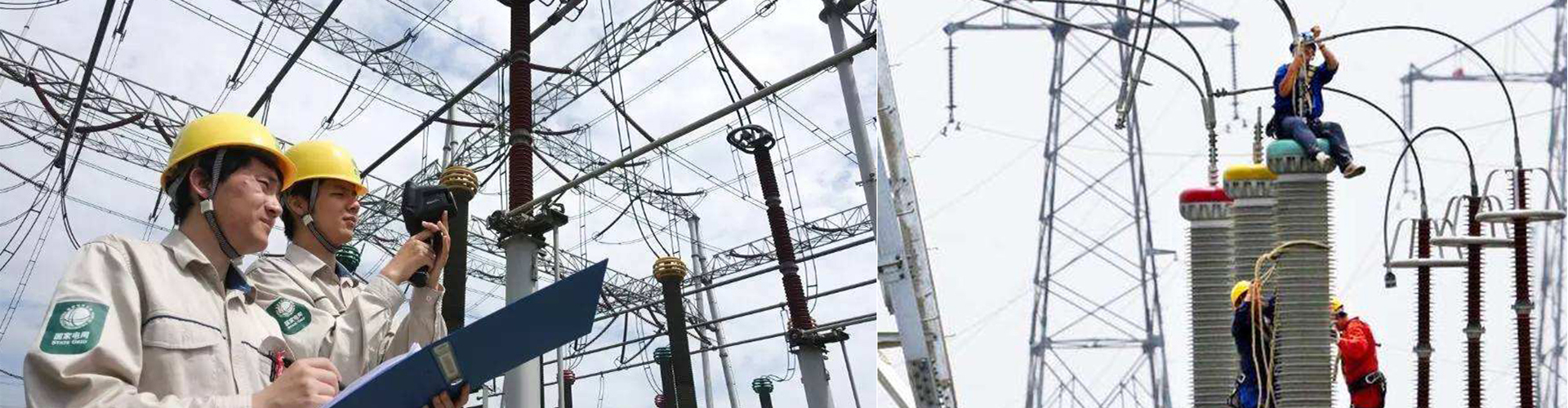
Power Systems: Perform regular inspections of large electrical equipment such as transformers, generators, and motors to ensure their insulation performance meets standards.
Industrial Manufacturing: Conduct quality control tests on various electrical products and their components during the production process.
Construction Engineering: After the completion of internal electrical installation in buildings, use insulation resistance testers to inspect the insulation condition of wires, sockets, and other components.
Maintenance and Overhaul: For electrical equipment already in service, use this instrument to detect potential problems during preventive maintenance.
Advantages
High-Precision Measurement: Capable of providing precise insulation resistance readings to help accurately assess equipment condition.
Multiple Voltage Options: Different models of insulation resistance testers offer different test voltage options to meet the needs of various applications.
Portable Design: Many modern insulation resistance testers are compact and lightweight, making them easy to carry to job sites.
Data Storage and Transmission: Some advanced devices support automatic recording and export of test results, facilitating subsequent analysis and report generation.
Usage Precautions
Before starting the test, ensure all power connections are disconnected and the equipment under test is grounded and discharged to avoid damaging the tester or causing personal injury.
Select the appropriate test voltage level based on the specific condition of the test object to avoid insulation breakdown caused by excessively high voltage.
Regularly calibrate your insulation resistance tester to ensure it is always in optimal working condition.
Follow the manufacturer's operating guide to understand the correct operating procedures and safety measures.
By using insulation resistance testers, insulation defects in electrical equipment can be effectively discovered, and measures can be taken in a timely manner to prevent failures, thereby ensuring the normal operation of the system. This is of great significance for improving the safety of electrical equipment and extending its service life. We hope this article provides you with basic knowledge and practical information about insulation resistance testers. If you have any further questions or need more assistance, please feel free to let us know!
>