Introduction to Cable Fault Testers
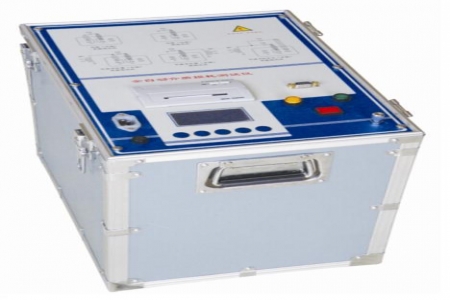
The cable fault tester is a device specifically designed to detect potential problems in various types of cables, such as power cables and communication cables. These faults may include breaks, short circuits, grounding faults, or insulation damage. The cable fault tester uses various technical methods to precisely locate these problems for timely repair, ensuring the normal operation of cable systems.
1. Working Principle
The technologies used by cable fault testers mainly include:
Low-Voltage Pulse Reflection Method: Suitable for detecting open circuits, short circuits, and low-resistance faults. A low-voltage pulse signal is sent into the cable, and the reflected waveform is analyzed to locate the fault point.
High-Voltage Flashover Method (Impulse Flashover): For high-impedance faults (such as insulation breakdown), high-voltage pulses are used to cause instantaneous discharge at the fault point, and then changes in the voltage waveform are recorded to determine the fault location.
Bridge Method: Uses the bridge balance principle to measure resistance value differences in the cable, thereby calculating the fault distance. This method is more traditional but remains effective for certain types of faults.
2. Main Functions and Features
Precise Location: Capable of accurately locating fault points in cables, with an error range typically within a few meters.
Versatility: Supports multiple testing methods, adapting to different types and degrees of cable faults.
User-Friendly Interface: Modern cable fault testers are typically equipped with intuitive operating interfaces and display screens, simplifying the operating procedure.
Portable Design: Considering the needs of field operations, many devices are designed to be lightweight and portable, convenient to carry to any location where testing is needed.
III. Application Scenarios
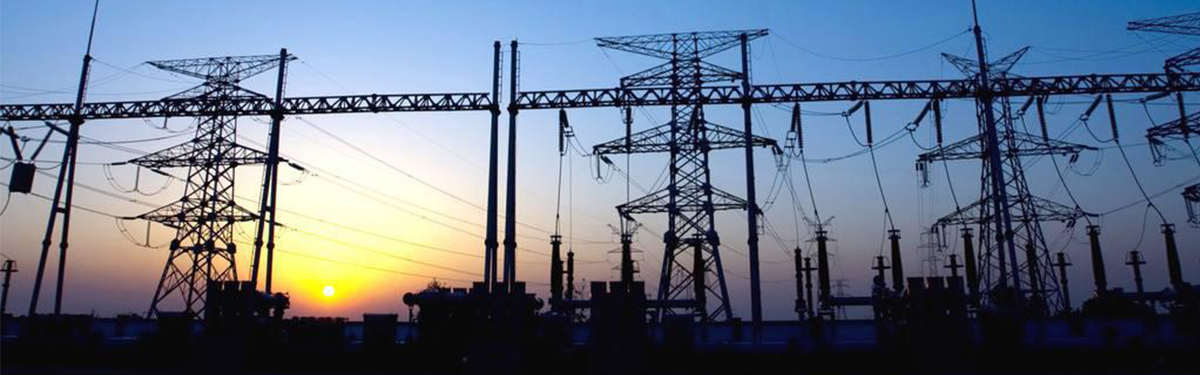
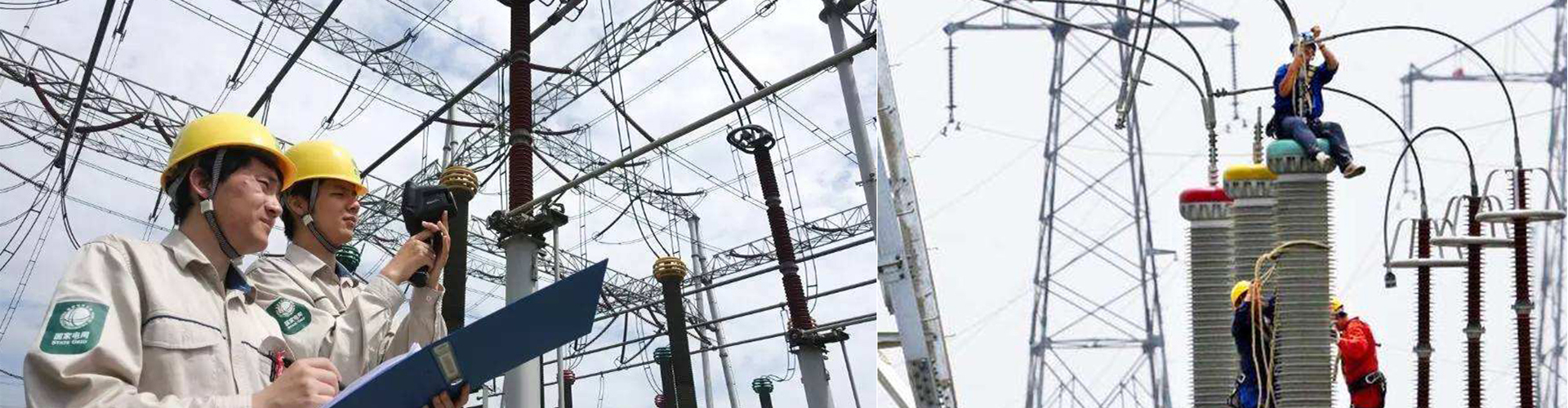
Power System Maintenance: Regularly inspect the condition of cables in transmission lines and distribution networks to prevent unexpected power outages.
Communication Network Overhaul: Used to diagnose transmission obstacles in communication media such as telephone lines and fiber optic cables.
Industrial Facility Management: Ensure the reliability of cable connections in complex electrical and automation systems within factories.
Building Electrical Engineering Acceptance: After the completion of new construction or renovation projects, perform final quality inspection of installed cables.
4. Usage Precautions
Safety First: When dealing with cable faults, especially in cases involving high-voltage testing, strict compliance with safety procedures is mandatory, and appropriate personal protective equipment must be worn.
Correct Selection of Test Method: Select the most suitable test method based on the cable type and expected fault nature to obtain the most accurate results.
Training and Qualification Certification: Since it involves specialized skills and knowledge, it is recommended that cable fault testing be performed by professionals who have received specialized training and hold relevant qualification certificates.
5. Summary
The cable fault tester is a key tool for maintaining the efficient and reliable operation of cable networks. It not only helps quickly discover and resolve various problems in cables but also reduces service interruption time caused by cable faults. With technological advancement, cable fault testers continue to evolve, becoming more intelligent and easier to use, providing users with more efficient fault troubleshooting solutions. Whether for power companies or enterprises with complex cable networks, the cable fault tester is an indispensable device.