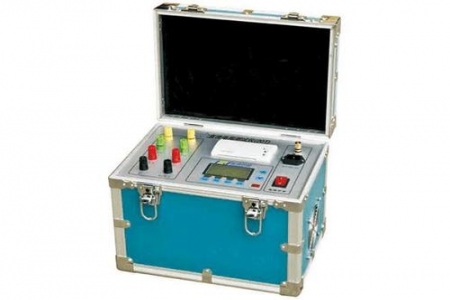
Working Principle of High-Voltage Wireless Phase Detector
The high-voltage wireless phase detector typically consists of a transmitter, receiver, and signal processing unit. The transmitter is placed near the high-voltage conductor to be tested, acquires voltage signals through induction, and transmits these signals wirelessly to the receiver. The receiver processes the signals received from the transmitter, compares them with a reference signal, and ultimately determines whether the phases are consistent.
Main Functional Features
Wireless Transmission: Uses wireless technology to complete phase comparison without physical connection.
High Safety: No direct contact with high-voltage conductors is required, reducing the risk of electric shock to operators.
Long-Distance Operation: Supports signal transmission over relatively long distances, convenient for use in complex environments.
Multi-Function Display: Equipped with a clear display screen showing phase difference, frequency, and other information.
Data Recording and Analysis: Some advanced models support data recording and analysis functions for subsequent processing.
Phase Detection Steps
Preparation: Ensure operators wear personal protective equipment (such as insulated gloves, insulated shoes, etc.) and confirm the instrument is in good condition.
Equipment Connection: Place the transmitter near the high-voltage conductor under test, and place the receiver in a safe location.
Signal Transmission and Reception: Turn on the instrument; the transmitter begins collecting voltage signals and wirelessly sends them to the receiver.
Result Reading: Read the phase difference information on the receiver to determine consistency.
Recording and Analysis: Record the test results and perform further analysis as needed.
Application Scenarios
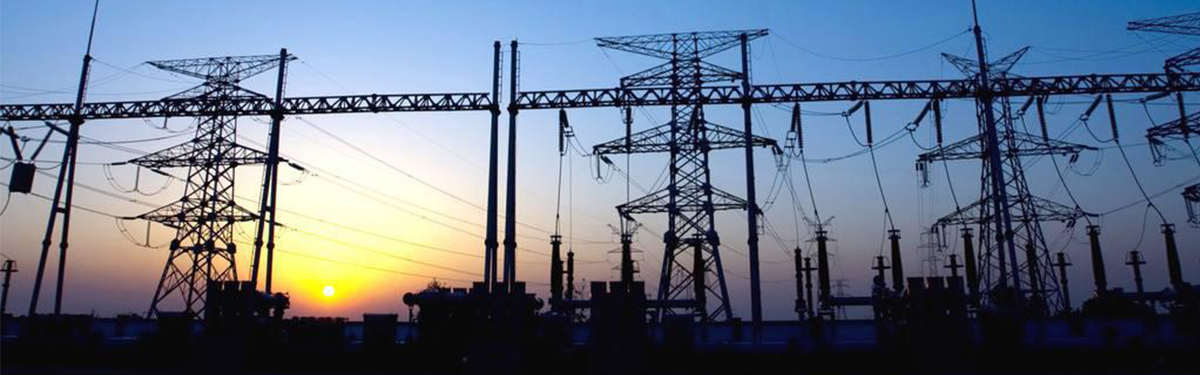
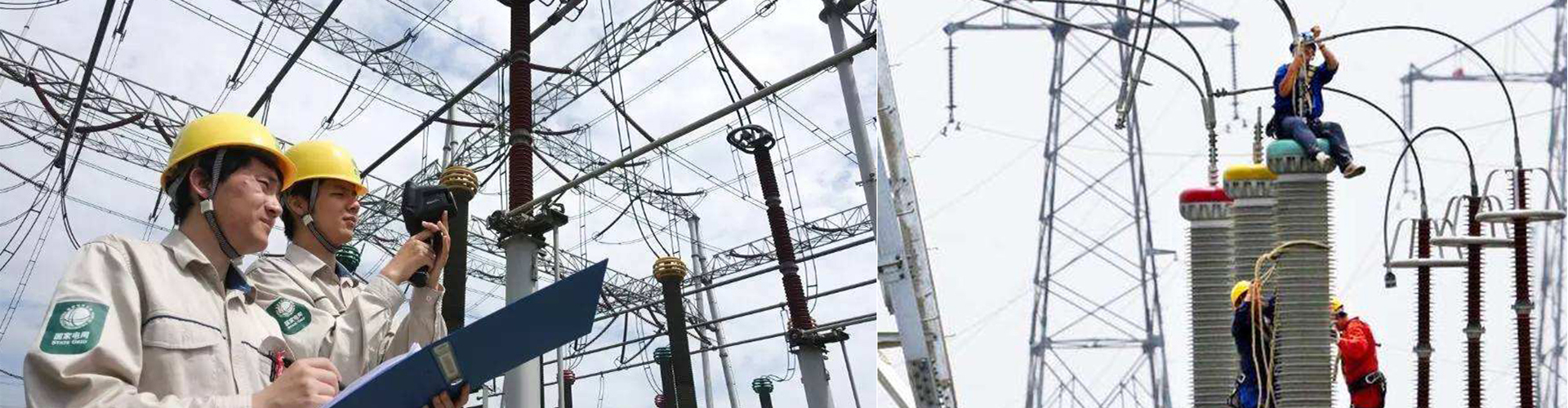
Power System Maintenance: Used during power system maintenance to detect phase matching of lines or equipment.
New Project Acceptance: Used for acceptance testing in new power facility projects to ensure correct phase connections.
Fault Diagnosis: Helps locate problems when abnormalities occur in the power system.
Scientific Research and Teaching: Used as an experimental tool in power engineering research and teaching activities.
Operating Precautions
Safety First: Always follow safety operating procedures, especially when working in high-voltage environments.
Environmental Factors: Pay attention to temperature, humidity, and other conditions of the test environment to avoid interfering with signal transmission.
Instrument Calibration: Regularly calibrate the instrument to ensure the accuracy of test results.
Professional Training: Operators should receive professional training and be familiar with the instrument's usage methods and safety knowledge.
Typical Case Studies
(Specific test cases can be inserted here, such as the process of a certain power system phase detection, problems discovered, and solutions, etc.)
Conclusion
The high-voltage wireless phase detector, with its high safety, convenience, and accuracy, has become an ideal tool for phase comparison in power systems. By using this advanced instrument, power engineers can perform phase detection work more effectively, ensuring the safe and stable operation of power systems.
Outlook
With the continuous development of wireless communication technology and sensor technology, future high-voltage wireless phase detectors will become more intelligent, with stronger data processing capabilities and remote monitoring functions, further improving the operational efficiency and safety of power equipment.
This article summary provides readers with basic knowledge and application guidance about high-voltage wireless phase detectors. When writing a detailed article, more technical details and practical case analysis can be added according to specific circumstances.