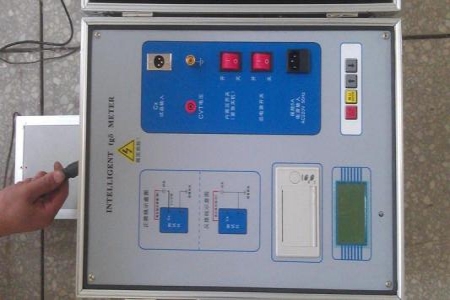
The high-voltage wireless phase detector is used for detecting high-voltage power systems
The high-voltage wireless phase detector is a professional device used to detect the phase difference between different phases in high-voltage power systems. This type of instrument is mainly used for the installation, maintenance, and troubleshooting of power systems, especially when it is necessary to confirm the phase consistency between different power sources. Below is an article about the high-voltage wireless phase detector, covering its basic concepts, working principles, application scenarios, and usage precautions.
Overview of High-Voltage Wireless Phase Detector
Definition and Function
The high-voltage wireless phase detector is a professional device used to detect the phase difference between different phases in high-voltage power systems. It transmits phase information from the high-voltage end to the ground receiver through wireless communication technology, thereby achieving phase verification without directly contacting high-voltage electricity. This type of equipment is widely used in power systems to ensure phase consistency of power equipment during installation, maintenance, and operation, avoiding equipment damage or safety accidents caused by phase errors.
Importance
In power systems, correct phase connection is crucial for ensuring the safe operation of equipment. Using high-voltage wireless phase detectors for phase verification can effectively avoid equipment failures and safety accidents caused by phase errors, improving the stability and reliability of power systems.
Working Principle
Phase Detection Method
High-voltage wireless phase detectors typically use the following methods to detect phase differences:
Wireless Transmission: Sensors at the high-voltage end transmit phase information to the ground receiver through wireless signals.
Phase Comparison: After receiving information from different high-voltage ends, the ground receiver calculates the phase difference through built-in phase comparison algorithms.
Display Results: The phase difference results are displayed through a display screen or other indicating devices, along with corresponding prompt information.
Components
A high-voltage wireless phase detector generally consists of the following components:
High-Voltage End Sensor: Installed on different phases of the high-voltage power system to collect phase information.
Wireless Transmitter: Sends the information collected by the high-voltage end sensor through wireless signals.
Ground Receiver: Receives wireless signals and calculates the phase difference through built-in algorithms.
Display and Control Unit: Used to display phase difference results and provide a control interface for user operation.
Power Module: Provides necessary power support for the device.
Operating Procedure
Preparation Phase: Select an appropriate high-voltage wireless phase detector according to test requirements and prepare the equipment to be tested.
Connect Equipment: Correctly install the high-voltage end sensors on different phases of the equipment to be tested.
Set Parameters: Set the relevant parameters of the ground receiver according to test requirements, such as frequency range, sensitivity, etc.
Execute Test: Start the high-voltage wireless phase detector and begin detecting phase differences.
Read Results: Read the phase difference results from the ground receiver and record them.
Record Data: Record test data, including phase difference results, test date, time, environmental conditions, and other information.
Application Scenarios
High-voltage wireless phase detectors are widely used in multiple fields:
Power Systems: Used to detect phase consistency between different power sources in power systems, ensuring correct connection of power equipment.
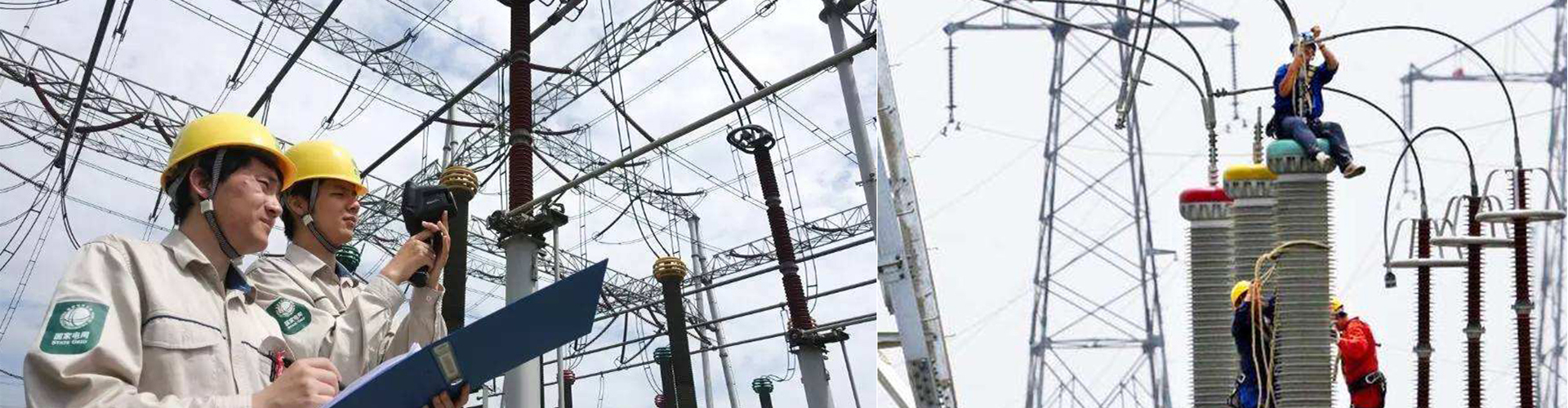
Substations: Used during substation construction or renovation to verify phase relationships between different power sources.
Cable Connections: Used during cable connection or repair to confirm phase consistency at both ends of the cable.
Equipment Maintenance: Used during routine maintenance and overhaul of power equipment to detect the phase status of equipment.
Usage Precautions
Safety First: Before testing, ensure the equipment is properly grounded and operators wear insulated protective equipment.
Correct Connection: Correctly install high-voltage end sensors according to the equipment manual to avoid equipment damage caused by incorrect connections.
Gradual Adjustment: When adjusting tester parameters, proceed gradually to avoid data distortion from sudden changes.
Regular Calibration: Regularly calibrate the high-voltage wireless phase detector to ensure the accuracy of measurement results.
Complete Documentation: Record the data from each test in detail, including phase difference results, test date, time, environmental conditions, and other information for future reference.
Development Trends
With technological advancement, high-voltage wireless phase detectors are also continuously developing:
Intelligence: Integration of advanced sensor technology and intelligent control systems for remote monitoring and automated management.
Portability: More compact and lightweight design, easy to carry and operate on site.
Versatility: In addition to basic phase detection functions, other functions have been added, such as data recording, fault diagnosis, etc.
High Precision: Using more advanced measurement technology to improve testing accuracy and reliability.
In summary, the high-voltage wireless phase detector, as an indispensable testing device in power system, substation construction, and maintenance, plays an important role in ensuring the safe and reliable operation of power equipment. With continuous technological advancement, future high-voltage wireless phase detectors will become more intelligent, portable, with higher testing accuracy and functionality, better serving the application needs of various fields.