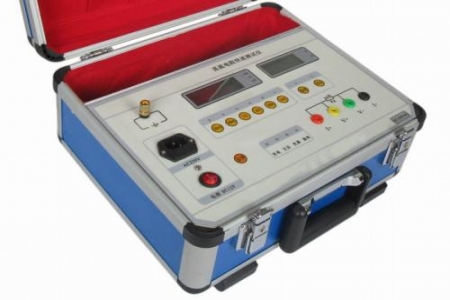

High-Voltage Test Transformer Accuracy: Precisely Measuring and Displaying Output Voltage Values
Of course. Below is an article about how to ensure the accuracy of high-voltage test transformers, aimed at introducing methods and techniques for achieving accurate measurement and display of output voltage values.
High-Voltage Test Transformer Accuracy: Precisely Measuring and Displaying Output Voltage Values
Introduction
High-voltage test transformers play an important role in the detection, maintenance, and debugging processes of power systems. Ensuring that these transformers can accurately measure and display output voltage values is crucial for the safe operation of power equipment. This article explores how to improve the accuracy of high-voltage test transformers and the key points to note during use.
I. Factors Affecting Accuracy
Manufacturing Process: The manufacturing process of the transformer directly affects its performance.
Material Quality: The quality of the iron core and winding materials used.
Environmental Conditions: External environmental factors such as temperature and humidity.
Aging Effects: Aging of components after long-term use.
Measurement Equipment: The accuracy of the voltmeter or voltage sensor used in conjunction.
II. Methods to Improve Accuracy
Select High-Quality Materials:
Use high-quality iron core materials to reduce hysteresis loss.
Select high-conductivity copper wire for windings to reduce resistance loss.
Optimize Design Structure:
Design reasonable winding layouts to reduce eddy current effects.
Adopt multi-layer shielding technology to reduce external electromagnetic interference.
Use High-Precision Measurement Equipment:
Use digital voltmeters or precision voltage sensors.
Regularly calibrate measurement equipment to ensure its accuracy.
Control Environmental Conditions:
Conduct tests in a constant temperature and humidity environment.
Minimize vibration and electromagnetic interference as much as possible.
Regular Maintenance:
Regularly inspect and clean the transformer.
Replace worn components.
Follow Operating Procedures:
Strictly follow the operating guide provided by the manufacturer.
Comply with safety operating procedures to prevent misoperation.
III. Case Study Analysis
Case Background: A power company used a Class II high-voltage test transformer for cable withstand voltage testing. During the test, unstable voltage readings were discovered, affecting the accuracy of the test.
Resolution Measures:
Check Measurement Equipment: Confirm that the digital voltmeter used has been regularly calibrated.
Environmental Adjustment: Relocate the test site to a more stable environment to reduce temperature fluctuations.
Maintenance: Perform a comprehensive inspection and cleaning of the transformer, replacing some aging components.
Improve Test Method: Adopt more precise measurement techniques, such as synchronous sampling technology, to improve data acquisition accuracy.
Results: Through the above measures, the accuracy of the test transformer was significantly improved, making voltage readings more stable and test results more reliable.
IV. Conclusion
Ensuring the accuracy of high-voltage test transformers is crucial for the safe operation of power systems. By selecting high-quality materials, optimizing design structures, using high-precision measurement equipment, controlling environmental conditions, and performing regular maintenance, the accuracy of test transformers can be significantly improved, thereby obtaining more accurate and reliable measurement results. In addition, following strict operating procedures is also key to ensuring test accuracy.
We hope this article provides you with some guidance on how to improve the accuracy of high-voltage test transformers. If you need more detailed technical information, it is recommended to refer to relevant professional literature or consult industry experts.