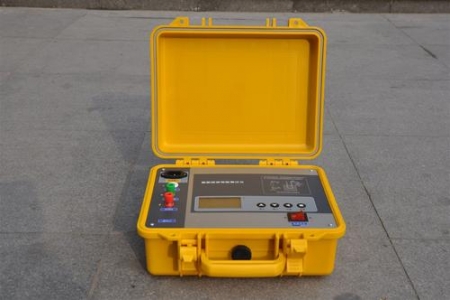
The high-voltage wireless phase detector is a device used in power systems to detect whether two lines are in-phase or out-of-phase.
Technical content regarding power testing equipment. [Article 40]
Main Applications
Phase Detection: Determines whether power lines at two different locations (such as transmission lines, substations, etc.) are in the same phase to avoid electrical accidents caused by phase inconsistency.
Voltage Level Detection: Measures and verifies voltage levels on different power lines to ensure compliance with expected standards.
Phase Sequence Check: Confirms the correct phase sequence of three-phase power sources, which is crucial for preventing electrical equipment failures such as motor reversal.
Working Principle
High-voltage wireless phase detectors typically use wireless transmission technology, allowing operators to perform safe operations from a distance. The workflow is generally as follows:
Signal Acquisition: Obtains electrical signals from the power line under test through sensors.
Signal Processing: Converts the acquired signals into digital signals and calculates the phase difference using built-in algorithms.
Data Transmission: Uses wireless communication technology to send processed data to a handheld receiver or mobile terminal.
Result Analysis: Determines whether two lines are in-phase based on received data and displays the results to the user.
Features and Advantages
High Safety: No direct contact with live parts, reducing the risk of electric shock.
Easy Operation: User-friendly design that is easy to master, even for non-professionals.
Efficient and Accurate: Completes phase detection tasks quickly and accurately, improving work efficiency.
Strong Adaptability: Suitable for power systems of various voltage levels, with a wide range of applications.
Notes
Before use, carefully read the product manual to understand the basic parameters and operating methods of the device.
Ensure the instrument is intact, especially the insulation parts. Any damage may affect measurement accuracy or even cause safety accidents.
Wear appropriate personal protective equipment during operation, such as insulating gloves and safety goggles.
Regularly calibrate and maintain the equipment to ensure it remains in optimal working condition.
Technical content regarding power testing equipment. [Article 40]