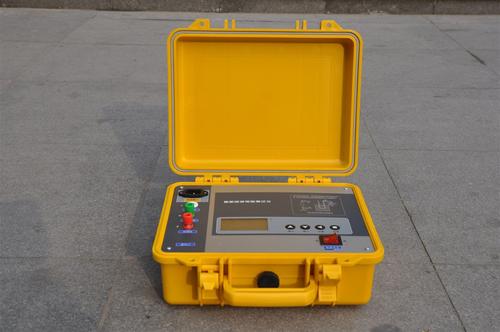
Dielectric Loss Tester, Also Called Tan Delta Tester or High-Voltage Dielectric Loss Tester
It is a precision instrument for measuring the dielectric loss tangent (tgδ) and capacitance (Cx) of electrical equipment insulation materials under AC voltage. It is an indispensable tool in the power industry for preventive testing, equipment maintenance, and materials science research.
The following is a summary of core information about this instrument:
1. Main Applications
Power Equipment Testing: Widely used for insulation performance testing of high-voltage equipment such as transformers, instrument transformers, bushings, capacitors, surge arresters, and power cables.
Fault Diagnosis: By measuring tgδ values, insulation moisture, aging, deterioration, or local defects can be effectively detected. Higher tgδ values indicate greater energy loss and poorer insulation performance.
Materials Research: In scientific research, used to determine the frequency-dependent characteristics of dielectric constant and dielectric loss of new materials (such as new inorganic metal materials and polymer materials).
2. Working Principle
Basic Physical Principle: Under AC voltage, the dielectric consumes part of the electrical energy and converts it to heat — this loss is called dielectric loss. There is a phase angle difference between voltage and current
tanδ (i.e., tgδ) to quantify this loss.
Measurement Method:
Bridge Method/Comparison Method: Internally equipped with high-stability standard capacitors (Cn) for comparative measurement with the test object (Cx).
Frequency Conversion Anti-Interference Technology: Modern instruments often use the variable frequency method (e.g., 45Hz/55Hz, 49Hz/51Hz) to avoid interference from on-site power frequency (50Hz) and its harmonics, extracting signals through Fourier transform or digital filtering technology, significantly improving measurement accuracy in strong electromagnetic interference environments.
Resonance Method/Capacitance Method: Some instruments used for materials research employ LC resonance or parallel plate capacitor models combined with high-precision impedance analysis technology.
3. Core Structure and Functional Features
Integrated Design: Built-in high-voltage boost power supply (typically up to 10kV output), standard capacitor, measurement circuit, and control panel, without requiring an external high-voltage source.
Multiple Connection Modes: Supports direct connection (both ends of the test object ungrounded), reverse connection (one end of the test object grounded), and CVT self-excitation method (specifically for capacitive voltage transformers).
Intelligent Operation:
Automatic range switching.
Chinese LCD display for direct reading of tgδ and Cx values without manual calculation.
Features printing, data storage, and communication functions.
Safety: Features multiple safety measures including over-voltage, over-current, and ground protection.
4. Typical Application Scenarios
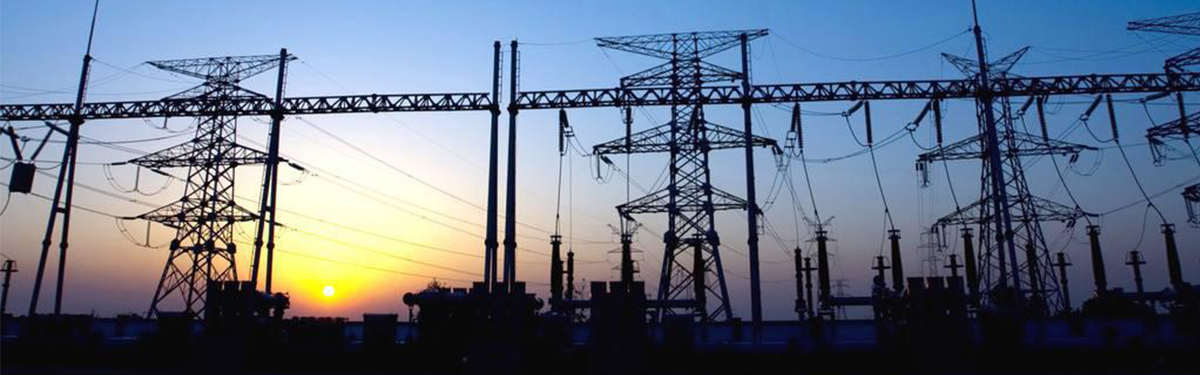
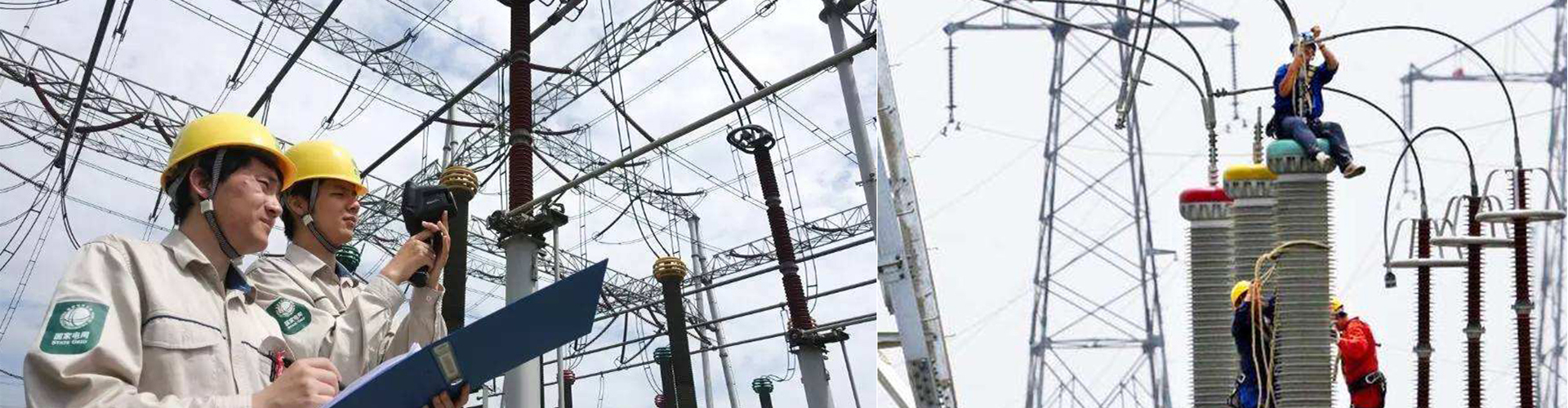
Substation Field Testing: Conducting outage preventive testing on operating high-voltage equipment.
Factory Testing: Electrical equipment manufacturers perform insulation quality control before product shipment.
Laboratory Research: Universities and research institutes conduct insulation material characteristic analysis.
5. Common Models and Technology Trends (2025-2026)
Current mainstream devices on the market (such as Yangzhou Haotai, Wuhan Huatian, Shanghai Shengxu, and other brands) are developing in the following directions:
Stronger Anti-Interference Capability: Adapts to more complex electromagnetic environments.
Broadband Measurement: Not limited to power frequency, capable of multi-frequency scanning to analyze insulation aging mechanisms.
Portability and Wireless: Smaller size, with some supporting wireless data transmission to mobile terminals.
If you need operating guides for specific models, specific test standards (such as DL/T 474.3), or procurement advice, please let us know.