Introduction to Loop Resistance Tester
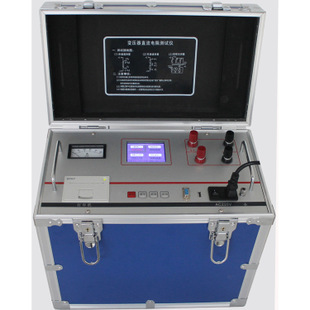
The loop resistance tester is a device specifically for measuring electrical equipment
Technical content regarding power testing equipment. [Article 43]
Main Applications
Contact Resistance Detection: Primarily used to detect the contact resistance of high-voltage electrical equipment such as circuit breakers, disconnect switches, and busbar joints, ensuring they are within safe limits.
Connection Quality Assessment: Evaluates the quality of electrical connections by measuring loop resistance values, promptly detecting issues such as looseness or corrosion.
System Stability Assurance: Helps ensure stable operation of power systems and reduces power outage incidents caused by electrical connection faults.
Working Principle
Technical content regarding power testing equipment. [Article 43]
Features and Functions
High-Precision Measurement: Provides highly accurate resistance measurement results, typically with resolution reaching micro-ohm levels.
High Current Output: To obtain accurate measurement results, some advanced models can output high currents of up to several hundred amperes.
Portable Design: Many modern loop resistance testers feature compact designs, making them easy to carry to the site for testing.
Data Storage and Analysis: Equipped with data storage capabilities, allowing test data to be transferred to a computer via USB interface or Bluetooth technology for further analysis.
Usage Precautions
When using a loop resistance tester, the following points should be noted:
Ensure the tester and the equipment under test are properly grounded to avoid electric shock hazards.
Select an appropriate test current based on the test object; excessive current may cause equipment damage.
Regularly calibrate the tester to ensure the accuracy of measurement results.
Technical content regarding power testing equipment. [Article 43]