Online Partial Discharge Tester: A Key Tool for Monitoring the Insulation Condition of Power Equipment
Introduction
With the continuous development of modern power systems, the requirements for electrical equipment safety and reliability are increasingly higher. Partial discharge (PD) is one of the common defect manifestations in power equipment insulation systems, which may cause major failures or even power outages. To effectively prevent equipment damage caused by partial discharge, online PD testers have emerged and have been widely adopted in recent years. They can perform real-time monitoring and analysis of operating electrical equipment, providing a scientific basis for equipment maintenance.
1. What is Partial Discharge?
Partial discharge refers to the phenomenon of localized breakdown occurring without complete breakdown when certain defects or impurities exist inside insulation material under high voltage. It commonly occurs in equipment such as high-voltage cables, transformers, switchgear, and GIS combination devices. Although the energy of a single discharge is relatively small, long-term accumulation can lead to insulation aging and ultimately cause equipment failure.
2. Working Principle of Online Partial Discharge Testers
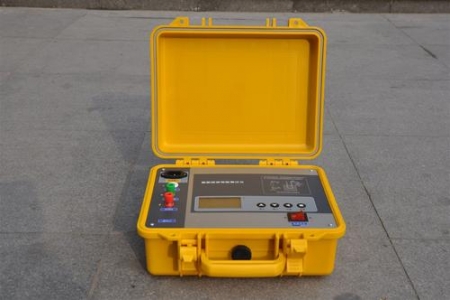
The Online Partial Discharge Tester is a specialized instrument for detecting partial discharge activity in electrical equipment under operating conditions. Its working principle is mainly based on the following aspects:
Signal Acquisition: Discharge signals are collected through high-frequency current transformers (HFCT), ultrasonic sensors, and ultra-high frequency (UHF) antennas.
Signal Processing: Raw signals are filtered, amplified, digitized, and then analyzed.
Feature Recognition: Algorithms are used to identify discharge types (such as corona discharge, internal discharge, surface discharge, etc.) and evaluate discharge intensity and location.
Data Display and Alarm: Results are displayed in graphical or numerical form, with early warning or alarm signals issued when abnormalities occur.
3. Main Features of Online Partial Discharge Testers
Real-Time Monitoring Capability: Enables continuous monitoring under normal equipment operating conditions, avoiding losses from shutdown inspections.
Multi-Channel Synchronous Analysis: Supports simultaneous connection of multiple sensors, improving positioning accuracy and diagnostic precision.
Intelligent Diagnostic System: Built-in expert database that automatically identifies discharge types and severity, assisting O&M personnel in decision-making.
Remote Communication Interface: Can connect to SCADA systems or cloud platforms via wired or wireless means for remote monitoring and data analysis.
Strong Anti-Interference Capability: Uses advanced noise reduction technology and filtering algorithms to adapt to measurement needs in complex electromagnetic environments.
4. Application Scenarios
Online partial discharge testers are widely used in the following areas:
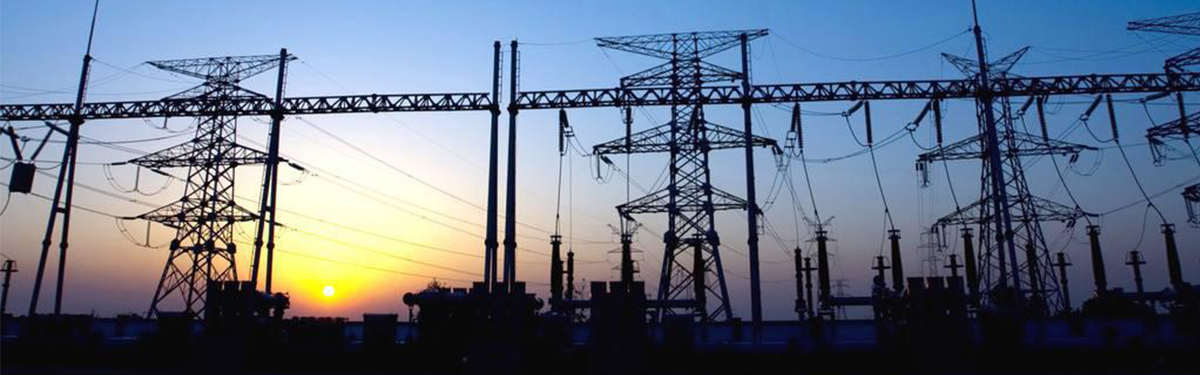
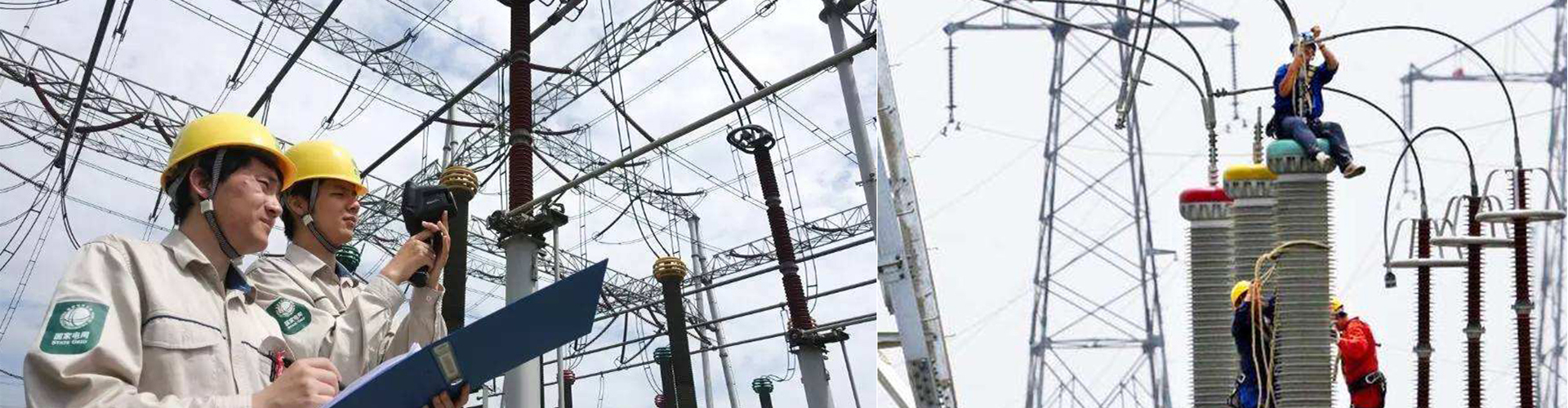
Substations: Real-time monitoring of key equipment such as transformers, GIS, and switchgear.
Wind Farms/Photovoltaic Power Stations: Ensuring safe and stable operation of new energy grid-connected equipment.
Rail Transit: Used for condition monitoring of cables and equipment in traction power supply systems.
Petrochemical and Metallurgical Industries: Insulation condition assessment of large motors and generators in high-temperature and high-pressure environments.
5. Advantages and Significance
Improving Equipment Reliability: Early detection of potential insulation defects to prevent sudden failures.
Reducing O&M Costs: Transitioning from traditional periodic maintenance to condition-based maintenance, reducing unnecessary downtime.
Extending Equipment Life: Optimizing equipment service life through continuous monitoring and delaying the aging process.
Promoting Intelligent O&M: Combining big data and AI technology to build smart grid O&M systems.
6. Development Trends
With the development of IoT, AI, and edge computing technologies, Online Partial Discharge Testers are evolving in the following directions:
Integration and Miniaturization: More compact equipment structure for easier installation in confined spaces.
Intelligent Upgrade: Introducing deep learning algorithms for higher precision pattern recognition and trend prediction.
Cloud-Based Collaborative Management: Achieving cross-regional, multi-site centralized monitoring and data analysis through cloud platforms.
Standardization and Compatibility Enhancement: Unified interface protocols to enhance interoperability with other systems.