Features of High-Voltage Wireless Phase Detector
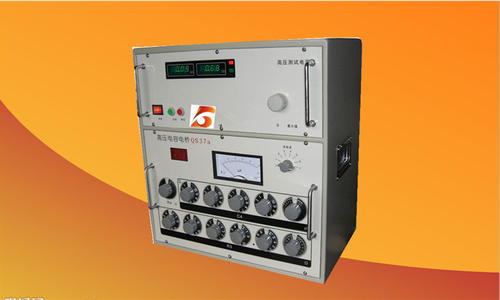
The High-Voltage Wireless Phase Detector is a specialized instrument for detecting the phase relationship between different high-voltage lines in power systems. It uses wireless communication technology to compare voltage phases at two or more points to determine whether they are in phase or have a certain phase difference. This testing is crucial for ensuring safe operation and correct connection of power systems, especially during new construction, expansion, or maintenance of power facilities.
Features of High-Voltage Wireless Phase Detector
Wireless Transmission: Uses radio waves for data transmission, avoiding the limitations of traditional wired methods and making operation more flexible and convenient.
High-Precision Measurement: Can provide precise phase angle measurements, typically with very small error margins, ensuring data reliability.
Remote Operation: Supports long-distance operation, increasing operator safety, especially important when handling high-voltage equipment.
Automatic Identification and Matching: Some advanced models feature automatic identification, automatically searching for and matching corresponding signal sources, simplifying the operation process.
Multi-Function Display: Equipped with a clear LCD display that directly shows measurement results and other relevant information such as frequency and voltage level.
High Durability: Considering potentially harsh field environments, these instruments are typically designed to be quite robust, with waterproof and dustproof functions.
Application Areas
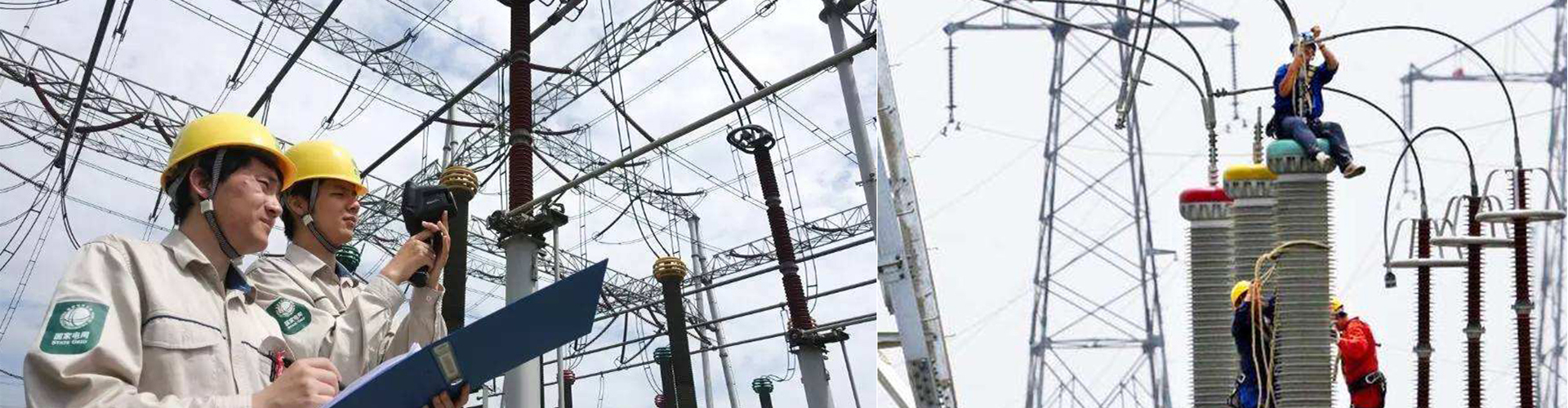
Power Industry: Used to check whether phases between lines are consistent before commissioning new substations or transmission lines, or after maintenance of power facilities.
Industrial Manufacturing: Ensuring correct connections between various power supply nodes during construction or renovation of internal power grids in large factories.
Building Construction: Verifying the safety and correctness of power distribution systems during the electrical engineering acceptance phase in buildings.
Technology Development Trends
With technological development, High-Voltage Wireless Phase Detectors are continuously advancing:
Increased Intelligence: Integrating more intelligent functions such as self-diagnosis and data analysis, improving work efficiency and accuracy.
Enhanced Miniaturization and Portability: To meet the needs of field operations, designs trend toward lightweight and compact forms for convenient carrying.
Higher Safety: In addition to basic safety protection measures, more ergonomic design elements are incorporated to further ensure user safety.
Selection Recommendations
When selecting a High-Voltage Wireless Phase Detector, the following aspects should be considered:
Whether measurement accuracy meets actual requirements;
The operating frequency range and maximum measurement distance of the device;
Whether it is easy to operate, especially whether the user interface design is intuitive and user-friendly;
Durability and environmental adaptability, especially for outdoor or extreme condition use;
Cost-effectiveness ratio, comprehensively considering the balance between price and performance.
In summary, High-Voltage Wireless Phase Detectors are important tools in power system construction and maintenance. By using such equipment, the safe and stable operation of power networks can be effectively ensured, preventing accident risks caused by phase errors.