High-Voltage Wireless Phase Detectors: An Important Tool for Ensuring Safe and Stable Power System Operation
In the installation, repair, and maintenance of power systems, phase verification is a critically important task. It is primarily used to determine the phase relationship between different power sources to ensure correct wiring of the power system and prevent equipment damage or safety accidents caused by phase sequence errors. As an efficient and safe phase verification tool, High-Voltage Wireless Phase Detectors have been widely adopted in the modern power industry.
I. Introduction
With the growth of power demand and technological advancement, the scale and complexity of power systems continue to increase. Accurate phase verification is critical for ensuring the safe and stable operation of power systems. Traditional phase verification methods often require direct contact with high-voltage lines, posing certain risks. High-Voltage Wireless Phase Detectors, through wireless communication technology, achieve non-contact phase comparison, greatly improving work safety and efficiency.
II. Main Functions of High-Voltage Wireless Phase Detectors
High-Precision Measurement: Capable of accurately measuring and displaying the phase difference between two or more high-voltage power sources, typically with a very small error margin.
Wireless Communication Technology: Utilizes advanced wireless transmission technology to complete phase verification without contacting high voltage, ensuring operator safety.
Wide Voltage Adaptability: Suitable for power lines of different voltage levels from low to high voltage (e.g., 10kV, 35kV, etc.).
Strong Anti-Interference Capability: Designed with complex electromagnetic environments in mind, maintaining good performance under strong electromagnetic interference and providing reliable measurement results.
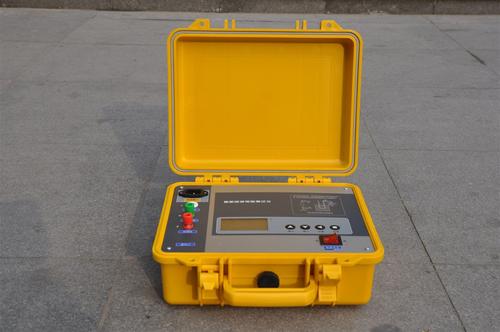
Portable Design: Compact size and lightweight, easy to carry to different sites for operation.
User-Friendly Interface: Equipped with an intuitive operating interface, supporting LCD display or touchscreen operation, and capable of connecting to external devices via Bluetooth or USB for convenient data transfer and analysis.
Multiple Safety Protections: Including over-voltage protection, over-current protection, and various other protection mechanisms to ensure safety during testing.
III. Application Scenarios
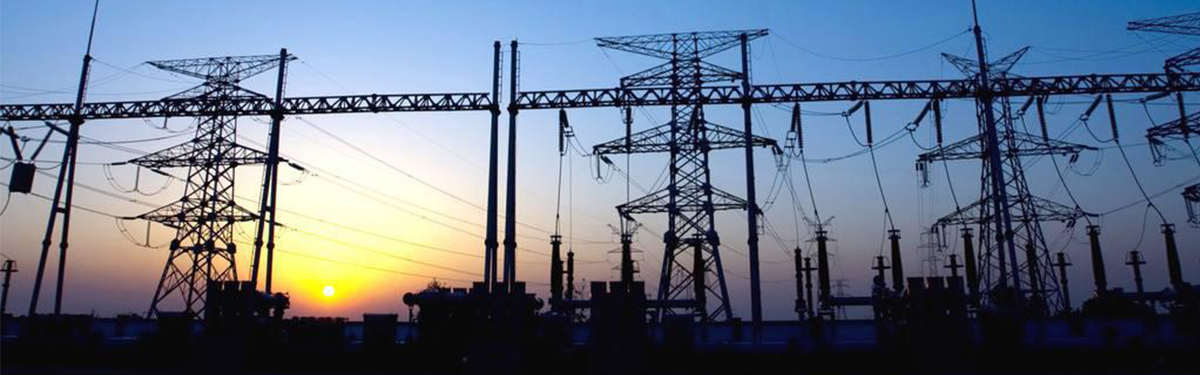
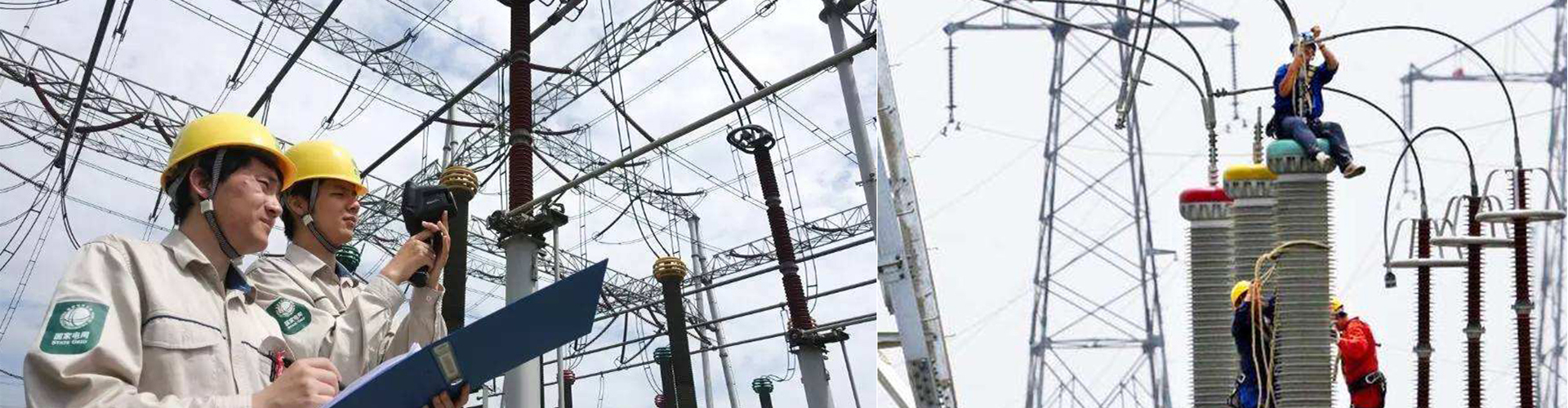
Substation Construction and Renovation: When building or renovating substations, newly connected high-voltage cables must undergo phase verification to ensure correct phase sequence connection.
Grid Maintenance: Periodically check the phase status in the grid to prevent potential safety hazards.
Emergency Repair: After a power fault occurs, the phase condition of relevant lines must be confirmed before restoring power to prevent phase-to-phase short circuit accidents.
Industrial Power Testing: Used for installation, commissioning, and daily maintenance of internal power systems in large factories to ensure safe and reliable power supply.
IV. Conclusion
High-Voltage Wireless Phase Detectors are indispensable testing tools in modern power systems. They not only improve the efficiency and accuracy of phase verification but also significantly enhance operational safety. Facing the evolving demands of the power industry, High-Voltage Wireless Phase Detectors will continue to develop toward intelligence and integration, providing users with more efficient and convenient services. Both power companies and related research and educational institutions should value and fully utilize this tool to enhance their technical capabilities and service quality. By using High-Voltage Wireless Phase Detectors, the safe and stable operation of power systems can be effectively ensured, promoting socio-economic development.