Dielectric Loss Tester: Principles, Applications, and Technical Advances
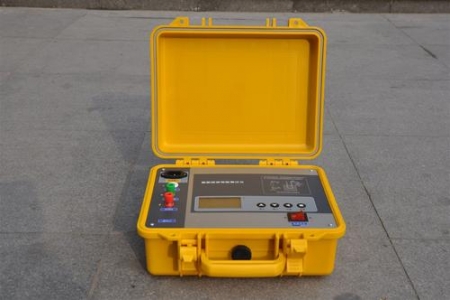
The Dielectric Loss Tester is a key device for evaluating the electrical performance of insulating materials, primarily used to measure the energy loss of dielectrics under alternating electric fields. This testing is crucial for ensuring the safe operation of various equipment in power systems, effectively detecting issues such as insulation aging and moisture ingress. This article will detail the working principle, main application scenarios, and latest technological trends of Dielectric Loss Testers.
1. Working Principle
Dielectric loss refers to the energy loss caused by dielectric polarization and conduction phenomena when insulation materials are under AC voltage. Dielectric loss testers measure through the following steps:
Apply Voltage: Apply an AC voltage of known frequency (typically 50Hz or 60Hz) to the test sample.
Measure Current: Record the total current passing through the sample, including capacitive and resistive components.
Calculate Dielectric Loss Tangent (tanδ): tanδ is a measure of the ratio between dielectric constant and conductivity, reflecting the energy loss situation within the material. It can be determined by comparing the active power (caused by resistive current) and reactive power (caused by capacitive current) of the sample.
2. Main Functions and Application Areas
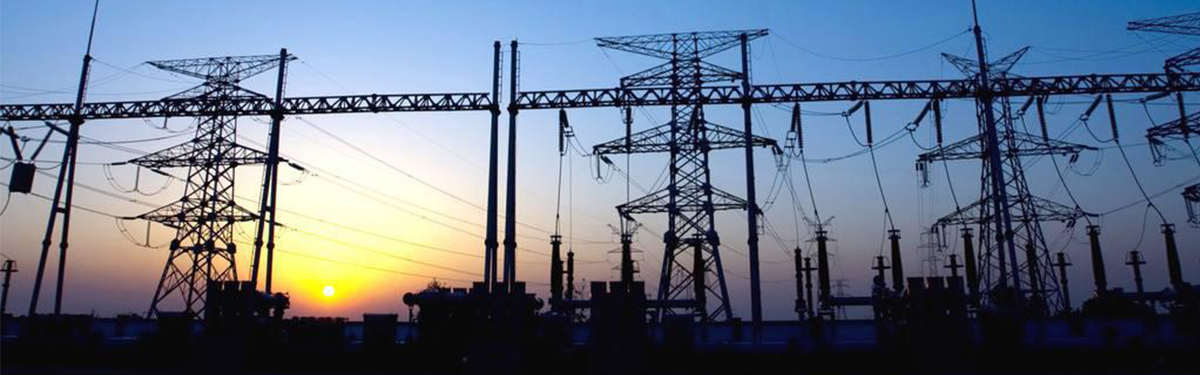
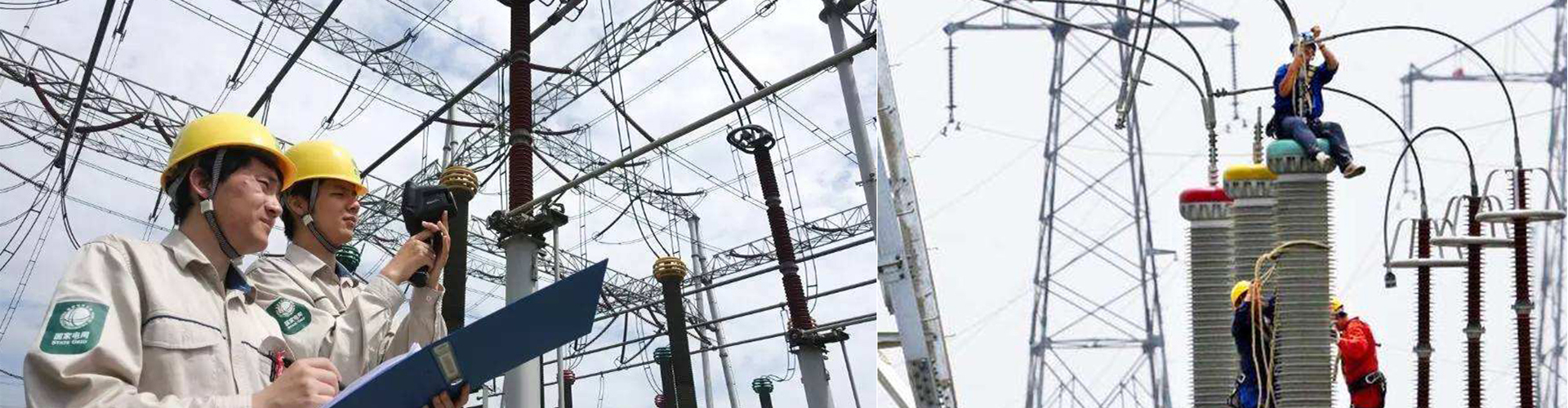
Power Equipment Maintenance: Regularly checks the insulation condition of high-voltage equipment such as transformers and cables, promptly identifying potential problems.
Industrial Production: Conducts quality control on new materials or finished products during the manufacturing process to ensure compliance with design requirements.
Scientific Research Experiments: Supports the research and development of new materials, such as testing the performance of new insulation materials and their behavior under different conditions.
Fault Diagnosis: Helps identify fault points in power systems, such as damage caused by partial discharge or moisture ingress.
3. Technical Features
High-Precision Measurement: Uses advanced electronic technology and algorithms to provide precise dielectric loss values.
Wide Frequency Response: Can adapt to different test frequency ranges to meet various testing requirements.
Portable Design: Many modern dielectric loss testers feature compact and lightweight designs suitable for on-site work.
Automation Functions: Features automatic calibration, data storage and analysis, and other functions to simplify operation procedures.
4. Development Trends
With technological development, dielectric loss testers are undergoing important improvements and development directions:
Intelligence: Integrates intelligent diagnostic systems that can not only detect problems but also provide solution recommendations.
Miniaturization and Portability: Further reduces size and weight, making them easier to carry to various complex environments for testing.
Remote Monitoring: Achieves remote data access and real-time monitoring through internet connectivity, improving work efficiency.
Multi-Function Integration: Combines with other types of test instruments to form comprehensive testing platforms, enhancing overall performance.
Conclusion
As an important tool for evaluating the electrical performance of insulating materials, the Dielectric Loss Tester plays an indispensable role in ensuring the safe and stable operation of power systems. By accurately measuring the dielectric loss of insulating materials, it helps enterprises prevent major accidents, reducing economic losses and social impacts. Whether for professionals engaged in power engineering or technical personnel involved in scientific research, understanding the working principle and application scope of Dielectric Loss Testers is essential.
If you would like to learn more specific information about dielectric loss testers, including the latest technological advances or specific application scenarios, please feel free to ask your questions!