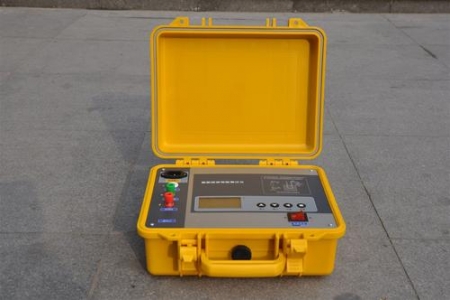

Loop Resistance Tester: A Key Tool for Ensuring Safe and Reliable Electrical Connections
Introduction
In power systems and industrial equipment, the magnitude of loop resistance (contact resistance) directly affects system stability and safety. High loop resistance can lead to overheating, arc faults, and even fires. Therefore, using a Loop Resistance Tester to regularly check the resistance values of electrical connection points is crucial. This article will detail the working principle, application areas, and importance of Loop Resistance Testers.
1. Working Principle
The Loop Resistance Tester is primarily used to measure contact resistance between conductors or resistance on low-resistance paths. Its basic principle is to apply a known DC current to the circuit under test and measure the resulting voltage drop to calculate the resistance value. According to Ohm's Law
I is the current.
This is one of the most commonly used measurement methods, using two leads to provide test current and two additional leads to measure voltage drop. This method eliminates the influence of lead resistance, yielding more accurate results.
Micro-ohmmeter
For very small resistance values (such as milliohm or micro-ohm levels), specially designed micro-ohmmeters can provide higher accuracy and resolution.
Pulse Testing
Some advanced testers use pulse technology, applying high current over short durations to avoid heating effects that could influence measurement results.
II. Application Areas
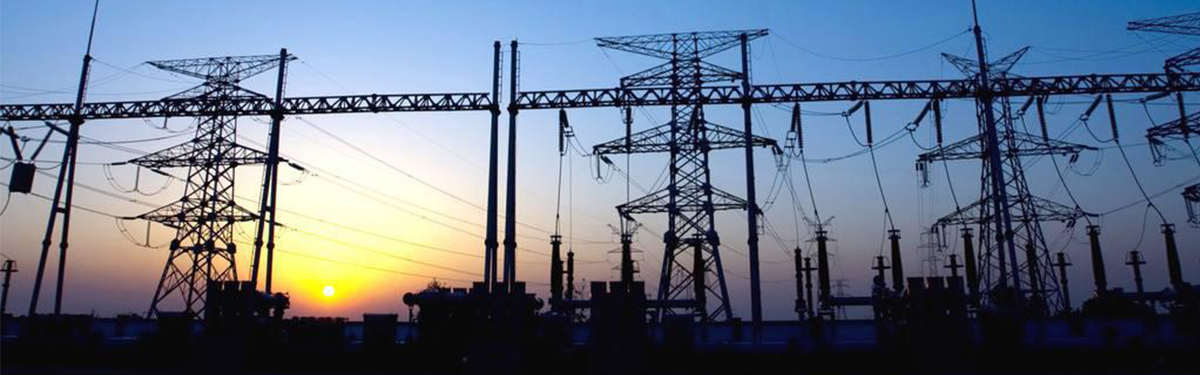
Power Systems: Resistance monitoring of critical components such as switches, circuit breakers, and busbar connections in substations, power plants, and distribution networks.
Rail Transit: Joint inspection for railway signaling systems, subway power supply facilities, etc.
Manufacturing: Welding quality control and electrical connection verification during mechanical assembly processes.
Construction Industry: Safety inspection of electrical devices such as distribution boxes and sockets inside buildings.
Automotive Industry: Resistance evaluation of vehicle battery terminals and various connectors in engine compartments.
III. Importance and Advantages
Accident Prevention: Timely detection and resolution of high-resistance connection points to prevent safety hazards caused by overheating.
Efficiency Improvement: Optimize the quality of electrical connections, reduce energy losses, and enhance overall system operating efficiency.
Extended Lifespan: By maintaining good contact conditions, slow down equipment aging and reduce maintenance costs.
Standards Compliance: Ensure electrical installations comply with relevant regulations and technical specifications, safeguarding user rights.
IV. Selection and Usage Considerations
Range: Select a tester with an appropriate range based on actual needs to ensure all possible resistance values can be covered.
Accuracy Requirements: For precision applications, choose instruments with higher accuracy and resolution.
Ease of Operation: Consider portability, ease of setup, and data readability.
Safety Protection: Ensure the tester has adequate protective measures such as overload protection and short-circuit protection to ensure user safety.
Calibration and Maintenance: Regularly calibrate and maintain the tester to ensure long-term stable and reliable operation.
V. Technological Innovation and Development
With the advancement of technology, modern Loop Resistance Testers are developing in the following directions:
Intelligence: Integrated automatic diagnostic functions that can quickly identify abnormal conditions and provide recommendations.
Portability: More lightweight and compact designs, making it easier for field operators to carry and operate.
Multifunctionality: In addition to traditional resistance measurement, added monitoring capabilities for parameters such as temperature and humidity.
Eco-Friendly: Using high-efficiency, energy-saving power management systems to reduce energy consumption, aligned with green development concepts.
Conclusion
In summary, the Loop Resistance Tester is not only an important tool for ensuring electrical connection safety but also an indispensable part of improving system performance and reliability. Facing increasingly complex application scenarios and technical challenges, staying informed about the latest developments in this field will help us better respond to future changes.
This article provides a comprehensive introduction to Loop Resistance Testers, covering their working principle, application areas, and importance. I hope this provides useful information for your writing. If you have any specific needs or wish to explore a particular aspect in depth, please feel free to let us know!