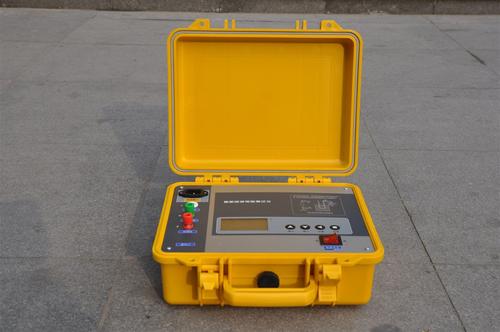
Dielectric Loss Tester (Dielectric Dissipation Factor Tester, abbreviated as DDF Tester)
is a professional instrument used to measure the dielectric loss tangent (tanδ) and capacitance of insulating materials under alternating electric fields. It is widely used in preventive maintenance, quality control, and scientific research of power equipment, and is of great significance for evaluating the insulation condition of electrical equipment and detecting early signs of aging. The following is a detailed introduction to the Dielectric Loss Tester:
Working Principle
The Dielectric Loss Tester calculates the dielectric loss tangent (tanδ) by applying an AC voltage at a certain frequency to the test object and measuring the resulting current phase difference. Specifically, when AC voltage is applied to insulating material, polarization phenomena and conductive losses within the material cause a phase difference θ between current and voltage, and the dielectric loss angle δ = 90° - θ. tanδ is an important parameter for measuring the energy loss of insulating materials; the smaller its value, the lower the energy loss of the material and the better the insulation performance.
In addition, the Dielectric Loss Tester can simultaneously measure capacitance (C), which is equally important for understanding the structural characteristics of the insulation system.
Main Functions and Features
High Precision Measurement: Uses advanced digital signal processing technology to ensure highly accurate measurement results for tanδ and C.
Wide Frequency Response: Adaptable to testing needs from power frequency to high frequency ranges, suitable for evaluating different types of insulating materials.
Automatic Range Switching: Automatically selects the appropriate range based on actual measurement conditions, simplifying operation procedures.
Temperature Compensation: Built-in temperature sensor or external interface support, allowing temperature correction to eliminate the impact of ambient temperature changes on measurement results.
Data Storage and Transmission: Supports large-capacity data recording and can transmit data to a computer via USB, RS-232, or other communication interfaces for further analysis.
Portable Design: Many models feature compact and lightweight designs, easy to carry to the site for outdoor operations.
Multiple Protection Mechanisms: Features overvoltage and overcurrent protection to ensure operator safety and equipment integrity.
User-Friendly Interface: Equipped with graphical display interface and simple button operations for convenient parameter setting and result viewing.
Application Areas
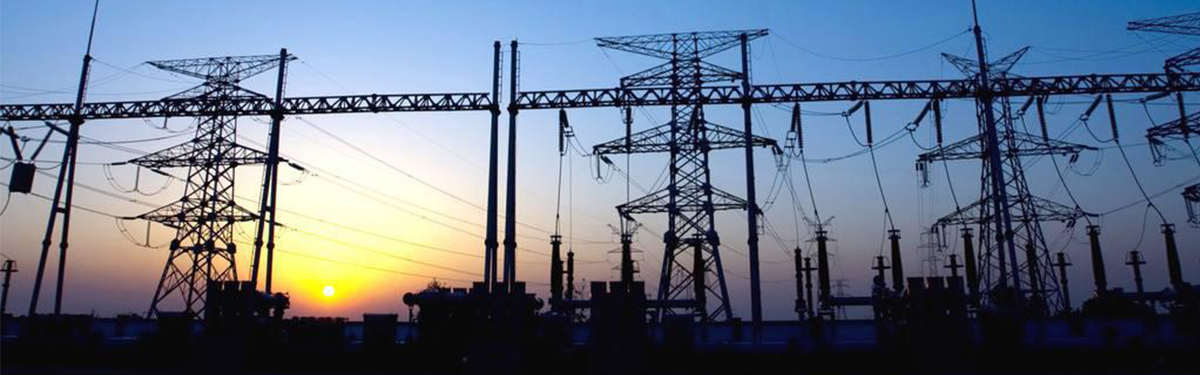
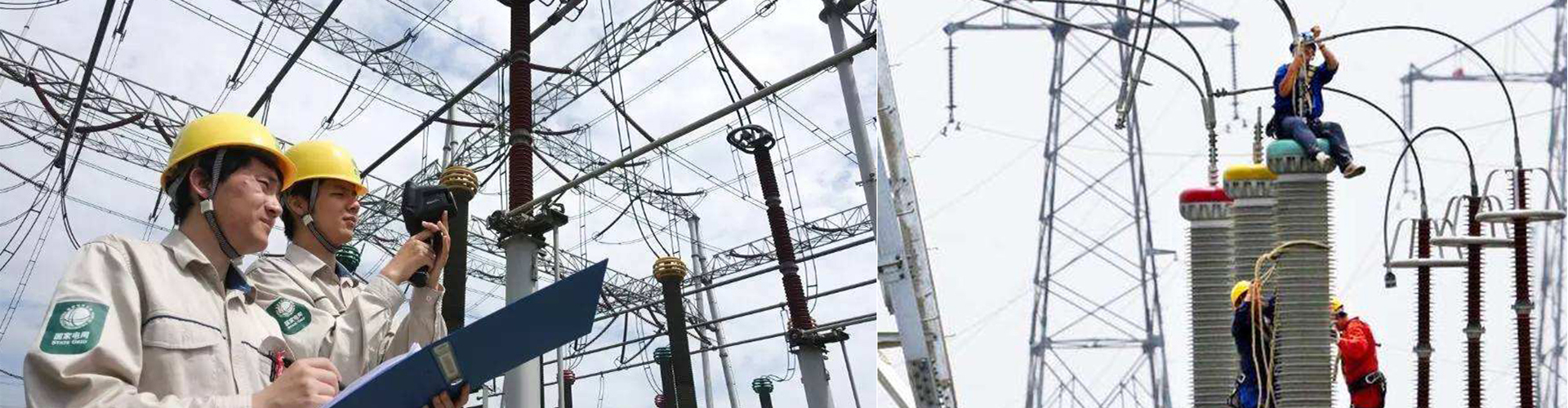
Power Industry: Facilities such as power plants, substations, and distribution stations use Dielectric Loss Testers to regularly inspect the insulation condition of critical equipment such as transformers, instrument transformers, and bushings to prevent failures caused by insulation degradation.
Manufacturing: Factory production lines use this instrument to inspect finished product quality, such as whether the insulation performance of cables, capacitors, and other products meets standards.
Electrical Equipment Maintenance: Regularly perform dielectric loss testing on high-voltage electrical equipment to monitor insulation condition trends and promptly identify potential issues.
Scientific Research and Education: Laboratories study the electrical properties of new insulating materials, or use as teaching tools to help students understand dielectric loss theory.
Usage Precautions
Correct Wiring: Ensure all connections are correct to avoid dangerous or inaccurate results caused by incorrect wiring.
Safety Protection: Operators should wear appropriate personal protective equipment (PPE), such as insulating gloves and boots.
Warm-Up Time: Some high-end models may require a certain warm-up time to reach optimal working condition; follow the manual instructions.
Regular Calibration: To maintain measurement accuracy, perform calibration and maintenance at intervals recommended by the manufacturer.
Environmental Conditions: Ensure the working environment meets equipment requirements, such that factors like temperature and humidity do not adversely affect testing.
Future Development Trends
With technological advancement, future Dielectric Loss Testers may develop in the following directions:
Increased Intelligence: Introducing more automation features such as remote monitoring and fault diagnosis to simplify operation procedures.
Multi-Function Integration: Developing comprehensive testing platforms that integrate multiple testing functions to meet broader application needs.
Eco-Friendly Design: Optimizing hardware structure and operating modes to reduce energy consumption and environmental impact.
Big Data Application: Combining emerging technologies such as IoT and cloud computing to achieve massive data analysis and predictive maintenance, further improving work efficiency and service quality.
If you are writing an article about Dielectric Loss Testers, the above content should provide you with a comprehensive and in-depth understanding. If you have more specific topics or details to explore, please feel free to let us know.