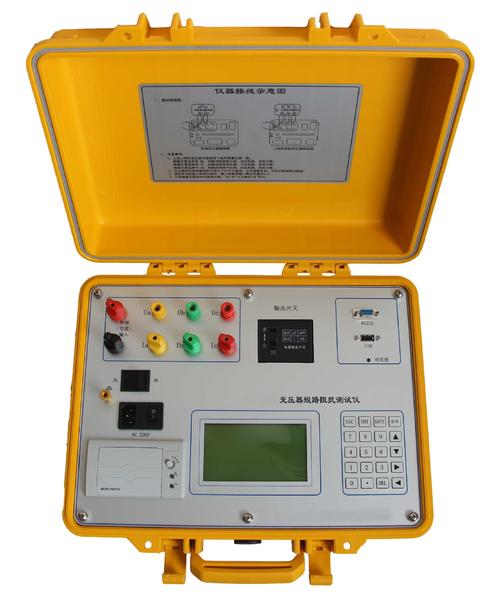
Definition: Explaining what Dielectric Loss is
and the dielectric loss tangent (tan δ) as a key parameter for measuring the energy loss of insulating materials.
Importance: Emphasize the significance of dielectric loss testing for evaluating the health condition of electrical equipment, especially its role in preventing failures and extending service life in high-voltage equipment such as transformers and capacitors.
2. Working Principle
Theoretical Basis: Based on the energy loss mechanism of dielectrics in AC circuits, explain the physical meaning of the dielectric loss tangent (tan δ).
Measurement Methods: Describe how to apply AC voltage to the test sample, measure the resulting current phase difference, and calculate the dielectric loss tangent (tan δ). Includes comparative analysis of multiple measurement techniques such as impedance method and power factor method.
3. Technical Specifications and Performance Indicators
Key Parameters: List common technical parameters of Dielectric Loss Testers, such as frequency range, voltage level, measurement accuracy, resolution, temperature compensation capability, etc.
Performance Characteristics: Discuss the impact of these parameters on test results, helping users select testing equipment suitable for specific application scenarios.
4. Application Areas
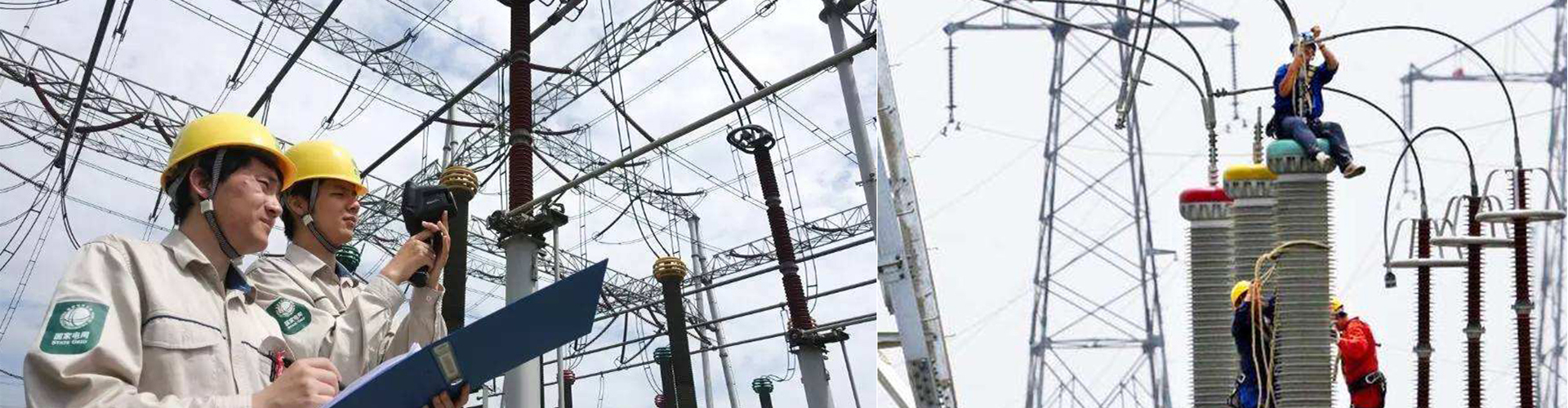
Power Equipment Testing: Used for preventive maintenance of transformers, capacitors, cables, etc., ensuring their long-term stable operation.
Materials Research: Evaluate the performance of new insulating materials, supporting R&D work, especially in applications for new energy and high-efficiency electrical appliances.
Quality Control: Ensure insulating components in the production process meet standard requirements, improving product quality and reliability.
5. Selection Guide
Considerations: Provide key factors to consider when purchasing a Dielectric Loss Tester, such as applicable test objects, required measurement accuracy, portability, automation level, cost-effectiveness, etc.
Recommended Brands and Models: Based on market research, recommend high-quality products from well-known brands and briefly introduce their features and advantages.
6. Testing Methods and Practice
Operating Procedures: Share the standard process for conducting tests using a Dielectric Loss Tester, from preparation to actual operation to data recording, ensuring each step is performed accurately.
Safety Measures: Emphasize safety precautions when using a Dielectric Loss Tester, such as proper grounding, wearing protective equipment, following operating procedures, etc., to minimize risks.
7. Common Problems and Solutions
Troubleshooting: Summarize issues that may arise during the use of a Dielectric Loss Tester, such as abnormal readings and poor connections, and provide corresponding solutions or debugging suggestions.
Maintenance: Discuss how to properly maintain and service a Dielectric Loss Tester to ensure long-term stable operation. For example, regular calibration, cleaning and lubricating moving parts, replacing worn components, etc.
8. Technological Innovation and Development
Latest Advances: Explore the most recent technological progress in the field of dielectric loss testing, such as integration of intelligent control systems, support for wireless communication functions, new methods to improve measurement speed and accuracy, etc.
Future Trends: Look ahead to future developments in this field, such as more efficient testing algorithms, more portable designs, and integration with IoT technology.
9. Standardization and Regulatory Compliance
International Standards: Discuss requirements of international and national standards for connection clamps, introduce relevant standard documents (such as IEC, IEEE, etc.), and emphasize the importance of following standards.
Certification and Compliance: Explain the significance of common certification marks on the market, such as CE, UL, etc., ensuring that products purchased by users comply with local laws and regulations.
Conclusion
Conclusion: Review the core content of Dielectric Loss Testers, reiterating their important role in ensuring the safe and reliable operation of power systems.
Call to Action: Encourage readers to pay attention to and invest in advanced dielectric loss testing technology and equipment to enhance their business capabilities and technical competitiveness.
If you need to explore a specific part in depth or have other special requirements, please feel free to let us know.