Device for Ground Faults and Other Electrical Faults
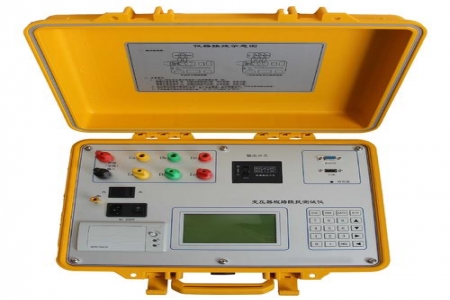
A Cable Fault Tester is a device specifically designed to detect short circuits, open circuits, ground faults, and other electrical faults in power cables or communication cables. These instruments are crucial for ensuring the reliability and safety of cable systems, and are widely used in power transmission and distribution networks, industrial automation control systems, rail transit, and other fields. Below is an article overview about Cable Fault Testers.
Introduction to Cable Fault Testers
A Cable Fault Tester is a professional tool capable of locating and diagnosing internal cable problems. When a cable fails, it not only affects normal power or data transmission but can also lead to safety hazards. Therefore, timely and accurate identification and repair of cable faults is key to maintaining the normal operation of power facilities.
Common Types
Time Domain Reflectometer (TDR): Determines fault location by sending pulse signals into the cable and measuring the reflected signals. This method is particularly suitable for detecting open circuits, short circuits, and impedance variations.
Audio Signal Generator and Detector: Used for tracing underground cable paths and locating cable break points. By applying an audio signal at a specific frequency to the cable and then using a detector to track the signal.
High Voltage Flashover Method (HVFL): For high-impedance faults, a high-voltage source is used to test the cable. When the voltage exceeds the breakdown voltage at the fault point, a flashover occurs, and the fault location is determined by measuring the time difference of the flashover.
Working Principle
Cable Fault Testers typically operate based on the principle of electromagnetic wave propagation. When a cable faults, electromagnetic waves reflect or refract at the fault point, and the reflected wave returns to the test port where it is captured and analyzed by the instrument. By calculating the arrival time and intensity of the reflected wave, the distance and nature of the fault point can be determined.
Application Scenarios
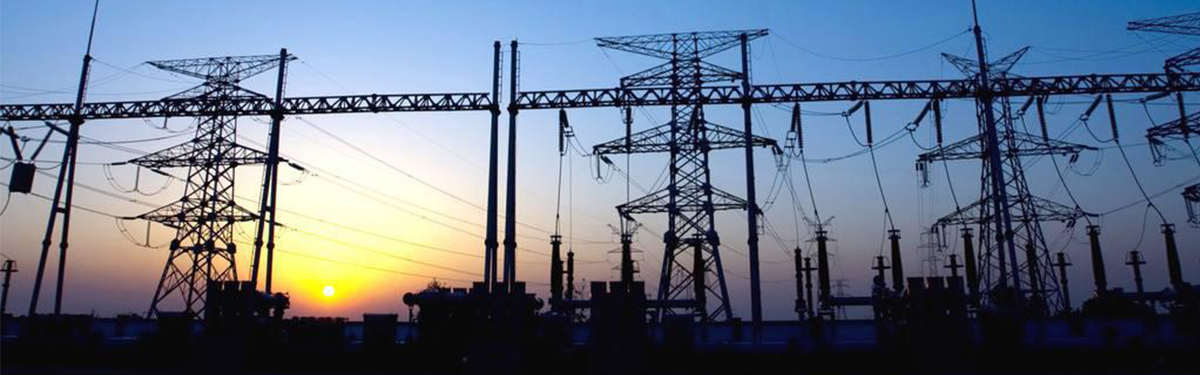
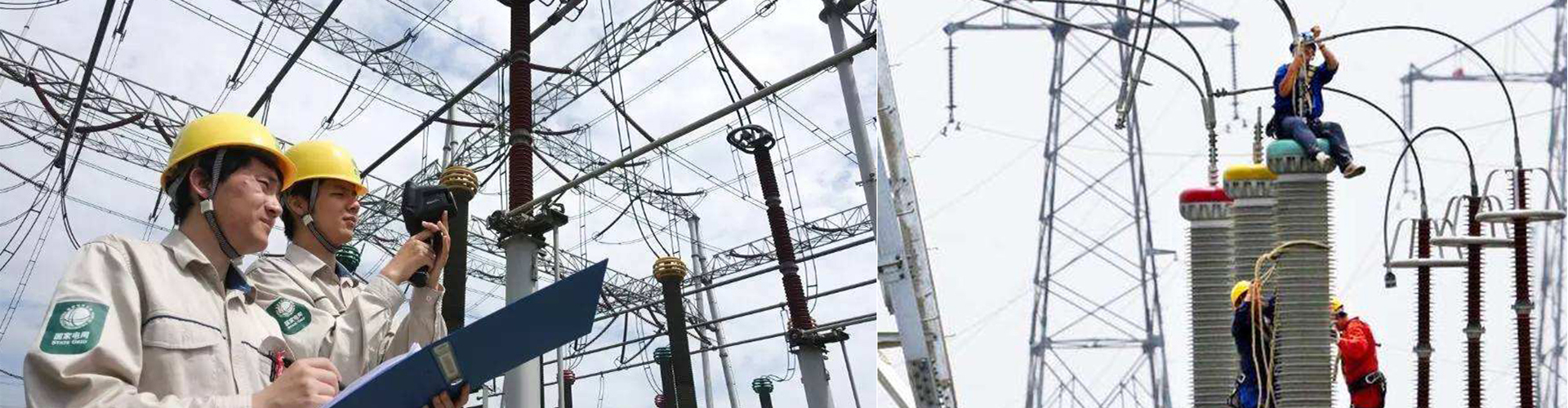
Power Industry: Used in substations, power plants, and transmission and distribution lines to quickly locate cable faults, reducing outage time and maintenance costs.
Rail Transit: Ensure fault-free cables in signaling systems and power supply systems, safeguarding train operation safety.
Industrial Automation: Within factories, used to maintain cable connections in automation control systems, ensuring stable production line operation.
Operating Steps
Preparation: Confirm that the cable has been de-energized and necessary safety protection measures are in place.
Select Appropriate Testing Method: Choose the most suitable testing approach based on cable type and expected fault conditions.
Execute Test: Perform test operations according to the selected method and record relevant data.
Data Analysis: Locate the fault point based on test results and evaluate the severity of the fault.
Fault Repair: Take appropriate measures to repair the cable based on analysis results.
Conclusion
Cable Fault Testers are an indispensable part of modern cable maintenance. They not only improve work efficiency but also greatly enhance the reliability of cable systems. With technological advancement, future Cable Fault Testers will become more intelligent, portable, and feature higher precision and stronger functionality.