
High-Voltage Cable Withstand Voltage Test: Inspecting Cable Insulation Performance
Introduction
High-voltage cables are an important component of power transmission networks, and their insulation quality directly affects the safe and stable operation of the power grid. To ensure that cables maintain good insulation condition over long periods, regular withstand voltage testing is essential. This article will detail the purpose, methods, and implementation precautions of high-voltage cable withstand voltage testing.
I. Purpose of Withstand Voltage Testing
The main purpose of the high-voltage cable withstand voltage test is to check the insulation performance of the cable, ensuring that the cable can withstand normal operating voltage as well as certain overvoltage without breakdown. This helps prevent short-circuit accidents caused by insulation damage and ensures the safe operation of power systems.
II. Methods of Withstand Voltage Testing
-
DC Withstand Voltage Test:
- Principle: Checks the insulation performance of the cable by applying a DC voltage several times higher than the rated cable voltage.
- Advantages: Can effectively detect local defects.
- Disadvantages: Has a certain damaging effect on the cable.
-
AC Withstand Voltage Test:
- Principle: Uses an AC voltage close to the normal operating conditions of the cable for testing.
- Advantages: Closer to actual conditions, with less impact on the cable.
- Disadvantages: Has higher equipment requirements and relatively higher cost.
-
Impulse Voltage Withstand Test:
- Principle: Simulates lightning strikes by applying brief pulse voltages.
- Advantages: Can effectively test the cable's resistance to lightning strikes.
- Disadvantages: Test conditions are demanding.
III. Test Procedures
-
Preparation Phase:
- Check whether the test equipment is in good condition.
- Verify the relevant parameters of the cable.
- Remove dirt and moisture from the cable surface.
-
Test Process:
- Connect the test equipment and the cable.
- Gradually increase the voltage to the predetermined value.
- Observe current changes and check for discharge phenomena.
- Record data.
-
Completion Phase:
- Slowly reduce the voltage to zero.
- Disconnect the power supply and release residual charge.
- Analyze test results.
IV. Precautions
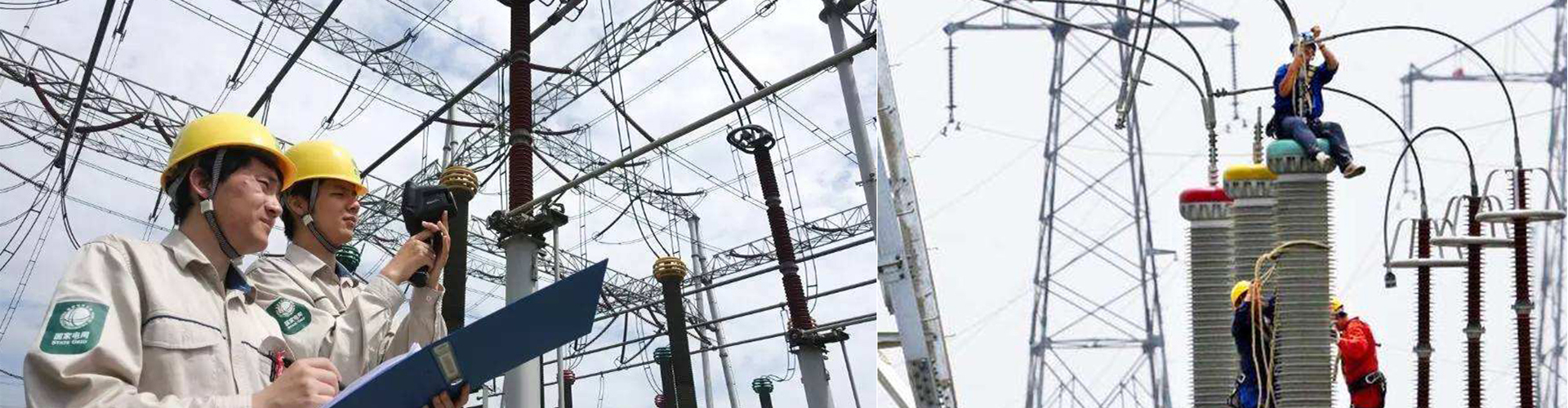
- Safety First: Ensure all operators wear appropriate personal protective equipment.
- Follow Procedures: Operate strictly according to test procedures to ensure the effectiveness and safety of the test.
- Environmental Factors: Pay attention to environmental conditions such as temperature and humidity, ensuring they meet test requirements.
- Equipment Selection: Use calibrated high-voltage test equipment to ensure the accuracy of test results.
- Complete Records: Record all data during the test process in detail for subsequent analysis.
Conclusion
High-voltage cable withstand voltage testing is an important inspection method that not only helps us promptly detect potential problems in cables but also ensures the long-term stable operation of power systems. Through scientifically sound testing methods and strict operating procedures, we can maximize the safety and reliability of cables.
I hope this article provides you with some basic knowledge about high-voltage cable withstand voltage testing. If you need more detailed technical information, it is recommended to refer to relevant professional literature or consult industry experts.