Transformer Ratio Tester: A Key Tool for Ensuring Stable Power System Operation
In the installation, maintenance, and repair of power systems, transformers serve as core equipment for voltage transformation, and their performance directly affects the stability and safety of the entire power grid. To ensure transformers operate normally and meet design requirements, transformer ratio testing is an essential step. This article provides a detailed introduction to the functions, working principles, and importance of Transformer Ratio Testers.
I. What Is a Transformer Ratio Tester?
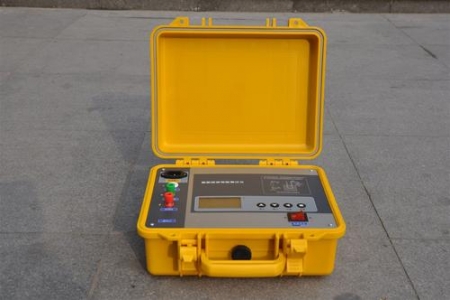
The transformer ratio tester is a professional device specifically designed to measure the voltage ratio between transformer windings. By precisely measuring the transformer ratio, it can verify compliance with design specifications and check for issues such as inter-turn short circuits or open circuits. This is crucial for ensuring the safe operation of transformers.
II. Working Principle
Transformer Ratio Testers are typically based on the following technical principles:
Voltage Ratio Method:
Apply a known small voltage to one side of the transformer.
Measure the output voltage on the other side and calculate the ratio relationship between the two sides to determine the turns ratio value.
Phase Difference Method:
Apply AC signals of the same frequency but with a certain phase difference to the primary and secondary windings of the transformer respectively.
Derive the transformer turns ratio based on the measured phase difference.
Automatic Ratio Measurement Technology:
Modern ratio testers mostly use microprocessor control, capable of automatically completing the entire process from signal generation and data acquisition to result analysis.
This method not only improves testing speed and accuracy but also simplifies the operation process.
III. Main Functions and Features
High-Precision Measurement: Advanced sensor technology and algorithms ensure highly accurate measurement results.
High Degree of Automation: A one-button operation interface allows even non-professionals to easily get started.
Multi-Functionality: In addition to basic ratio measurement, it can also detect parameters such as transformer polarity and winding connection group.
Portable Design: Considering the needs of field testing, many products adopt lightweight designs for easy carrying and use.
Data Storage and Transmission: Supports saving test data and uploading to computers via USB or other wireless communication methods for further processing.
4. Application Scenarios
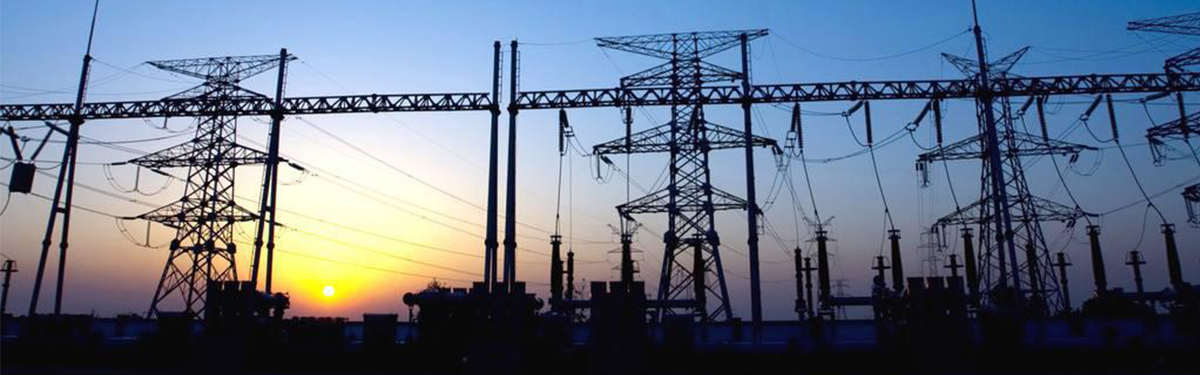
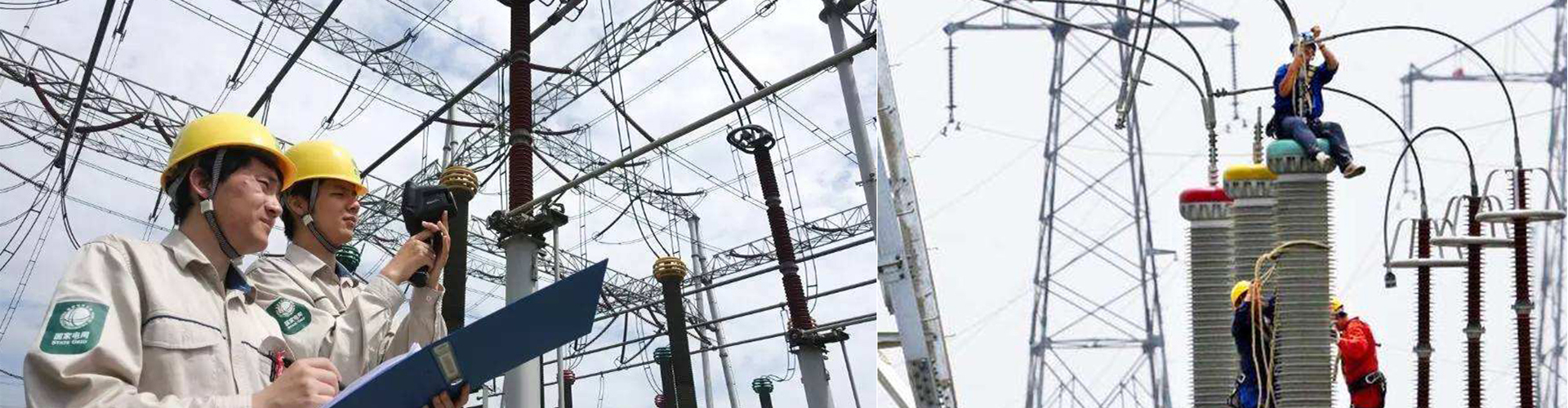
Power System Maintenance: Periodically perform ratio testing on transformers in substations to ensure they are in optimal working condition and detect potential problems in time.
New Equipment Acceptance: Perform ratio testing after new transformer installation to verify compliance with technical specifications.
Troubleshooting: When transformers exhibit abnormal conditions, ratio testing can help diagnose fault causes such as inter-turn short circuits.
Education and Training: Using Transformer Ratio Testers in schools or training institutions to provide students with practical opportunities and enhance understanding of theoretical knowledge.
5. Summary
As an important tool for ensuring the safe and stable operation of power systems, the Transformer Ratio Tester plays a key role in the lifecycle management of transformers. It not only helps identify potential electrical issues but also effectively prevents large-scale power outages caused by transformer failures. With technological advancements, these instruments are evolving towards greater intelligence and convenience, providing users with more efficient services. High-quality Transformer Ratio Testers provided by manufacturers such as Yangzhou Darui Electric Co., Ltd. are undoubtedly indispensable helpers in the power industry. Whether for power companies or industrial enterprises, proper use of this tool will positively impact their daily operation and maintenance work.