

Transformer Ratio Testing Strategies to Improve Power System Reliability
The transformer is one of the key devices in power systems, and its performance directly affects the stability and reliability of the power system. Transformer ratio testing is one of the important means to ensure normal transformer operating conditions. This article will explore the importance of transformer ratio testing, propose transformer ratio testing strategies to improve power system reliability, and demonstrate the application effects of these strategies through practical cases.
1. Introduction
The transformer is a core component of power systems, used to change AC voltage levels to meet the needs of different applications. The transformer ratio refers to the ratio of the high-voltage side voltage to the low-voltage side voltage, which is an important indicator of transformer performance. Accurate ratio is crucial for ensuring the normal operation of power systems. By regularly conducting transformer ratio tests, it can be ensured that transformers operate according to design requirements, avoiding system failures caused by ratio deviations.
2. Importance of Transformer Ratio Testing
Ensure System Stability: Accurate ratio helps maintain the voltage level of the power system, avoiding damage to equipment caused by voltage fluctuations.
Prevent Fault Occurrence: Regular testing can promptly detect ratio deviations, avoiding problems such as overloads or short circuits caused by these deviations.
Improve Power Supply Quality: Accurate ratio helps reduce voltage distortion and improve power supply quality.
Extend Equipment Life: Through preventive maintenance, equipment failures can be reduced, extending the service life of transformers.
3. Transformer Ratio Testing Strategies
3.1 Regular Testing Plan
Frequency: It is recommended to conduct a comprehensive transformer ratio test at least once per year.
Scope: Include all important power transformers.
Recording: Record the results of each test in detail and compare them with historical data.
3.2 Use Professional Testing Equipment
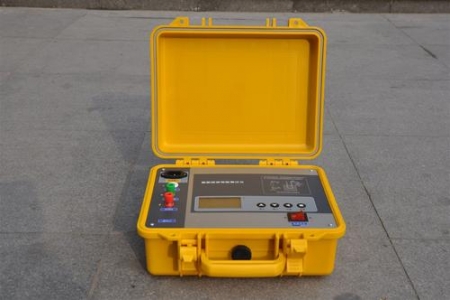
Selection: Choose high-quality Transformer Ratio Testers to ensure the accuracy and consistency of test results.
Calibration: Regularly calibrate testing equipment to ensure test precision.
3.3 Fault Diagnosis and Troubleshooting
Analysis: Once a ratio deviation exceeding the allowable range is found, the cause should be analyzed immediately.
Repair: Take corresponding repair measures based on analysis results, replacing components if necessary.
3.4 Training and Education
Training: Regularly provide relevant training on transformer ratio testing to technical personnel to improve their professional skills.
Guidance: Provide detailed testing operation guides to ensure standardized and efficient testing processes.
3.5 Data Management and Analysis
Storage: Properly store test data for subsequent analysis and comparison.
Analysis: Use data analysis tools to conduct in-depth analysis of test results, identifying potential trends and issues.
4. Practical Cases
Case 1: Substation Transformer Ratio Testing
Background: A substation planned annual maintenance, including transformer ratio testing.
Test Content: Conduct ratio testing on all main transformers and record test results.
Test Results: The ratio of one transformer was found to deviate slightly, confirmed after careful inspection to be an internal winding issue.
Handling Measures: The faulty component was replaced in a timely manner, avoiding possible system failure.
Case 2: Industrial User Transformer Maintenance
Background: A large industrial user conducted regular transformer maintenance within its factory.
Test Content: Used professional testers to conduct ratio testing on transformers and compare with historical data.
Test Results: The ratio of one transformer was found to gradually deviate over time but remained within the allowable range.
Handling Measures: Decided to increase monitoring frequency for that transformer and planned further inspection in the future.
5. Conclusion
Transformer ratio testing is one of the important measures to improve power system reliability. By implementing the above testing strategies, the condition of transformers can be effectively monitored and maintained, preventing the occurrence of potential faults and thus ensuring the stable operation of power systems. With technological advancement, future transformer ratio testing technologies and methods will become more advanced and efficient, better serving the continuous development of the power industry.
This article provides an overview of transformer ratio testing strategies to improve power system reliability. If you need more detailed technical documentation or other relevant information, please feel free to let us know.